

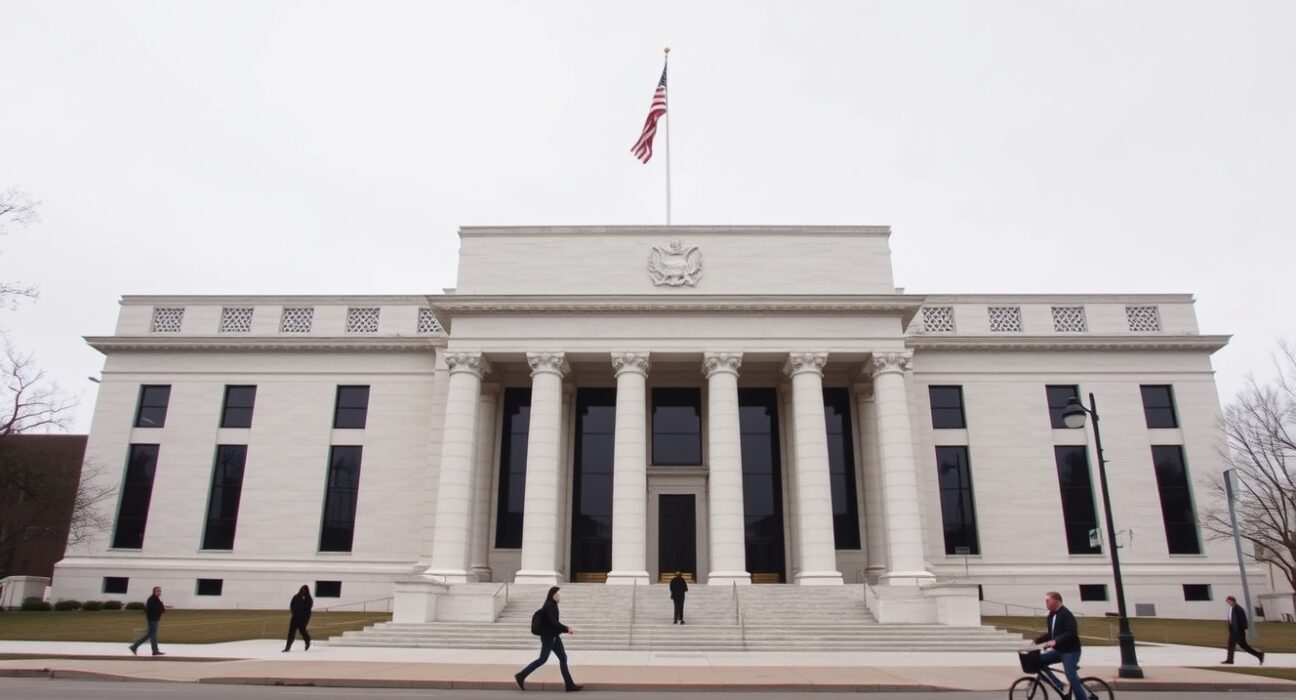
The Federal Reserve is recalibrating its policy priorities, with inflation once again taking center stage over labor market concerns, according to a new analysis from The Wall Street Journal’s Nick Timiraos. The reporter, widely regarded as the Fed whisperer for his accurate reads on central bank thinking, outlined how a combination of tariff policy and geopolitical instability in Iran is introducing fresh upward pressure on prices.
Why the labor market is no longer the primary concern
For much of the past year, Fed officials closely monitored the labor market for signs of cooling that could justify rate cuts. However, Timiraos noted that the latest non-farm payroll report for April showed solid metrics across employment, unemployment, and wage growth. These strong figures have weakened the argument for an imminent rate reduction, allowing policymakers to shift their attention back to price stability.
The labor market, he explained, has stabilized rather than deteriorated, reducing the urgency for accommodative monetary policy. This stabilization gives the Fed room to maintain its current restrictive stance while it assesses whether inflation will reaccelerate.
New inflation headwinds: tariffs and geopolitical risk
Two factors are now complicating the inflation outlook. First, the imposition of new tariffs on imported goods is raising costs for businesses and consumers, potentially feeding through to core inflation measures. Second, the ongoing conflict involving Iran introduces uncertainty in energy markets, with crude oil prices already reflecting heightened risk premiums.
Timiraos pointed out that these supply-side shocks are particularly challenging for the Fed because they cannot be addressed through interest rate policy alone. Higher tariffs and energy costs act as a tax on economic activity, pushing prices up while potentially dampening growth — a classic stagflationary signal that central bankers aim to avoid.
What this means for interest rate expectations
Markets have been pricing in the possibility of rate cuts later this year, but Timiraos’s analysis suggests the bar for such moves is now higher. The Fed is currently in a policy freeze, waiting for more data before adjusting rates. With the labor market holding firm and inflation risks tilted to the upside, the next move may be delayed further than previously anticipated.
Investors and economists should watch upcoming consumer price index (CPI) and producer price index (PPI) releases closely. These data points will be the key variables guiding the Fed’s next decision, as Timiraos emphasized.
Conclusion
The Federal Reserve’s policy focus has shifted back to inflation, driven by tariff policies and geopolitical tensions in Iran, while a resilient labor market reduces the urgency for rate cuts. As the central bank holds steady, inflation data will determine the path forward. For markets and households, this means interest rates are likely to remain higher for longer, with the next policy move dependent on how price pressures evolve in the coming months.
FAQs
Q1: Why is the Fed shifting focus back to inflation?
A: The labor market has stabilized with strong employment and wage data, reducing the need for rate cuts. Meanwhile, new tariffs and the conflict in Iran are creating upward pressure on prices, making inflation the primary risk again.
Q2: Will the Fed cut interest rates this year?
A: The likelihood has decreased. With a strong labor market and rising inflation risks, the Fed is maintaining a policy freeze. Rate cuts are unlikely unless inflation data shows a sustained decline.
Q3: How do tariffs and Iran affect inflation?
A: Tariffs raise the cost of imported goods, directly increasing consumer prices. The Iran conflict threatens energy supply, pushing up oil prices and raising costs across the economy. Both are supply-side shocks that the Fed cannot easily counteract.
Disclaimer: The information provided is not trading advice, Bitcoinworld.co.in holds no liability for any investments made based on the information provided on this page. We strongly recommend independent research and/or consultation with a qualified professional before making any investment decisions.
