

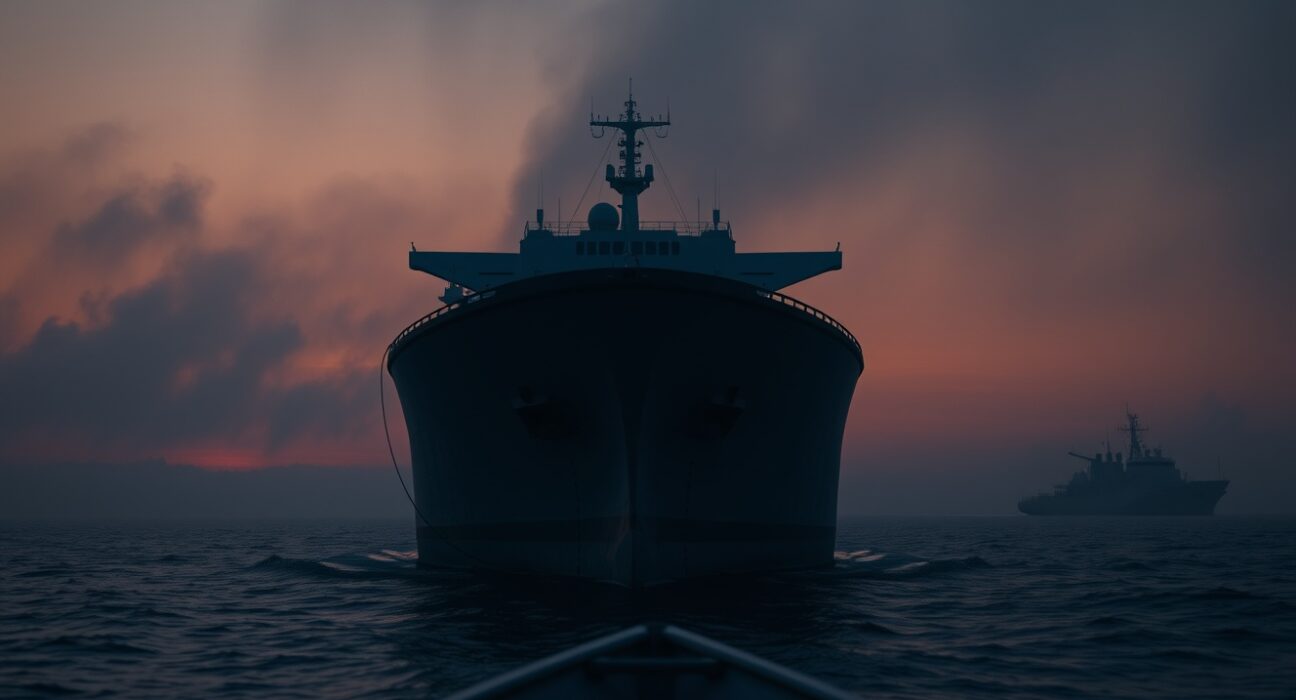
Unconfirmed reports emerging on [Date of report] indicate that the United States military has conducted strikes against oil tankers near the Strait of Hormuz, one of the world’s most critical maritime chokepoints. The operation, if confirmed, represents a significant escalation in the region and could have immediate repercussions for global energy markets and shipping security.
Context and Unfolding Situation
The Strait of Hormuz, a narrow waterway between Oman and Iran, sees the transit of approximately 20% of the world’s oil supply. Any military action in this area carries the risk of disrupting global supply chains and triggering price volatility. As of this report, official statements from the Pentagon or the US Central Command have not been released, and the details of the strikes—including the number of tankers hit, their nationalities, and the specific rationale—remain unclear.
Market and Geopolitical Implications
News of the strikes has already led to a sharp uptick in crude oil futures in early trading. Analysts are closely watching for retaliatory actions from regional actors, particularly Iran, which has previously threatened to close the strait in response to perceived aggression. The incident also raises questions about the safety of commercial shipping lanes and the potential for a broader conflict.
What This Means for Global Trade
For readers, the immediate impact will likely be felt at the pump. A sustained disruption in the Strait of Hormuz could lead to higher gasoline prices and increased costs for goods transported by sea. Shipping insurance premiums for vessels in the region are expected to rise sharply. The situation underscores the fragility of global energy infrastructure and the outsized influence of geopolitical events on everyday economics.
Conclusion
While the reports remain unconfirmed, the potential for a major disruption in the Strait of Hormuz is a serious development. This is a fast-moving story, and we will update this article as verified information becomes available. Readers are advised to rely on official sources for confirmation and to be cautious of speculative claims circulating on social media.
FAQs
Q1: What is the Strait of Hormuz and why is it important?
The Strait of Hormuz is a narrow waterway connecting the Persian Gulf with the Gulf of Oman. It is a critical chokepoint for global oil shipments, with about 20% of the world’s petroleum passing through it daily.
Q2: How could this affect oil prices?
Any disruption to shipping in the Strait of Hormuz typically causes oil prices to spike due to supply concerns. The extent of the impact depends on the duration of the disruption and the response from major oil producers.
Q3: What should I do if I am concerned about supply chain impacts?
Stay informed through reputable news sources. For businesses, reviewing supply chain resilience and considering alternative shipping routes or suppliers may be prudent, though such actions are speculative until the situation clarifies.
Disclaimer: The information provided is not trading advice, Bitcoinworld.co.in holds no liability for any investments made based on the information provided on this page. We strongly recommend independent research and/or consultation with a qualified professional before making any investment decisions.
