

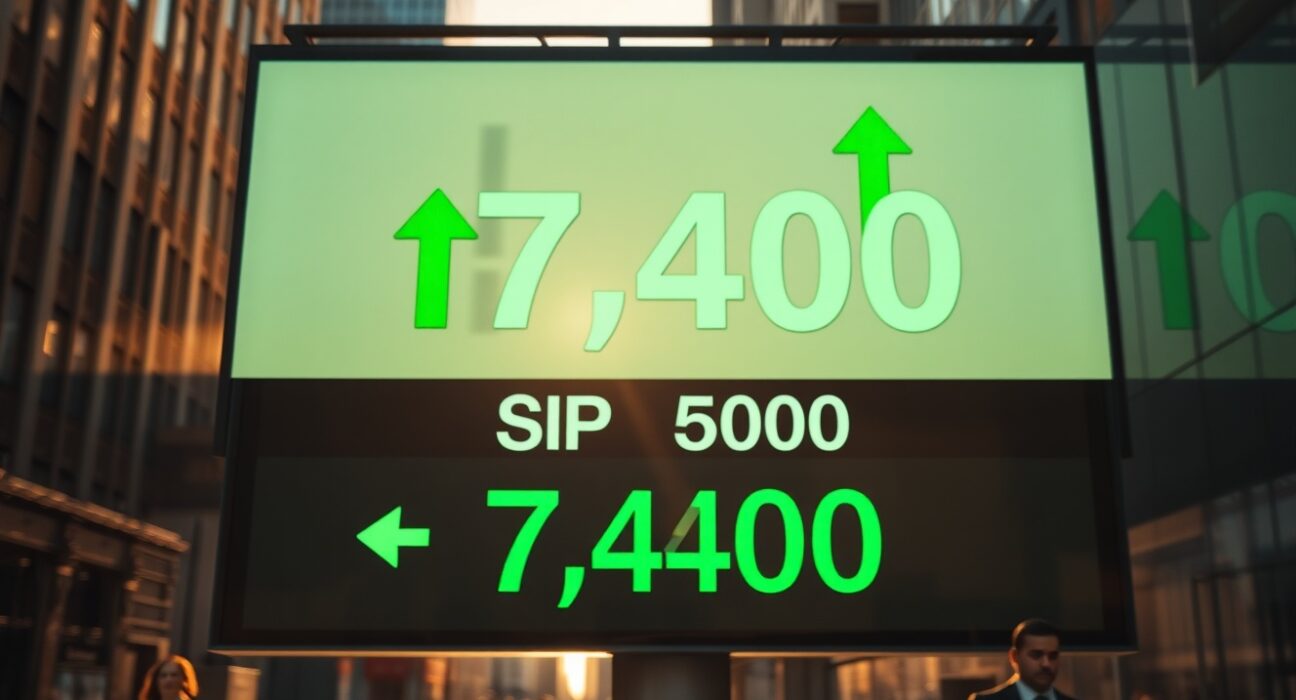
The S&P 500 index reached a new all-time high during trading on [current date], surpassing the 7,400 mark for the first time. The broad-market index extended its gains to 0.84% on the day, continuing a rally that has defied earlier expectations of a slowdown.
What Drove the Record-Breaking Rally
The latest leg of the S&P 500’s upward move comes amid a confluence of factors. Stronger-than-expected corporate earnings reports, particularly from the technology and financial sectors, have provided a fundamental tailwind. Additionally, recent economic data showing resilient consumer spending and a cooling but still robust labor market have eased recession fears that weighed on sentiment earlier in the year.
Investor optimism has also been bolstered by signals from the Federal Reserve that interest rate cuts may be on the horizon later in 2025, as inflation continues its gradual decline toward the central bank’s 2% target. Lower borrowing costs tend to support higher equity valuations, particularly for growth-oriented companies.
Context Behind the Milestone
Crossing the 7,400 threshold represents more than just a numerical milestone. The S&P 500 has now gained roughly [X]% since its most recent low in [month/year], underscoring the durability of the current bull market. However, some analysts caution that valuations are becoming stretched, with the index trading at a price-to-earnings ratio above its historical average.
Market breadth has also been a topic of debate. While the headline index has reached new highs, the advance has been concentrated in a relatively small number of mega-cap stocks, particularly those tied to artificial intelligence and cloud computing. The equal-weight version of the S&P 500, which gives each company the same influence regardless of size, has not kept pace, suggesting that the rally is not yet broad-based.
What This Means for Investors
For long-term investors, new all-time highs are historically common during bull markets. Since 1950, the S&P 500 has experienced more than 1,200 record closes. Data from financial research firms shows that investing during or shortly after a new high has generally produced positive returns over the following one- and three-year periods.
That said, current market conditions warrant a measured approach. Elevated valuations, geopolitical uncertainties, and the lagged effects of previous interest rate hikes remain risks. Diversification and a focus on quality companies with strong balance sheets remain prudent strategies.
Conclusion
The S&P 500’s climb past 7,400 reflects a market buoyed by solid earnings, easing monetary policy expectations, and resilient economic fundamentals. While the milestone is notable, investors should remain focused on their long-term objectives and maintain awareness of the risks that persist beneath the surface of the rally.
FAQs
Q1: What does the S&P 500 hitting 7,400 mean for the average investor?
A1: It signals continued market strength, but investors should avoid making impulsive decisions based on record highs. Historically, staying invested through highs and lows has been more effective than trying to time the market.
Q2: Is the stock market overvalued at current levels?
A2: Valuation metrics like the price-to-earnings ratio are above historical averages, suggesting some caution is warranted. However, valuations alone are not reliable timing tools, and markets can remain elevated for extended periods.
Q3: What sectors are leading the S&P 500 to new highs?
A3: Technology and financial sectors have been key drivers, along with select consumer discretionary stocks. The rally has been concentrated in larger companies, while smaller and mid-cap stocks have lagged.
Disclaimer: The information provided is not trading advice, Bitcoinworld.co.in holds no liability for any investments made based on the information provided on this page. We strongly recommend independent research and/or consultation with a qualified professional before making any investment decisions.
