

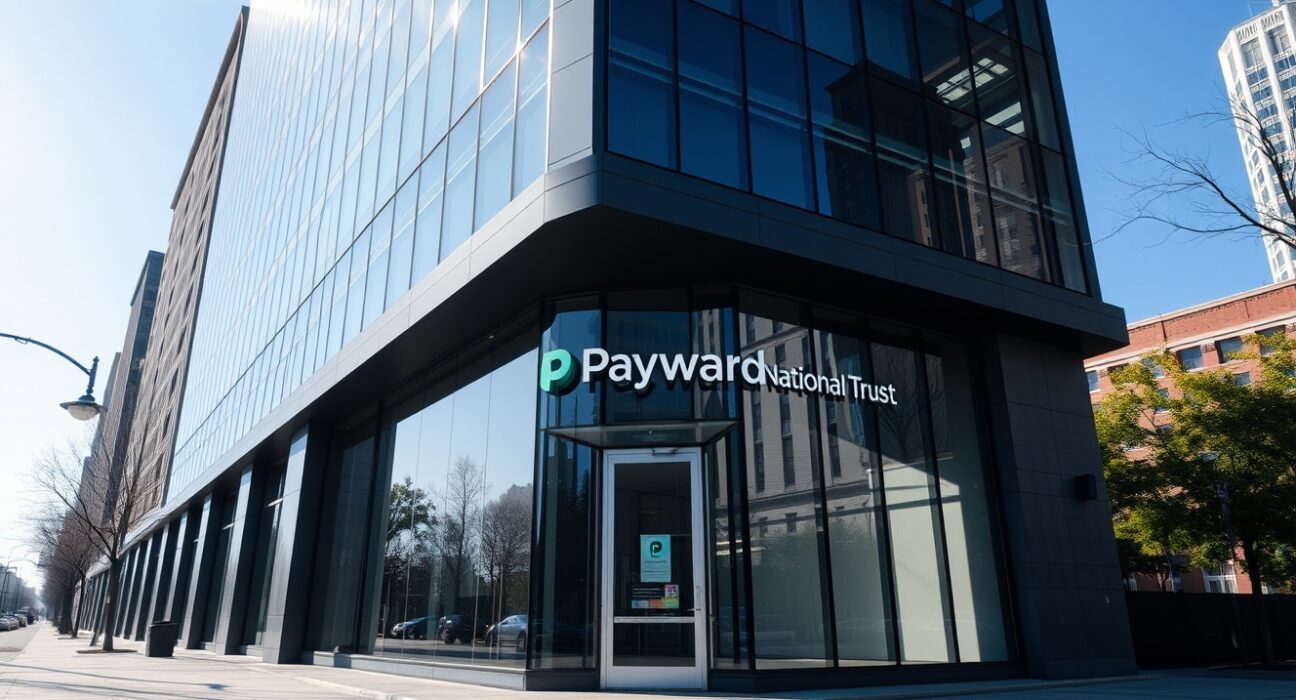
Payward, the parent company of the global cryptocurrency exchange Kraken, has formally applied to the U.S. Office of the Comptroller of the Currency (OCC) for a charter to establish a federal trust company. If approved, the new entity would be named Payward National Trust (PNTC) and would operate as a federally regulated trust bank, offering cryptocurrency custody and trust services to institutional investors.
A strategic push toward federal crypto banking
This application represents a significant escalation in Payward’s regulatory strategy. The company already holds a Special Purpose Depository Institution (SPDI) charter in Wyoming, a state-level framework designed for digital asset businesses. In addition, Payward secured a Federal Reserve master account earlier this year, a rare and hard-won privilege that allows direct access to the central banking system.
By seeking a national charter from the OCC, Payward aims to operate under a single federal regulatory umbrella rather than navigating a patchwork of state-level regulations. A national trust charter would place the institution under direct federal oversight, potentially streamlining compliance and offering a higher level of institutional confidence for large investors.
What the Payward National Trust would offer
According to the application, PNTC would focus on providing federal-level cryptocurrency custody and trust services. These services are critical for institutional investors such as pension funds, endowments, and asset managers who require a regulated and insured environment for holding digital assets. The move aligns with a broader trend of traditional financial institutions entering the digital asset space, as well as crypto-native firms seeking to formalize their regulatory standing.
Why this matters for the crypto industry
The OCC has historically been cautious about granting charters to crypto-related firms. The approval of Payward’s application would signal a significant shift in federal regulatory attitudes toward digital assets. It would also create a precedent for other major crypto exchanges and custodians to pursue similar federal charters, potentially accelerating the integration of cryptocurrency into the mainstream financial system.
For investors, a federally chartered trust bank offers a level of regulatory clarity and consumer protection that state-level licenses alone cannot provide. It could also reduce counterparty risk, a major concern following the collapses of several unregulated crypto firms in recent years.
Conclusion
Payward’s application to the OCC marks a pivotal moment in the evolution of cryptocurrency regulation in the United States. While the approval process is expected to be rigorous and lengthy, the outcome could reshape how institutional investors interact with digital assets. The move underscores a growing recognition that federal oversight is not a barrier to crypto innovation but a necessary foundation for long-term market stability and trust.
FAQs
Q1: What is a national trust bank charter?
A national trust bank charter is a federal license issued by the OCC that allows a company to operate as a trust bank under federal supervision. It enables the institution to offer custody, trust, and fiduciary services to clients, often with a focus on specialized assets like digital currencies.
Q2: How does this differ from Kraken’s existing Wyoming SPDI charter?
The Wyoming SPDI charter is a state-level license that allows Kraken to operate as a special-purpose depository institution under Wyoming law. A national trust charter from the OCC would provide federal oversight and potentially allow the company to operate more seamlessly across state lines, with a single set of federal regulations.
Q3: What services would Payward National Trust offer?
PNTC would focus on federal-level cryptocurrency custody and trust services for institutional investors. This includes secure storage of digital assets, estate planning services for crypto holdings, and fiduciary management of digital asset trusts.
Disclaimer: The information provided is not trading advice, Bitcoinworld.co.in holds no liability for any investments made based on the information provided on this page. We strongly recommend independent research and/or consultation with a qualified professional before making any investment decisions.
