

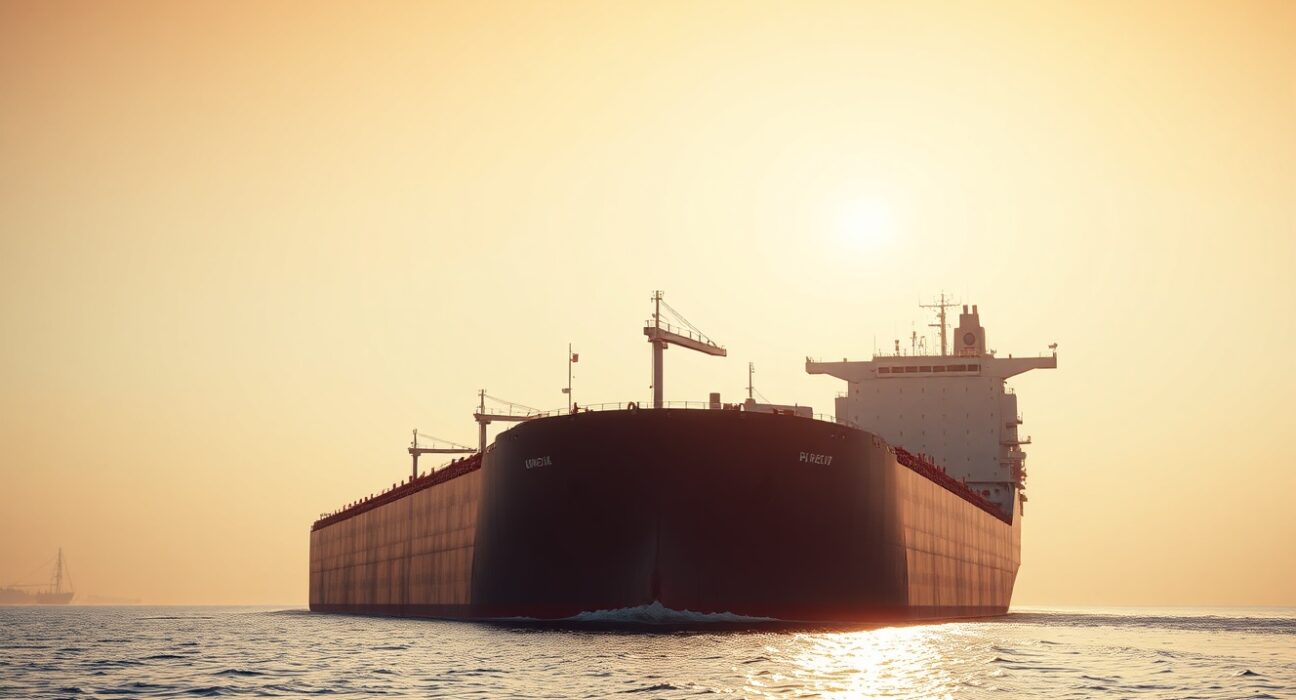
Oil prices staged a modest recovery in early Asian trading on Monday, but the bounce did little to erase the substantial weekly losses driven by escalating geopolitical risks surrounding the Strait of Hormuz. Analysts at United Overseas Bank (UOB) noted that while short-term volatility persists, the broader trend remains bearish as markets weigh supply disruption fears against weakening global demand.
Weekly Losses Mount Despite Intraday Recovery
Brent crude futures rose approximately 1.2% in early trade, recovering from a sharp selloff last week that saw the benchmark shed over 4%. The recovery was attributed to bargain buying and heightened anxiety over potential disruptions to tanker traffic through the Hormuz chokepoint, through which about 20% of the world’s oil passes. However, UOB analysts emphasized that the weekly loss trajectory remains intact, with prices still down more than 5% from the previous week’s close.
Hormuz Tensions: A Persistent Risk Factor
The Strait of Hormuz has once again become the focal point of geopolitical risk in oil markets. Recent incidents involving naval patrols and heightened rhetoric between regional powers have raised the specter of supply interruptions. While no major disruption has materialized, the uncertainty alone has been enough to inject volatility into pricing. UOB noted that traders are pricing in a risk premium, but the magnitude of the premium remains capped by a simultaneous deterioration in demand indicators from major economies.
What This Means for Markets and Consumers
For investors, the current environment demands a careful assessment of two opposing forces: supply risk from geopolitical flashpoints and demand weakness from slowing industrial activity. UOB suggests that unless a tangible supply outage occurs, the downward pressure from economic headwinds is likely to dominate. For consumers, any sustained rise in oil prices would eventually feed into higher fuel costs, though the current bounce appears insufficient to reverse the broader easing trend seen over the past month.
Conclusion
The oil market remains caught between geopolitical fear and economic reality. While tensions in the Strait of Hormuz provide a floor for prices, the absence of a physical supply disruption leaves crude vulnerable to further losses if demand data continues to soften. UOB’s analysis underscores the importance of monitoring both diplomatic developments and macroeconomic releases in the weeks ahead.
FAQs
Q1: Why did oil prices bounce despite weekly losses?
The bounce was driven by bargain buying and renewed anxiety over potential supply disruptions in the Strait of Hormuz, which briefly outweighed broader bearish sentiment.
Q2: How significant is the Strait of Hormuz for global oil markets?
Approximately 20% of the world’s oil passes through the Strait of Hormuz, making it the most critical chokepoint for crude shipments. Any disruption can have immediate and severe effects on global prices.
Q3: What is the outlook for oil prices according to UOB?
UOB expects continued volatility with a bearish bias, as demand concerns from slowing global growth are likely to outweigh supply risk premiums unless a physical disruption occurs.
Disclaimer: The information provided is not trading advice, Bitcoinworld.co.in holds no liability for any investments made based on the information provided on this page. We strongly recommend independent research and/or consultation with a qualified professional before making any investment decisions.
