

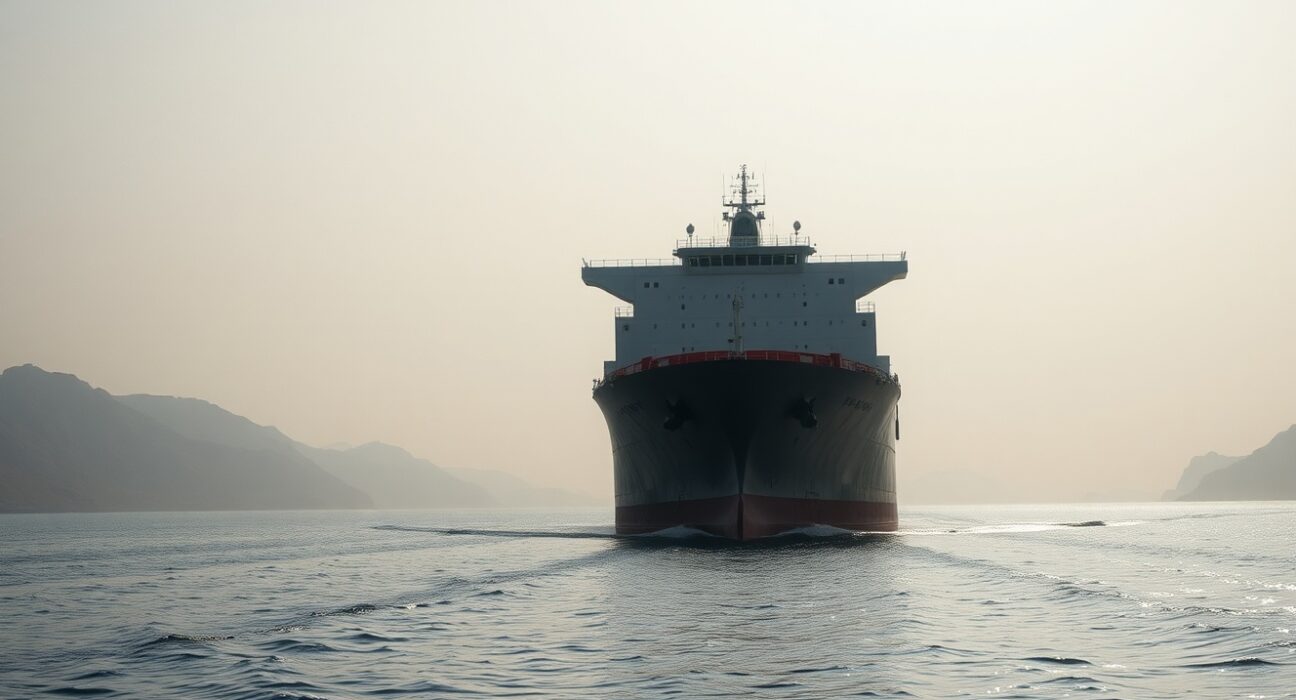
West Texas Intermediate (WTI) crude oil continued to trade above the $96 per barrel mark on Tuesday, as market expectations for a swift reopening of the Strait of Hormuz faded. The strategic waterway, through which roughly 20% of the world’s oil passes, has been at the center of heightened geopolitical tensions in recent weeks.
Why the Strait of Hormuz Matters
The Strait of Hormuz, located between Oman and Iran, is the world’s most important oil transit chokepoint. Any disruption to shipping through this narrow passage can have immediate and severe consequences for global crude supply. Recent diplomatic efforts to de-escalate tensions in the region have stalled, leaving traders to price in a prolonged period of risk. The lack of clear progress toward reopening the strait has been a primary driver behind the recent rally in oil futures.
Market Reaction and Price Levels
WTI crude futures briefly touched an intraday high of $96.40 before settling back near the $96 level. Brent crude, the international benchmark, also remained elevated above $100 per barrel. Analysts note that the market is now pricing in a ‘risk premium’ of several dollars per barrel, reflecting the uncertainty around supply routes. Trading volumes have been above average, indicating strong investor attention to the geopolitical narrative.
What This Means for Consumers and the Economy
Sustained oil prices above $95 per barrel have direct implications for global inflation. Higher crude costs translate into more expensive gasoline, diesel, and jet fuel, which can ripple through supply chains and consumer prices. For import-dependent nations, particularly in Asia and Europe, the strain on energy costs could slow economic recovery. Central banks, already grappling with inflation, may face additional pressure to adjust monetary policy.
Conclusion
The rally in WTI oil above $96 reflects a market bracing for a prolonged disruption to one of the world’s most critical energy arteries. Until concrete diplomatic progress is made, or alternative supply routes are confirmed, the risk premium is likely to remain embedded in crude prices. Traders and policymakers alike are watching the Strait of Hormuz closely, as the stakes for global energy security have rarely been higher.
FAQs
Q1: What is the Strait of Hormuz and why is it important for oil prices?
The Strait of Hormuz is a narrow waterway between Iran and Oman through which about one-fifth of the world’s oil passes. Any disruption to shipping there can cause global supply shortages and price spikes.
Q2: Why did hopes of reopening the Strait of Hormuz fade?
Recent diplomatic efforts to reduce tensions in the region have not produced tangible results. Without a clear agreement or confidence-building measures, markets have adjusted to the likelihood of continued disruption.
Q3: How does a rise in WTI oil prices affect everyday consumers?
Higher WTI prices lead to increased costs for gasoline, diesel, and heating oil. This can raise transportation and production costs, contributing to broader inflation and higher prices for goods and services.
Disclaimer: The information provided is not trading advice, Bitcoinworld.co.in holds no liability for any investments made based on the information provided on this page. We strongly recommend independent research and/or consultation with a qualified professional before making any investment decisions.
