

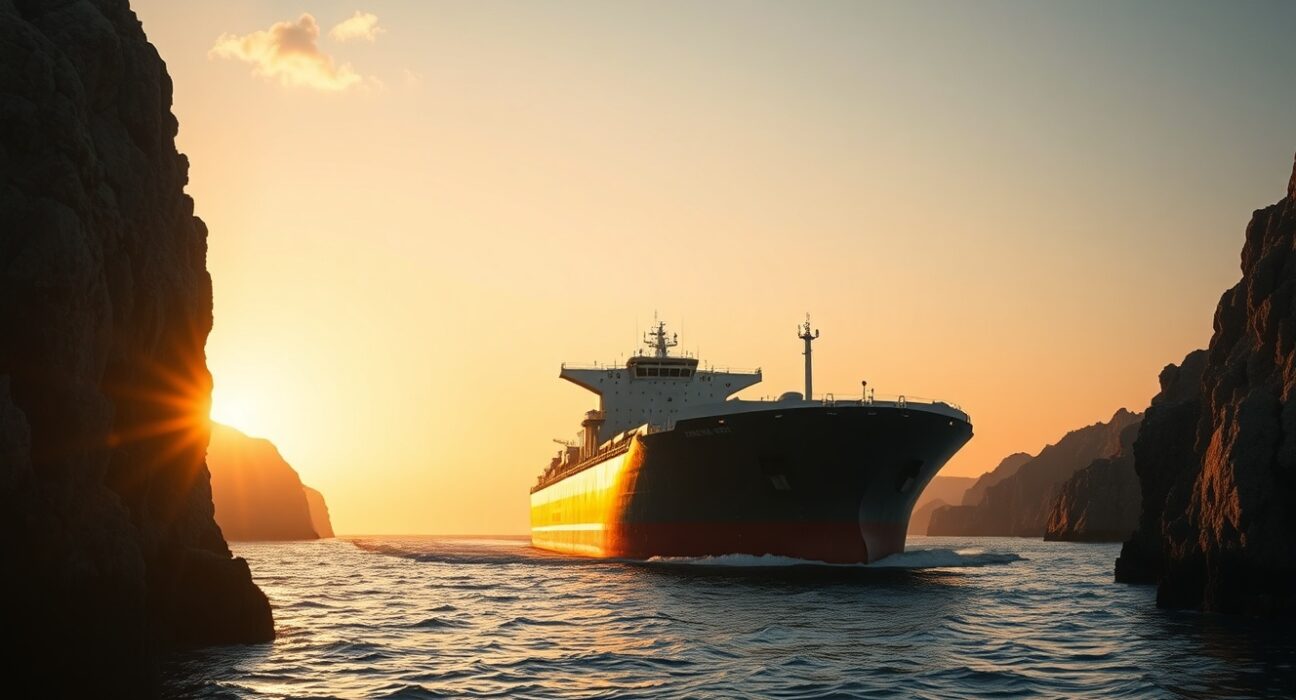
West Texas Intermediate (WTI) crude oil prices continue to find strong support this week, driven by escalating geopolitical tensions in the Strait of Hormuz and a tightening global supply outlook. The strategic waterway, through which roughly 20% of the world’s oil passes, has become a renewed flashpoint, pushing traders to price in a higher risk premium.
Geopolitical Premium Returns to Oil Markets
Recent naval incidents and heightened rhetoric between regional powers have raised concerns about potential disruptions to tanker traffic through the Hormuz chokepoint. While no formal blockade has been implemented, the mere threat of interference is enough to keep the market on edge. Historically, even brief disruptions in the strait have led to sharp, short-term price spikes in crude benchmarks.
Analysts at several major trading houses have noted that the current risk premium embedded in WTI futures is modest compared to past Hormuz crises, suggesting room for further upside if tensions escalate. However, the situation remains fluid, and diplomatic channels remain active, introducing uncertainty into the forecast.
Supply Side Tightens Further
Beyond geopolitics, the physical supply picture is also contributing to the bullish sentiment. OPEC+ production cuts, which have been extended through the first half of the year, are gradually drawing down global inventories. Data from the Energy Information Administration (EIA) shows U.S. crude stocks declining more than expected in recent weeks, while production growth has plateaued.
Additionally, sanctions enforcement on Iranian and Russian crude exports has tightened, reducing the availability of discounted barrels that had previously helped offset OPEC+ restraint. This combination of factors is creating a more constructive backdrop for WTI prices than many analysts had anticipated at the start of the quarter.
What This Means for Traders and Consumers
For short-term traders, the key risk is a sudden de-escalation that could unwind the geopolitical premium rapidly, potentially sending WTI back toward the $70 per barrel support level. Conversely, any confirmed disruption at Hormuz could drive prices above $85 in a matter of days.
For consumers, the outlook is less encouraging. Higher crude costs are already filtering through to retail gasoline prices in the United States, which have risen for three consecutive weeks. If the supply tightness persists, motorists could face elevated fuel costs heading into the summer driving season.
Conclusion
WTI crude oil prices are likely to remain underpinned in the near term by the dual forces of geopolitical risk in the Strait of Hormuz and a tightening physical supply balance. While the potential for a diplomatic resolution exists, the current market structure favors cautious bullish positioning. Traders should monitor headlines from the region closely, as the volatility regime is likely to persist.
FAQs
Q1: What is the Strait of Hormuz and why does it matter for oil prices?
The Strait of Hormuz is a narrow waterway between Oman and Iran through which about 20% of the world’s oil passes. Any threat to shipping there can cause oil prices to spike due to supply disruption fears.
Q2: How do OPEC+ production cuts affect WTI prices?
OPEC+ cuts reduce global oil supply, which tends to support or increase prices. Extended cuts have drawn down inventories, contributing to the current tightness in the market.
Q3: Is now a good time to buy WTI futures?
That depends on individual risk tolerance. The market is currently pricing in a geopolitical premium, which could unwind quickly if tensions ease. Traders should consider using stop-losses and staying informed on diplomatic developments.
Disclaimer: The information provided is not trading advice, Bitcoinworld.co.in holds no liability for any investments made based on the information provided on this page. We strongly recommend independent research and/or consultation with a qualified professional before making any investment decisions.
