

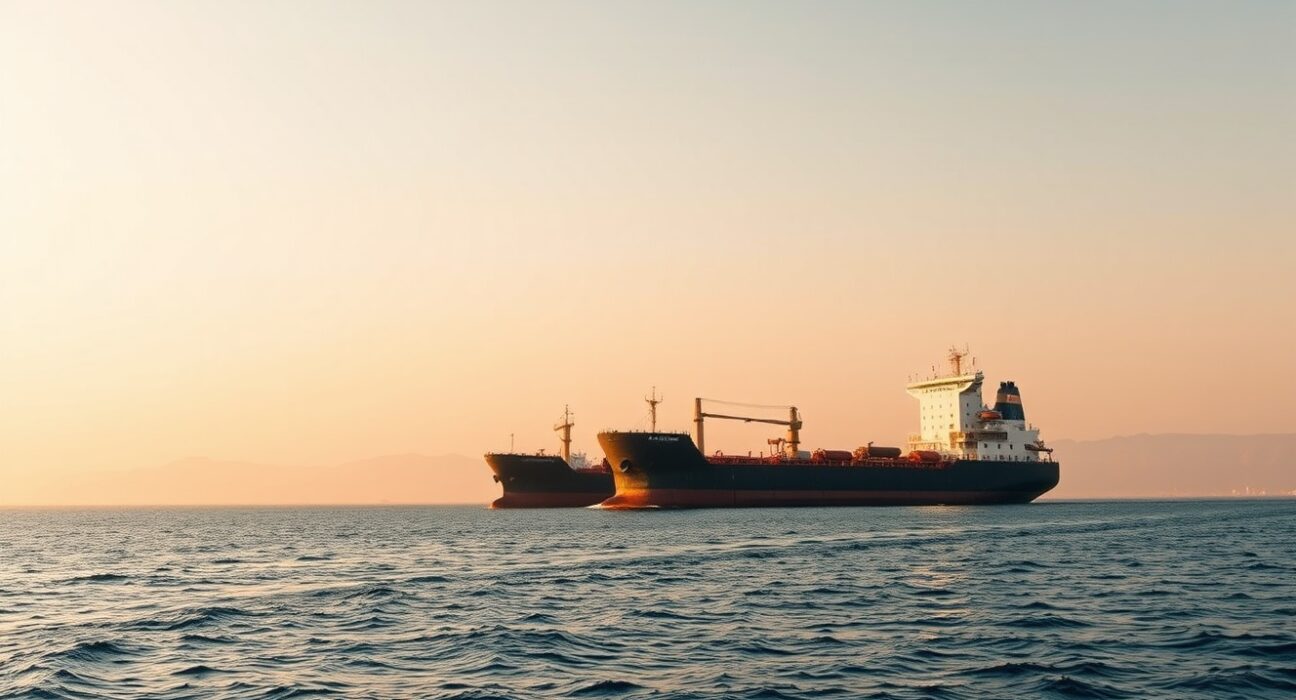
West Texas Intermediate (WTI) crude oil prices continued to fluctuate below the $100 per barrel mark on Wednesday, as stalled negotiations between the United States and Iran over Tehran’s nuclear program kept the threat of supply disruptions through the Strait of Hormuz alive. Market participants remain cautious, weighing the potential for renewed sanctions against the risk of a broader regional conflict that could choke off a critical chokepoint for global oil shipments.
Stalled talks revive geopolitical risk premium
Talks in Vienna aimed at reviving the 2015 Joint Comprehensive Plan of Action (JCPOA) have effectively stalled since late March, with both sides reporting no significant progress. The US has maintained its maximum pressure campaign, while Iran has continued to enrich uranium beyond agreed limits. This impasse has renewed fears that Iran could retaliate by disrupting shipping through the Strait of Hormuz, a narrow waterway that handles about one-fifth of the world’s petroleum consumption.
Analysts note that even the perception of a potential blockade is enough to inject a significant risk premium into crude prices. The last major disruption in the strait, in 2019, saw oil prices spike by more than 15% within weeks. While no direct military confrontation has occurred, the continued diplomatic deadlock keeps the market on edge.
Supply fundamentals versus geopolitical noise
Despite the geopolitical tensions, physical supply conditions have not tightened dramatically. OPEC+ continues to gradually unwind production cuts, and US shale output has edged higher. However, the market is acutely sensitive to any news that could tip the balance from a modest surplus into a deficit. The International Energy Agency (IEA) has warned that any prolonged disruption to Hormuz traffic could quickly deplete global strategic reserves.
On the demand side, fears of a global economic slowdown have capped gains. Manufacturing data from China and Europe have shown contraction, while the US Federal Reserve’s hawkish stance continues to strengthen the dollar, making dollar-denominated oil more expensive for holders of other currencies.
What this means for consumers and markets
For end users, sustained WTI prices near $100 translate into higher gasoline and diesel costs, which feed into broader inflationary pressures. For investors, the current environment demands a careful assessment of tail risks. The market is pricing in a moderate probability of a supply shock, but a diplomatic breakthrough—however unlikely in the near term—could quickly erase the risk premium and send prices lower.
Traders are also watching for any signs that the US may release additional barrels from the Strategic Petroleum Reserve (SPR) to cool prices, a move that has been used twice in the past year.
Conclusion
WTI crude’s fluctuation below $100 reflects a market caught between genuine geopolitical risk and underlying supply-demand fundamentals. The stalled US-Iran talks keep the Strait of Hormuz supply fear alive, but without a tangible disruption, prices are likely to remain range-bound. Any shift in diplomatic momentum or a concrete security incident could break the current stalemate. For now, the market remains in a state of cautious watchfulness.
FAQs
Q1: Why is the Strait of Hormuz important for oil prices?
The Strait of Hormuz is a narrow passage between the Persian Gulf and the Gulf of Oman, through which approximately 20 million barrels of oil pass daily—roughly 20% of global consumption. Any disruption there can directly impact global supply and prices.
Q2: How do stalled US-Iran talks affect oil supply?
Stalled talks mean no agreement on Iran’s nuclear program, keeping US sanctions on Iranian oil exports in place. This reduces global supply and raises the risk that Iran might retaliate by threatening shipping through the Strait of Hormuz.
Q3: Could WTI go back above $100?
Yes, if geopolitical tensions escalate—such as a confirmed attack on tankers or a blockade announcement—WTI could quickly break above $100. Conversely, a diplomatic breakthrough could send prices sharply lower.
Disclaimer: The information provided is not trading advice, Bitcoinworld.co.in holds no liability for any investments made based on the information provided on this page. We strongly recommend independent research and/or consultation with a qualified professional before making any investment decisions.
