

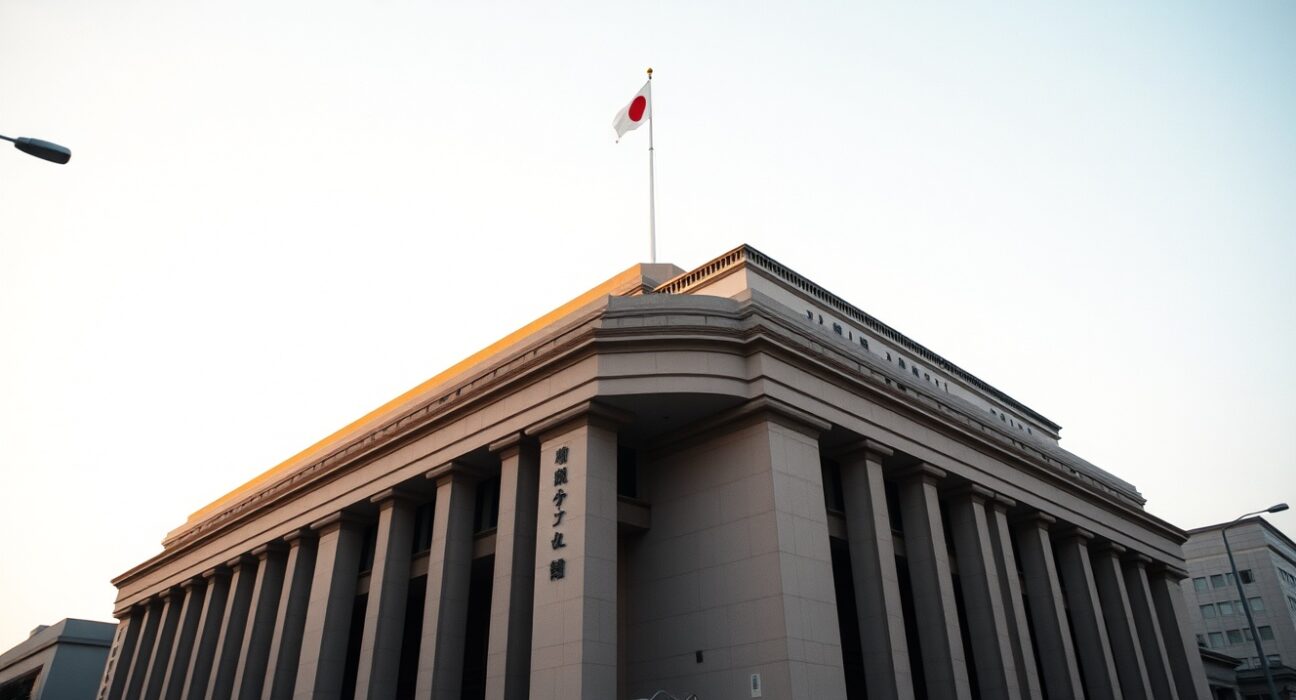
Japan’s government is considering an extra budget for fiscal year 2026 to mitigate the economic strain from rising oil prices, according to a report from Kyodo News. The move underscores Tokyo’s efforts to shield households and businesses from sustained energy cost pressures amid global market volatility.
Background and Rationale
The potential supplementary budget follows a period of elevated crude oil prices, driven by geopolitical tensions and supply constraints. Japan, a major energy importer, has faced increased costs for fuel, electricity, and raw materials, which have contributed to inflationary pressures. The government previously implemented subsidies and price cap programs, but the new budget proposal suggests a more structural approach to fiscal support in the upcoming fiscal year.
Scope and Implications
Details of the extra budget remain under discussion, but analysts expect it to include extended subsidies for gasoline, kerosene, and electricity bills, as well as support for industries heavily reliant on energy. The government is also likely to consider measures to bolster energy efficiency and renewable energy investments as a long-term strategy to reduce dependence on imported fossil fuels. The budget’s approval would require parliamentary debate and could influence Japan’s overall fiscal stance, including its debt management strategy.
Impact on Consumers and Businesses
For Japanese households, the extra budget could provide relief from higher utility bills and transportation costs. Small and medium-sized enterprises, which are particularly sensitive to energy price fluctuations, may also benefit from targeted assistance. However, the effectiveness of such measures depends on global oil price trends and the speed of policy implementation.
Conclusion
Japan’s deliberation over an extra budget for FY 2026 reflects the persistent challenge of energy price volatility in a resource-constrained economy. While the move signals proactive fiscal management, its success will hinge on global market conditions and domestic political consensus. The decision is expected to be finalized in the coming months as the government finalizes its fiscal year planning.
FAQs
Q1: Why is Japan considering an extra budget for FY 2026?
The government aims to ease the financial burden on consumers and businesses caused by high oil prices, which have increased energy and living costs.
Q2: What measures might the extra budget include?
Possible measures include extended subsidies for gasoline, kerosene, and electricity, as well as support for energy-intensive industries and investments in renewable energy.
Q3: How would this budget affect Japan’s national debt?
Japan already has a high public debt-to-GDP ratio. The extra budget would increase short-term borrowing, but the government may offset this through reallocations or future revenue growth from economic stabilization.
Disclaimer: The information provided is not trading advice, Bitcoinworld.co.in holds no liability for any investments made based on the information provided on this page. We strongly recommend independent research and/or consultation with a qualified professional before making any investment decisions.
