

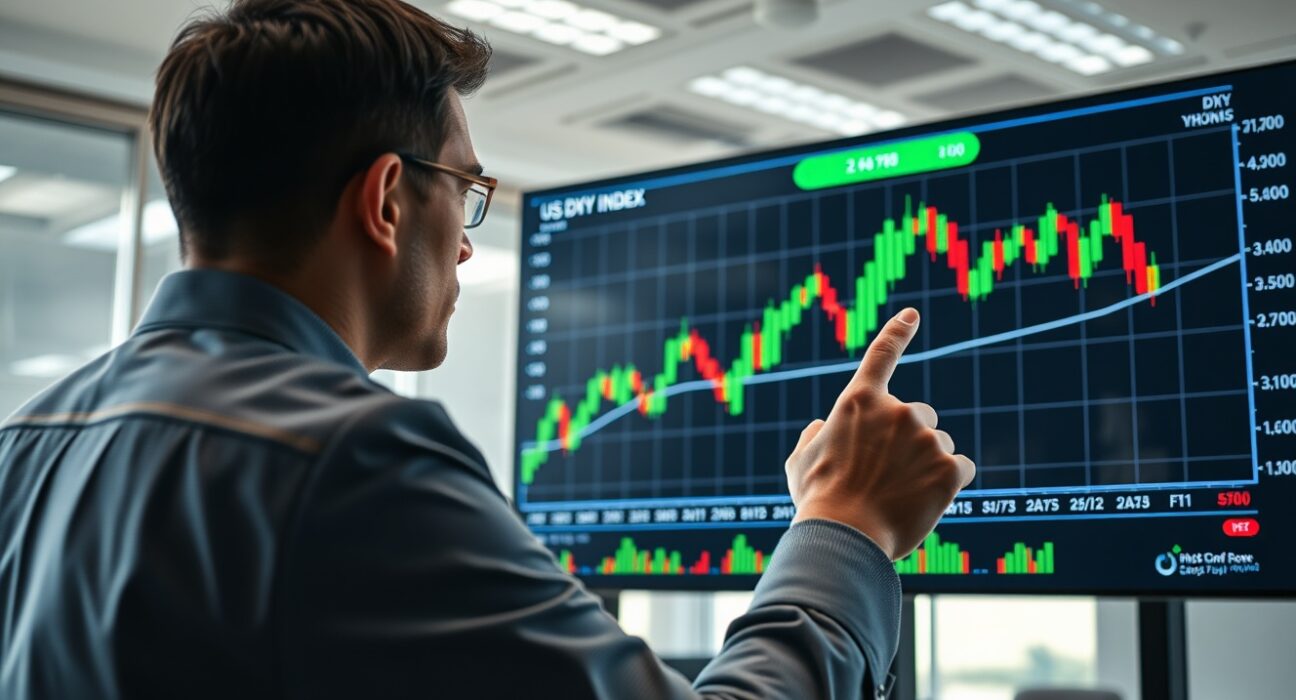
The US Dollar Index (DXY) is positioned for additional upside, supported by favorable interest rate differentials, according to analysts at Societe Generale. The French investment bank’s latest assessment points to a continued advantage for the greenback as the Federal Reserve maintains a relatively hawkish stance compared to other major central banks.
Rate Differentials Remain a Key Driver
Societe Generale’s analysis highlights that the yield gap between US Treasuries and other developed-market government bonds continues to underpin the dollar. While the Fed has signaled potential rate cuts later this year, the pace and magnitude of easing are expected to lag behind the European Central Bank and the Bank of England. This divergence keeps the dollar attractive for carry trades and portfolio inflows.
The DXY, which measures the dollar against a basket of six major currencies including the euro, yen, and pound, has already shown resilience in recent trading sessions. Societe Generale strategists note that the index has held above key technical support levels, reinforcing the bullish outlook.
Technical Levels to Watch
From a chart perspective, the DXY is approaching resistance near the 105.50–106.00 zone, a level that previously acted as a ceiling. A decisive break above this range could open the door to a test of the 107.00 handle, last seen in late 2023. On the downside, support is seen around 104.00, with a deeper floor near 103.50.
Societe Generale advises that while the fundamental backdrop remains supportive, traders should monitor upcoming US inflation data and Fed commentary for near-term catalysts. Any surprises in the data could alter the rate path and, consequently, the dollar’s trajectory.
Market Implications
For forex traders, a stronger dollar typically pressures emerging-market currencies and commodities priced in USD, such as gold and oil. It also affects corporate earnings for multinational companies with significant overseas revenue. The Societe Generale call aligns with a broader consensus among investment banks that the dollar will remain bid in the first half of 2025 before potentially weakening later in the year as rate cuts materialize.
Investors are advised to weigh these macro factors against their own risk tolerance and portfolio objectives. Currency markets remain sensitive to geopolitical developments and shifts in risk sentiment, which can override rate differentials in the short term.
Conclusion
Societe Generale’s analysis provides a clear, data-driven case for further US Dollar Index gains, rooted in interest rate differentials and technical chart patterns. While risks remain, particularly around the timing of Fed easing, the current setup favors the dollar. Traders and investors should watch key economic releases and central bank communications for confirmation or reversal signals.
FAQs
Q1: What is the US Dollar Index (DXY)?
The US Dollar Index (DXY) measures the value of the US dollar relative to a basket of six major foreign currencies: the euro, Japanese yen, British pound, Canadian dollar, Swedish krona, and Swiss franc. It is a widely used benchmark for the dollar’s overall strength.
Q2: How do interest rate differentials affect the dollar?
Interest rate differentials refer to the difference in interest rates between two countries. When US interest rates are higher or expected to remain higher than those in other countries, global investors often buy US assets for better returns, increasing demand for the dollar and pushing its value higher.
Q3: What could reverse the dollar’s current uptrend?
A faster-than-expected rate cut by the Federal Reserve, weaker US economic data, a sudden risk-on shift in global markets, or geopolitical developments that reduce the dollar’s safe-haven appeal could all reverse the current uptrend. Traders should watch CPI, employment reports, and Fed meeting minutes closely.
Disclaimer: The information provided is not trading advice, Bitcoinworld.co.in holds no liability for any investments made based on the information provided on this page. We strongly recommend independent research and/or consultation with a qualified professional before making any investment decisions.
