

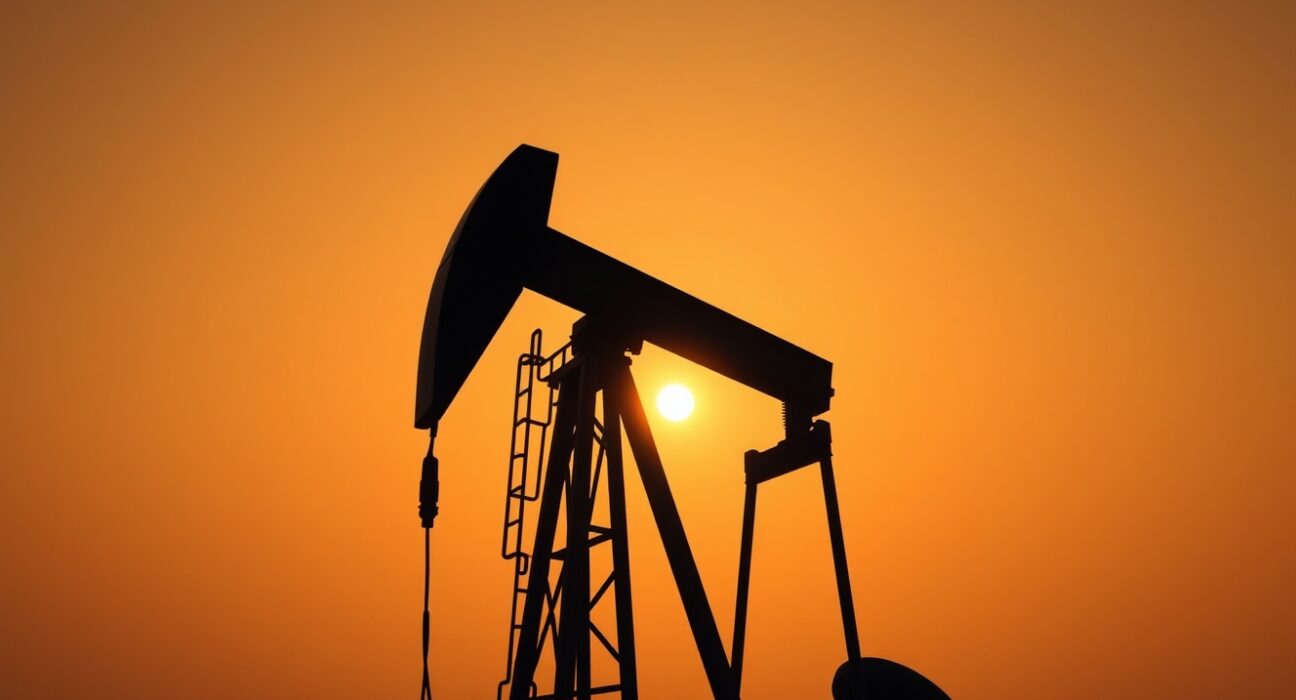
West Texas Intermediate crude oil futures surged past the $107 per barrel mark on Monday, extending a rally fueled by escalating geopolitical risks after former President Donald Trump publicly threatened military strikes against Iran. The sharp move higher reflects growing market anxiety over potential disruptions to global oil supply from one of the world’s most strategically important producing regions.
Geopolitical Trigger: Trump’s Iran Warning
Over the weekend, Trump stated in a televised interview that he would consider direct military action against Iran if the country continued to advance its nuclear program and threaten regional stability. While no specific operational details were provided, the mere suggestion of U.S. military engagement in the Persian Gulf sent shockwaves through energy markets. Traders immediately priced in a higher risk premium, pushing WTI crude above the psychologically important $107 level for the first time in several weeks.
The Strait of Hormuz, a narrow waterway between Iran and Oman, remains a critical chokepoint for global oil shipments. Approximately 20% of the world’s petroleum passes through this strait daily. Any military confrontation in the region raises the real possibility of supply disruptions, whether through direct attacks on tankers, mining of waterways, or Iranian retaliation against neighboring oil infrastructure.
Market Reaction and Technical Outlook
From a technical perspective, WTI’s break above $107 is significant. The level had previously acted as resistance during the early part of the year. With momentum indicators turning bullish and trading volumes rising sharply, analysts suggest further upside is possible in the near term. The next major resistance zone lies near $110, with some traders eyeing $115 if tensions continue to escalate.
However, the rally is not without risks. The market remains sensitive to any signs of de-escalation. A diplomatic breakthrough or a clear statement from the Trump camp walking back the military rhetoric could trigger a sharp reversal. Additionally, demand-side concerns persist, with global economic growth slowing and China’s recovery uneven. These factors could cap gains if the geopolitical premium fades.
What This Means for Consumers and Investors
For consumers, rising crude prices translate directly into higher gasoline and heating oil costs. A sustained move above $107 could push U.S. average gasoline prices above $4 per gallon nationally, adding inflationary pressure at a time when household budgets are already stretched. For investors, energy stocks and ETFs tied to oil producers may benefit in the short term, but volatility remains exceptionally high. Options pricing suggests traders expect daily swings of 3% to 5% in WTI futures over the coming week.
The broader macroeconomic implications are also significant. Central banks, including the Federal Reserve, watch energy prices closely when setting monetary policy. A sustained oil price spike could complicate efforts to bring inflation down, potentially delaying interest rate cuts that markets have been anticipating.
Conclusion
WTI crude oil’s rally above $107 is driven primarily by geopolitical risk rather than fundamental supply-demand imbalances. While further gains are possible if tensions with Iran intensify, the market remains vulnerable to sudden reversals on any signs of diplomatic progress. Traders and consumers alike should brace for continued volatility as the situation develops. The key question now is whether the current risk premium becomes embedded in prices or dissipates as quickly as it appeared.
FAQs
Q1: Why did WTI crude oil prices jump above $107?
The price surge was triggered by former President Trump’s threat of military strikes against Iran, raising fears of supply disruptions from the Middle East, particularly through the Strait of Hormuz.
Q2: What is the next resistance level for WTI?
After breaking above $107, the next major resistance zone is around $110, with potential for a move toward $115 if geopolitical tensions escalate further.
Q3: How could this affect gasoline prices?
If WTI remains above $107, U.S. average gasoline prices could rise above $4 per gallon, increasing costs for consumers and adding to inflationary pressures.
Disclaimer: The information provided is not trading advice, Bitcoinworld.co.in holds no liability for any investments made based on the information provided on this page. We strongly recommend independent research and/or consultation with a qualified professional before making any investment decisions.
