

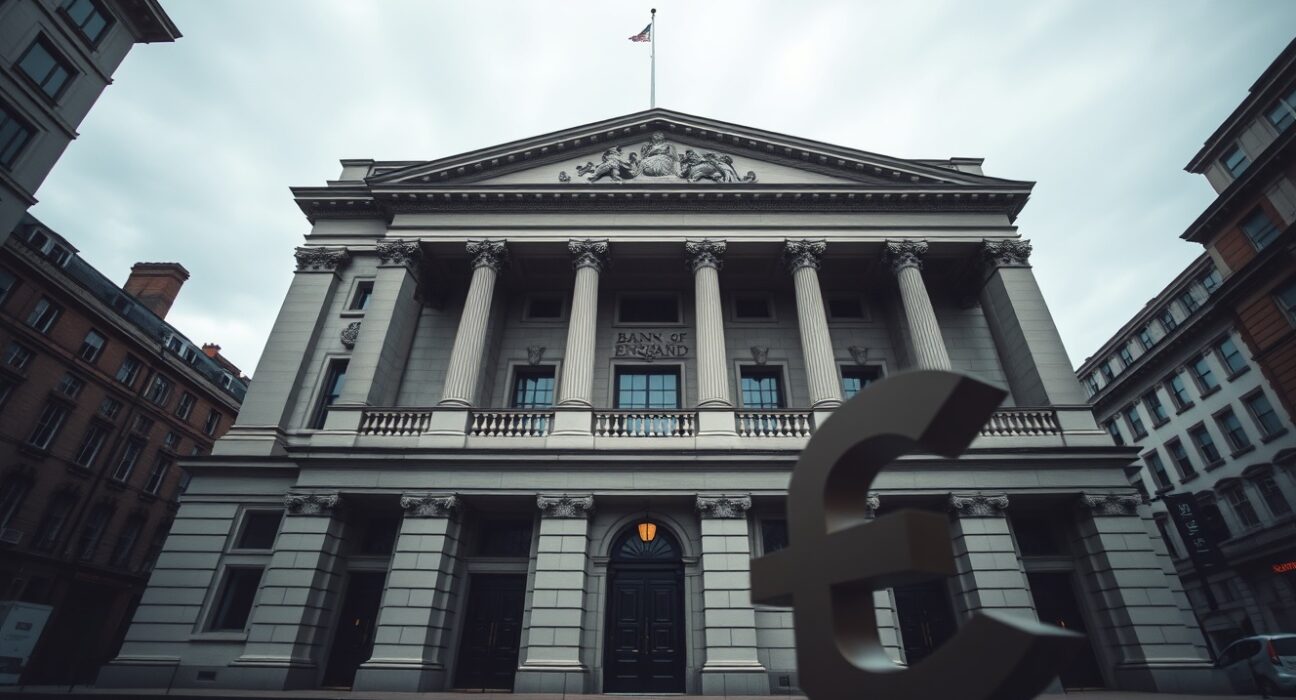
The British pound steadied against major currencies on Wednesday, as fresh data showing a modest cooling in UK inflation tempered market expectations for further aggressive interest rate hikes from the Bank of England. Sterling traded near $1.27 against the US dollar and held above €0.86 against the euro, as investors reassessed the pace of monetary tightening in the months ahead.
UK Inflation Data Shows Signs of Easing
According to the Office for National Statistics, the Consumer Prices Index rose by 3.4% in the 12 months to February, down from 4.0% in January and slightly below the 3.5% forecast by economists. Core inflation, which excludes volatile energy and food prices, also eased to 4.5% from 5.1%. The decline was driven primarily by lower food and non-alcoholic beverage prices, alongside a slowdown in housing and household services costs.
The data marks the first significant step toward the Bank of England’s 2% target after a prolonged period of elevated price pressures. While inflation remains above the central bank’s comfort zone, the downward trajectory provides some relief for policymakers and households alike.
Market Reaction and Rate Hike Expectations
Following the release, money markets trimmed bets on another rate increase at the Bank of England’s next meeting in May. The probability of a quarter-point hike fell from roughly 70% to around 50%, according to swaps pricing. The central bank has raised interest rates 14 times since December 2021, taking the benchmark rate to 5.25%, its highest level in 16 years.
The pound initially dipped on the news but quickly recovered, reflecting a broader reassessment of the rate outlook. Traders now see a roughly 60% chance that the next move will be a cut, potentially as early as August, should inflation continue to ease as expected.
What This Means for Sterling and the Economy
A slower pace of rate hikes typically weighs on a currency, as lower yields reduce its appeal to foreign investors. However, the pound’s resilience suggests that markets are also factoring in improved economic growth prospects and a potential soft landing for the UK economy. The IMF recently upgraded its UK growth forecast for 2024, projecting 0.6% expansion, up from an earlier estimate of 0.4%.
For consumers and businesses, the cooling inflation data offers some respite. Mortgage rates, which had risen sharply in response to previous rate hikes, may begin to stabilize. Lower inflation also supports real wages, which have been rising in recent months after a prolonged period of decline.
Broader Context and Expert Views
Economists at major investment banks remain cautious. While the trend is encouraging, services inflation—a key measure of domestic price pressures—remains sticky at 5.3%. The Bank of England has emphasized that it needs to see sustained evidence of inflation returning to target before considering rate cuts.
Samuel Tombs, chief UK economist at Pantheon Macroeconomics, noted: “The February CPI data is a welcome step in the right direction, but the Bank will want to see more progress on services inflation before it signals a pivot. We expect the first rate cut in August.”
Geopolitical risks, including tensions in the Middle East and potential supply chain disruptions, could also reignite inflationary pressures. The pound’s near-term trajectory will depend heavily on upcoming data releases, including GDP figures and labor market reports.
Conclusion
The pound’s stability in the face of cooling inflation reflects a market that is cautiously optimistic about the UK’s economic outlook. While the immediate pressure for further rate hikes has eased, the Bank of England remains vigilant. For now, sterling appears to be in a holding pattern, with investors awaiting clearer signals on the timing and pace of monetary easing later this year.
FAQs
Q1: Why did the pound stay stable after inflation cooled?
Investors had already priced in some slowing of inflation, and the data reinforced expectations that the Bank of England may not need to raise rates further. This stability also reflects improved economic growth forecasts and reduced recession fears.
Q2: Will the Bank of England cut interest rates soon?
Markets currently see a roughly 60% chance of a rate cut by August, but the Bank has signaled it needs more evidence that inflation is sustainably returning to its 2% target before making a move.
Q3: How does UK inflation affect the pound?
Higher inflation typically leads to expectations of tighter monetary policy, which can boost a currency by attracting foreign capital. Conversely, cooling inflation reduces the likelihood of rate hikes, which can weigh on the currency—unless accompanied by stronger economic growth prospects.
Disclaimer: The information provided is not trading advice, Bitcoinworld.co.in holds no liability for any investments made based on the information provided on this page. We strongly recommend independent research and/or consultation with a qualified professional before making any investment decisions.
