

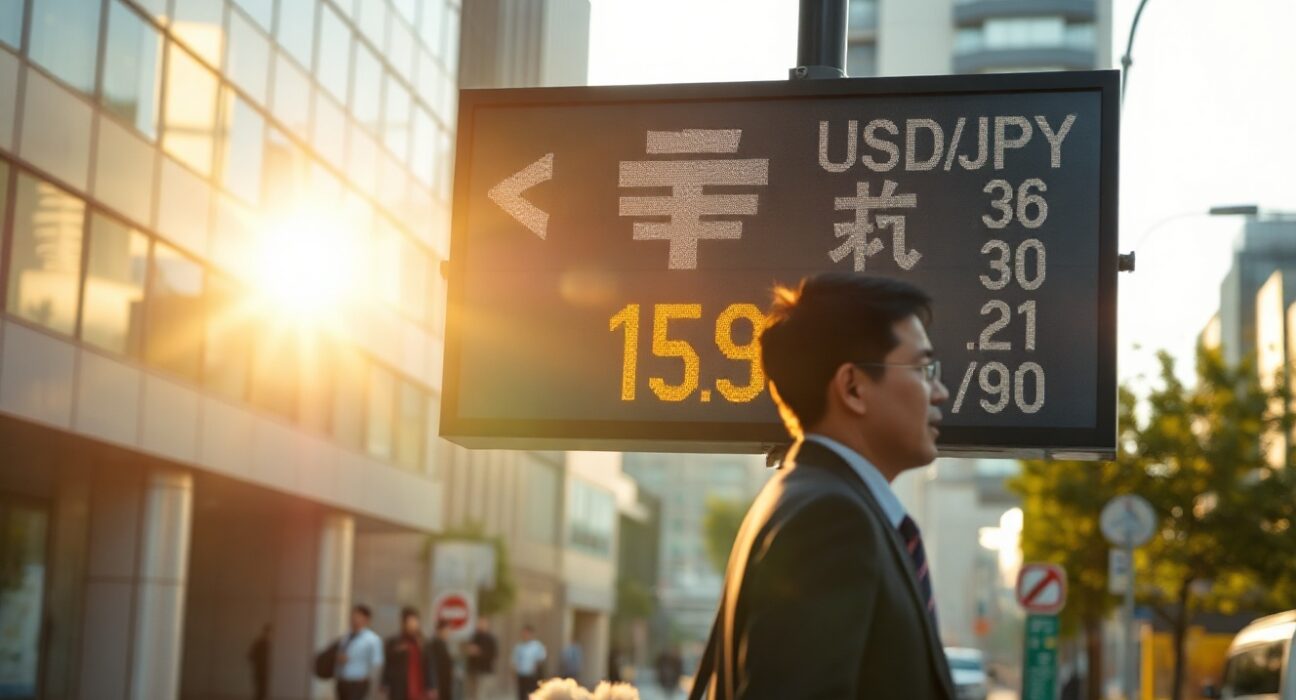
The Japanese yen strengthened against the US dollar on Tuesday, trading near the 159.00 mark, as reports of progress in peace negotiations between the United States and Iran reduced demand for safe-haven currencies. The move reflects a broader shift in market sentiment, with investors rotating out of defensive assets and into riskier positions.
Geopolitical Developments Drive Currency Flows
According to diplomatic sources, indirect talks between US and Iranian officials have advanced on key issues, including nuclear enrichment limits and sanctions relief. While no formal agreement has been announced, the positive tone has encouraged currency traders to reduce their exposure to traditional safe havens like the yen. The dollar, which had been supported by geopolitical uncertainty earlier in the month, has given back some gains as the prospect of de-escalation improves the outlook for global trade and energy markets.
Market Implications and Investor Response
The yen’s appreciation comes despite a broadly stronger dollar index. Analysts note that the currency pair is reacting more to shifting risk appetite than to changes in monetary policy. The Bank of Japan’s recent decision to maintain ultra-low interest rates continues to weigh on the yen over the long term, but short-term movements remain sensitive to geopolitical headlines. Traders are now watching for any official statements from Washington or Tehran that could confirm or refute the reported progress.
What This Means for Traders
For retail and institutional investors, the yen’s move highlights the importance of monitoring geopolitical risk in currency markets. A sustained peace breakthrough could further weaken safe-haven demand, potentially pushing USD/JPY lower. Conversely, any breakdown in talks could quickly reverse the trend, sending the yen back toward 160.00 or higher. Position sizing and stop-loss management remain critical in this environment.
Conclusion
The yen’s rise to near 159.00 against the dollar reflects growing optimism over US-Iran peace progress. While the move is modest, it signals a shift in market sentiment that could have broader implications for currency and commodity markets in the coming weeks. Investors should remain attentive to official confirmations and further diplomatic developments.
FAQs
Q1: Why does the yen strengthen when geopolitical tensions ease?
The yen is considered a safe-haven currency. When geopolitical risks decline, investors sell safe-haven assets and buy riskier ones, reducing demand for the yen and causing its value to rise relative to other currencies.
Q2: What level is significant for USD/JPY right now?
The 159.00 level is currently a key psychological and technical support zone. A break below could open the door to 158.50 or lower, while a rebound above 160.00 would signal renewed dollar strength.
Q3: How do US-Iran talks affect currency markets?
Progress in US-Iran talks reduces the risk of conflict in the Middle East, which can lower oil prices and boost global risk appetite. This tends to weaken safe-haven currencies like the yen and the Swiss franc while supporting higher-yielding currencies and equities.
Disclaimer: The information provided is not trading advice, Bitcoinworld.co.in holds no liability for any investments made based on the information provided on this page. We strongly recommend independent research and/or consultation with a qualified professional before making any investment decisions.
