

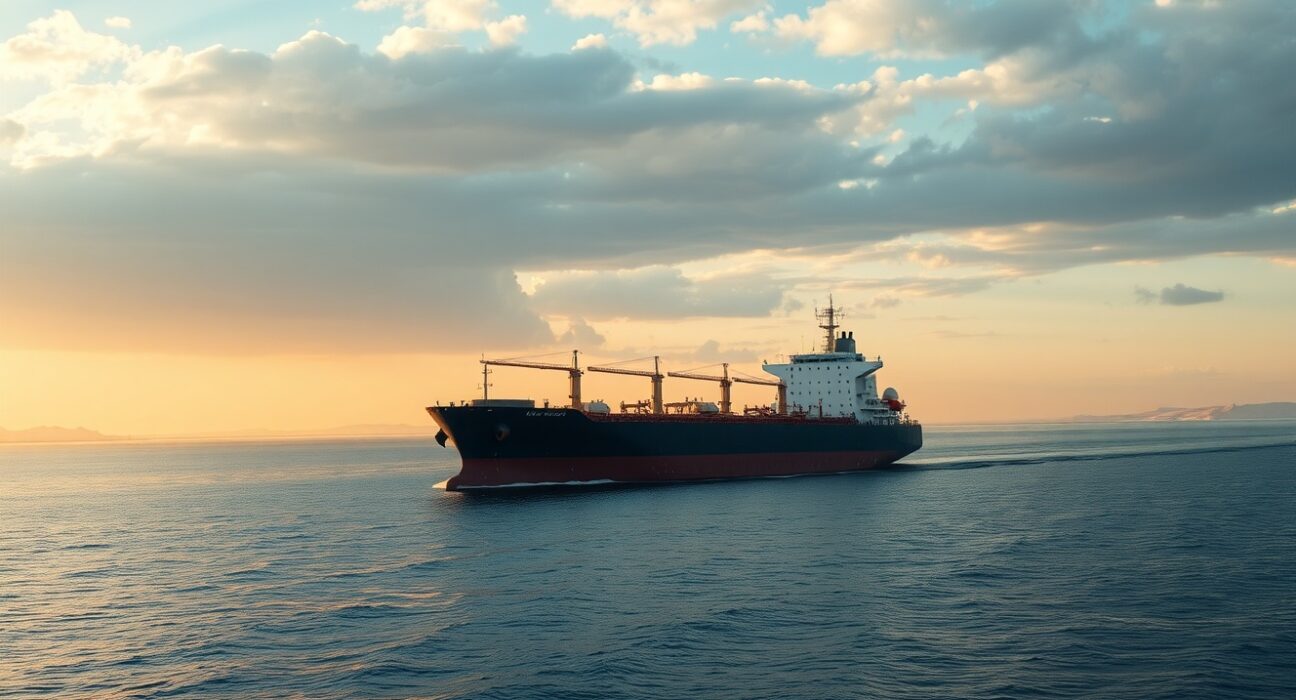
West Texas Intermediate crude oil extended its recovery on Wednesday, climbing back toward the $92 per barrel mark after touching a two-week low earlier in the session. The rebound is being driven by renewed geopolitical risks surrounding the Strait of Hormuz and escalating tensions between the United States and Iran, which have raised fresh concerns about potential supply disruptions from one of the world’s most critical oil transit chokepoints.
Geopolitical pressures fuel crude rebound
WTI futures had slipped to a two-week low earlier this week amid broader risk-off sentiment in commodity markets. However, prices reversed course as traders reassessed the likelihood of supply-side shocks stemming from heightened US-Iran rhetoric. Reports of increased naval patrols near the Strait of Hormuz and diplomatic signals from Washington indicating a tougher stance on Iranian oil exports have added a risk premium back into crude pricing.
The Strait of Hormuz, a narrow waterway between Oman and Iran, handles roughly one-fifth of the world’s total petroleum consumption. Any disruption—whether from military confrontation, sanctions enforcement, or sabotage—could immediately tighten global supply balances and push prices sharply higher. The market is now pricing in a non-trivial probability of such an event, reflected in the recovery from recent lows.
Technical factors and market positioning
From a technical perspective, WTI found strong buying interest near the $89.50 support level, which had held during previous pullbacks in the current uptrend. The bounce above $91.50 has brought the $92.00 psychological resistance back into focus. A sustained break above that level could open the door to retesting recent highs near $93.80, depending on how geopolitical headlines evolve.
Trading volumes have picked up noticeably, suggesting institutional repositioning rather than retail noise. Open interest in WTI futures has increased, indicating fresh capital flowing into long positions as hedge funds and commodity trading advisors adjust for a potentially more volatile second half of the quarter.
Why this matters for energy markets
The current price action is not merely a technical bounce—it reflects a fundamental reassessment of supply risk. The International Energy Agency has repeatedly warned that spare production capacity, particularly within OPEC+, is thinner than official figures suggest. If Hormuz traffic is interrupted, even temporarily, the market would struggle to find replacement barrels quickly.
For consumers, higher crude prices translate directly into elevated gasoline and diesel costs, which feed into broader inflation readings. Central banks, including the Federal Reserve, are watching energy prices closely as they calibrate monetary policy. A sustained move above $92 could complicate the disinflation narrative that has supported risk assets in recent months.
Conclusion
WTI’s recovery from its two-week low highlights the market’s sensitivity to geopolitical developments in the Middle East. While the immediate catalyst is the US-Iran standoff and Hormuz risks, the underlying supply-demand picture remains tight. Traders should monitor diplomatic channels and naval activity in the region closely, as any escalation could trigger a rapid repricing of crude oil. For now, the $92 level serves as a key threshold that will determine whether this recovery extends into a sustained rally or fades into consolidation.
FAQs
Q1: Why is the Strait of Hormuz important for oil prices?
The Strait of Hormuz is a narrow waterway through which approximately 20% of global oil consumption passes daily. Any disruption to shipping there can immediately affect global supply and cause crude prices to spike.
Q2: What is driving the current US-Iran tensions?
Recent tensions stem from increased US enforcement of oil sanctions against Iran, as well as military posturing near the Strait of Hormuz. Diplomatic talks have stalled, raising the risk of confrontation.
Q3: Could WTI break above $92 and stay there?
A sustained move above $92 depends on whether geopolitical risks materialize or de-escalate. If tensions persist or worsen, prices could test recent highs. If diplomacy advances, the risk premium may fade, pulling prices back toward $90.
Disclaimer: The information provided is not trading advice, Bitcoinworld.co.in holds no liability for any investments made based on the information provided on this page. We strongly recommend independent research and/or consultation with a qualified professional before making any investment decisions.
