

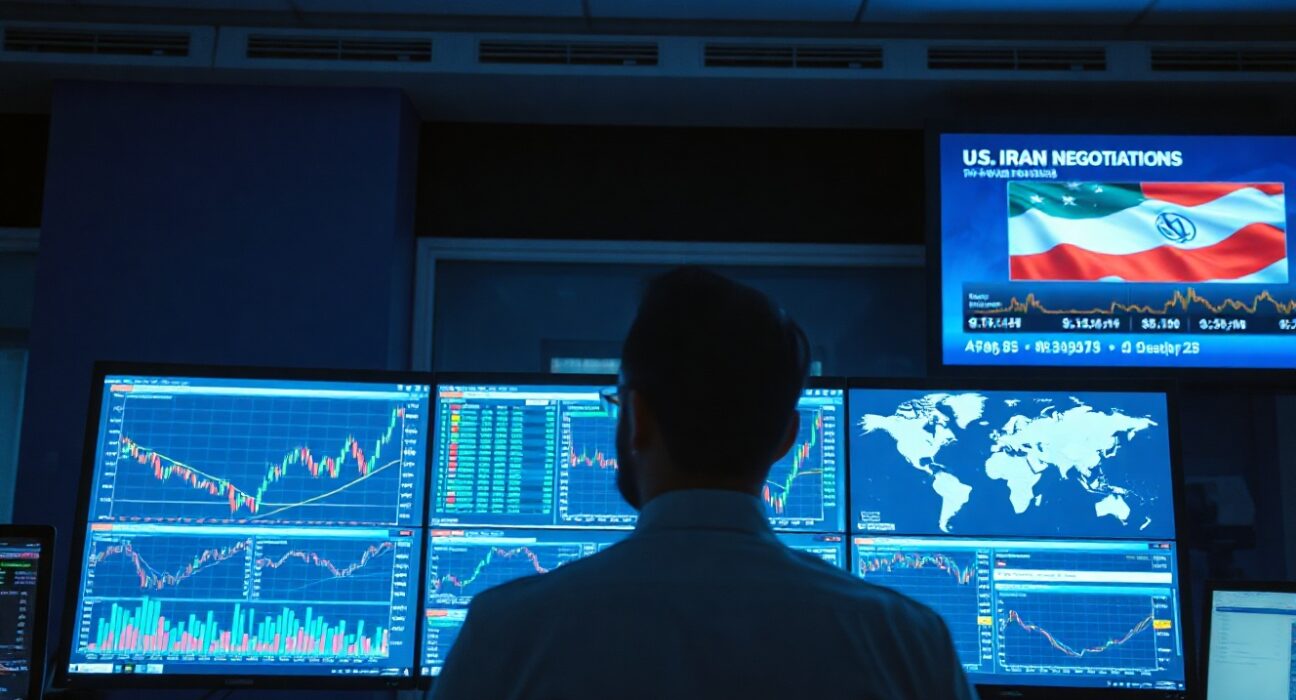
Global currency markets showed signs of stabilization on Tuesday, even as clarity over a potential US-Iran truce deal remained elusive. Traders are cautiously navigating a landscape shaped by diplomatic ambiguity, fluctuating oil prices, and shifting risk appetite.
Markets Hold Steady Amid Diplomatic Fog
After days of heightened volatility driven by headlines from indirect US-Iran negotiations, major currency pairs settled into narrow ranges. The US dollar index edged slightly lower, reflecting a cautious retreat from safe-haven demand, while the euro and yen held steady. Market participants are weighing the possibility of a de-escalation in Middle East tensions against the lack of a formal agreement.
The uncertainty stems from conflicting signals: diplomatic channels suggest progress, yet no official statement has confirmed a breakthrough. This information vacuum has left traders reliant on rumor and speculation, a fragile foundation for sustained market direction.
Oil Prices and the Ripple Effect on Forex
A key variable in the current equation is oil. Crude prices, which initially surged on fears of supply disruptions from a broader conflict, have since pulled back as the truce narrative gained traction. However, the absence of a confirmed deal means the risk of a supply shock remains, keeping oil-linked currencies like the Canadian dollar and Norwegian krone in a state of flux.
For forex traders, the interplay between oil prices and the US dollar is critical. A sustained drop in crude could weaken the dollar further, benefiting commodity currencies, while a renewed spike would likely revive safe-haven flows. The market is pricing in a high degree of uncertainty, as reflected in elevated implied volatility for currency options.
What This Means for Traders
The current environment demands a focus on risk management. With no clear catalyst on the horizon, short-term price action is likely to remain choppy. Traders should monitor official statements from Washington and Tehran, as well as crude inventory data, for the next directional trigger. The lack of clarity is not a reason to trade blindly; it is a signal to exercise caution.
Conclusion
Markets have stabilized for now, but the underlying geopolitical risk is far from resolved. The US-Iran truce talks remain a pivotal factor for forex and commodity markets alike. Until a concrete agreement emerges, traders should expect continued volatility and avoid overleveraging positions based on unconfirmed headlines. The focus should remain on verifiable data and official communications.
FAQs
Q1: Why are forex markets affected by US-Iran truce talks?
Geopolitical tensions influence risk sentiment, safe-haven demand for currencies like the US dollar and yen, and oil prices, which directly impact commodity-linked currencies.
Q2: What is the current status of the US-Iran truce deal?
As of now, no formal agreement has been announced. Reports indicate ongoing diplomatic efforts, but the situation remains fluid and unconfirmed.
Q3: How should traders approach the market during such uncertainty?
Focus on risk management, avoid trading on rumors, and rely on official statements and economic data for confirmation. Consider reducing position sizes until clarity improves.
Disclaimer: The information provided is not trading advice, Bitcoinworld.co.in holds no liability for any investments made based on the information provided on this page. We strongly recommend independent research and/or consultation with a qualified professional before making any investment decisions.
