

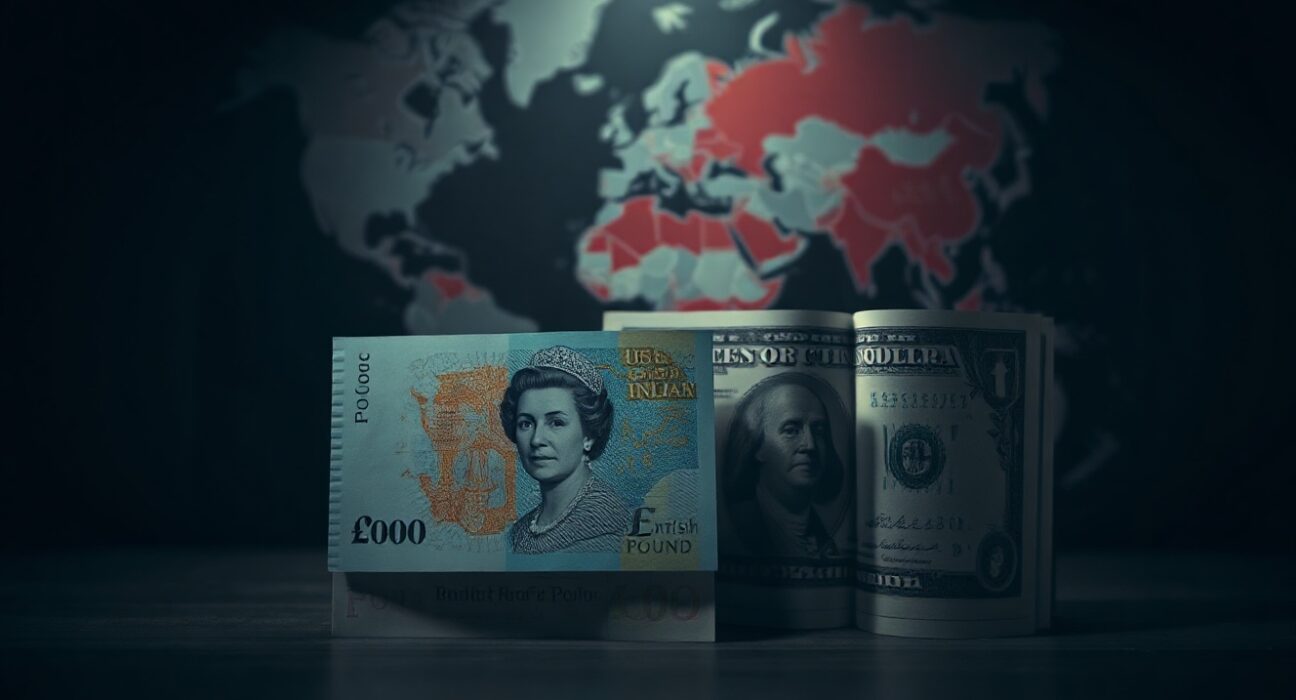
The British Pound has staged a modest recovery against the US Dollar in recent trading sessions, clawing back some of the losses incurred over the past week. However, market analysts remain cautious, pointing to escalating geopolitical tensions surrounding Iran as a key factor that could cap any sustained upside for the GBP/USD pair.
Recovery Amidst Uncertainty
The GBP/USD pair has risen approximately 0.4% in early London trading, trading near the 1.2650 level. This uptick follows a period of weakness driven by a stronger US Dollar, which had been buoyed by safe-haven demand. The catalyst for the dollar’s strength has been rising instability in the Middle East, particularly related to Iran’s nuclear program and the potential for supply disruptions in the global energy market.
The British Pound’s recovery appears technical in nature, with traders taking profits after the dollar’s recent rally. However, fundamental drivers remain tilted against the Sterling. The UK economy continues to face headwinds from stubborn inflation and sluggish growth, limiting the Bank of England’s ability to raise interest rates aggressively.
Iran Tensions: The Dominant Risk
The primary concern for currency markets remains the situation with Iran. Reports of increased uranium enrichment and the failure of diplomatic talks have raised the specter of renewed sanctions or even military confrontation. Such scenarios typically trigger a flight to safety, benefiting the US Dollar and other perceived havens like the Japanese Yen and Swiss Franc, while putting pressure on risk-sensitive currencies like the British Pound.
“The Iran factor is the single biggest unknown for the GBP/USD outlook right now,” said a senior currency strategist at a London-based brokerage. “Any escalation will likely see the dollar strengthen further, regardless of the UK’s domestic economic data. The recovery we’re seeing in Sterling feels fragile and could easily reverse.”
What This Means for Traders and Businesses
For forex traders, the current environment demands caution. The recent bounce in the Pound could present a selling opportunity if geopolitical risks intensify. Key support levels for GBP/USD are seen around 1.2550, with a break below that potentially opening the door to a move toward 1.2400.
UK businesses that rely on imports priced in US Dollars, such as oil and raw materials, may see costs rise if the Pound weakens further. Conversely, exporters could benefit from a more competitive exchange rate, though this is small comfort against broader economic uncertainty.
Conclusion
While the British Pound has shown signs of life against the US Dollar, the recovery lacks conviction. The overriding narrative is dominated by geopolitical risk stemming from Iran, which continues to support the greenback. Without a significant de-escalation in tensions, the outlook for Sterling remains weak, and the recent uptick may prove short-lived. Market participants should remain vigilant and focus on global headlines as much as domestic economic data.
FAQs
Q1: Why is the British Pound recovering against the US Dollar?
The recovery is largely technical, driven by profit-taking after the US Dollar’s recent rally. Traders are also adjusting positions ahead of key economic data releases.
Q2: How do Iran tensions affect the GBP/USD exchange rate?
Geopolitical tensions, particularly with Iran, increase demand for safe-haven assets like the US Dollar. This typically puts downward pressure on riskier currencies like the British Pound, as investors seek stability.
Q3: Is the Pound’s recovery likely to continue?
The outlook remains uncertain. The recovery appears fragile and is heavily dependent on geopolitical developments. If Iran tensions escalate, the Pound could easily reverse its gains. A sustained recovery would require a clear de-escalation in the Middle East and improved UK economic data.
Disclaimer: The information provided is not trading advice, Bitcoinworld.co.in holds no liability for any investments made based on the information provided on this page. We strongly recommend independent research and/or consultation with a qualified professional before making any investment decisions.
