

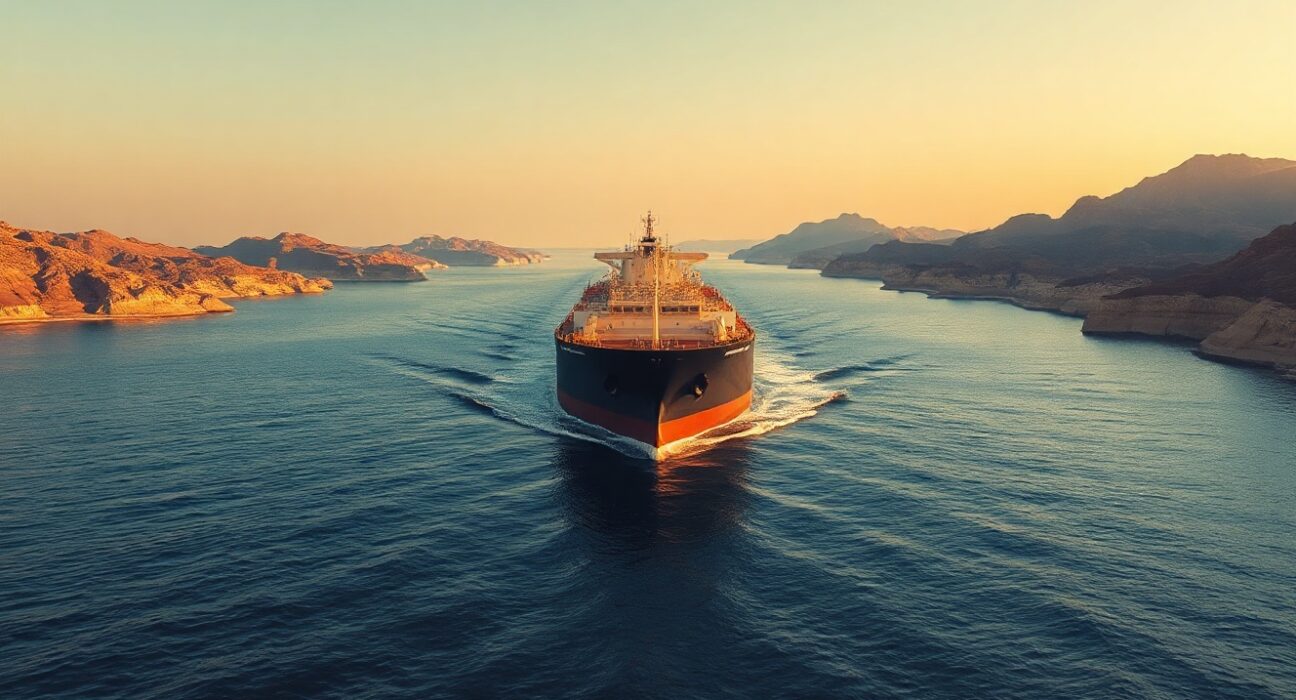
Brent crude oil prices remain under upward pressure as ongoing disruptions near the Strait of Hormuz continue to threaten global supply routes, according to a new analysis from Rabobank. The Dutch lender’s commodities team warned that geopolitical tensions in the region are sustaining a risk premium in the market, keeping Brent above the $80 per barrel threshold in recent trading sessions.
Supply Risks at a Global Chokepoint
The Strait of Hormuz, a narrow waterway between Oman and Iran, is one of the world’s most critical oil transit chokepoints. Approximately 20 million barrels of crude oil and petroleum products pass through it daily, accounting for roughly a third of global seaborne oil trade. Any disruption—whether from military conflict, sabotage, or regulatory actions—can have immediate and severe effects on global energy prices.
Rabobank’s analysts highlighted that recent incidents, including vessel seizures and heightened naval patrols in the region, have kept traders on edge. While no major supply outage has occurred, the persistent threat of escalation is preventing prices from retreating. The bank noted that the market is effectively pricing in a continued risk of interruption, which is providing a floor under Brent.
Market Context and Price Action
Brent crude has traded in a range of roughly $78 to $85 per barrel over the past month, with spikes correlated to headlines from the Middle East. The broader macroeconomic backdrop—including slowing demand growth in China and mixed signals from OPEC+ production policy—has capped gains, but the Hormuz risk premium remains a key supporting factor.
Rabobank’s assessment comes as other analysts also flag the vulnerability of the region. The International Energy Agency (IEA) has repeatedly warned that the global oil market has limited spare capacity to absorb a prolonged disruption at Hormuz. Saudi Arabia and the UAE hold most of the world’s spare production capacity, but much of that oil would still need to transit the strait.
Implications for Consumers and Businesses
Sustained Brent prices above $80 translate into higher costs for gasoline, diesel, and jet fuel, affecting both consumers and industries. For import-dependent economies in Asia and Europe, the strain on energy import bills adds to inflationary pressures. Airlines, shipping companies, and logistics firms are particularly exposed to volatile fuel costs.
Rabobank’s analysis suggests that until a diplomatic or security solution reduces the threat level at Hormuz, the risk premium is unlikely to dissipate. Traders and policymakers should prepare for continued volatility.
Conclusion
The Strait of Hormuz disruption remains a defining factor for Brent crude prices, with Rabobank emphasizing that the risk is structural rather than transient. While no immediate supply crisis is unfolding, the market is pricing in a persistent threat that keeps prices elevated. For investors and energy consumers, the outlook hinges on geopolitical developments in the region and the ability of global producers to compensate for any potential outage.
FAQs
Q1: Why is the Strait of Hormuz important for oil prices?
The Strait of Hormuz is a narrow waterway through which about 20 million barrels of oil and petroleum products pass daily. Any disruption there directly threatens global supply, causing price spikes.
Q2: What did Rabobank say about Brent crude?
Rabobank analysts stated that ongoing disruption risks near the Strait of Hormuz are sustaining price pressure on Brent crude, keeping it above $80 per barrel.
Q3: How long could this price pressure last?
According to Rabobank, the risk premium is likely to persist until there is a meaningful reduction in geopolitical tensions or a security solution that ensures safe passage through the strait.
Disclaimer: The information provided is not trading advice, Bitcoinworld.co.in holds no liability for any investments made based on the information provided on this page. We strongly recommend independent research and/or consultation with a qualified professional before making any investment decisions.
