

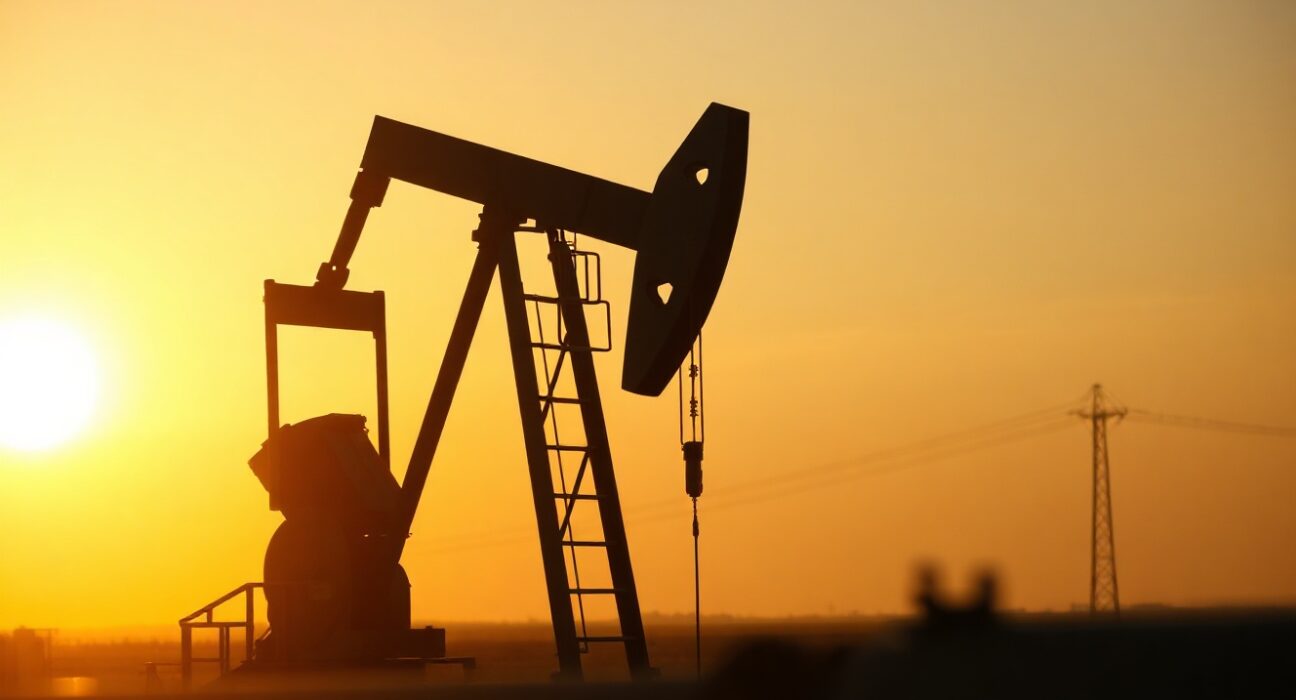
West Texas Intermediate (WTI) crude oil traded with a positive bias below the mid-$79.00s on [current date], as ongoing uncertainty surrounding Iran and persistent supply concerns continued to underpin prices.
Iran Uncertainty and Supply Risks
The market remains focused on geopolitical developments in the Middle East, particularly any potential disruption to oil flows from the region. Iran’s role in global supply and the possibility of new sanctions or conflict have kept traders cautious, adding a risk premium to crude prices.
Supply concerns are also supported by output cuts from major producers and tightening global inventories. These factors have helped WTI maintain its recent upward momentum, despite broader economic headwinds.
Market Context and Price Drivers
Crude oil prices have been volatile in recent weeks, reacting to a mix of geopolitical news, demand forecasts, and inventory data. The current level near $79 reflects a balance between supply constraints and concerns about slowing global demand, particularly from major economies.
Analysts note that while the immediate bias is positive, any de-escalation in Iran tensions could quickly remove the risk premium, leading to a sharp pullback. Conversely, any actual supply disruption could push prices significantly higher.
Why This Matters to Traders and Consumers
For traders, the current price action offers opportunities but also risks, as headlines can drive rapid moves. For consumers, higher oil prices often translate into increased costs for gasoline and heating, affecting household budgets and inflation expectations.
Understanding the interplay between geopolitical risk and supply fundamentals is crucial for anticipating future price trends.
Conclusion
WTI crude oil is trading with a positive bias, supported by Iran-related uncertainty and supply concerns. The market remains sensitive to news flow, and traders should monitor geopolitical developments closely. While the short-term outlook appears constructive, the potential for volatility is high.
FAQs
Q1: What is WTI crude oil?
WTI (West Texas Intermediate) is a grade of crude oil used as a benchmark in oil pricing. It is primarily produced in the United States and is known for its light, sweet characteristics.
Q2: Why is Iran uncertainty affecting oil prices?
Iran is a major oil producer, and any geopolitical conflict or sanctions can disrupt its exports, reducing global supply and pushing prices up. The market prices in this risk, leading to a premium.
Q3: How do supply concerns impact consumers?
Higher oil prices typically lead to increased fuel costs, which can raise the price of gasoline, heating, and goods that rely on transportation. This can contribute to inflation and affect household spending.
Disclaimer: The information provided is not trading advice, Bitcoinworld.co.in holds no liability for any investments made based on the information provided on this page. We strongly recommend independent research and/or consultation with a qualified professional before making any investment decisions.
