

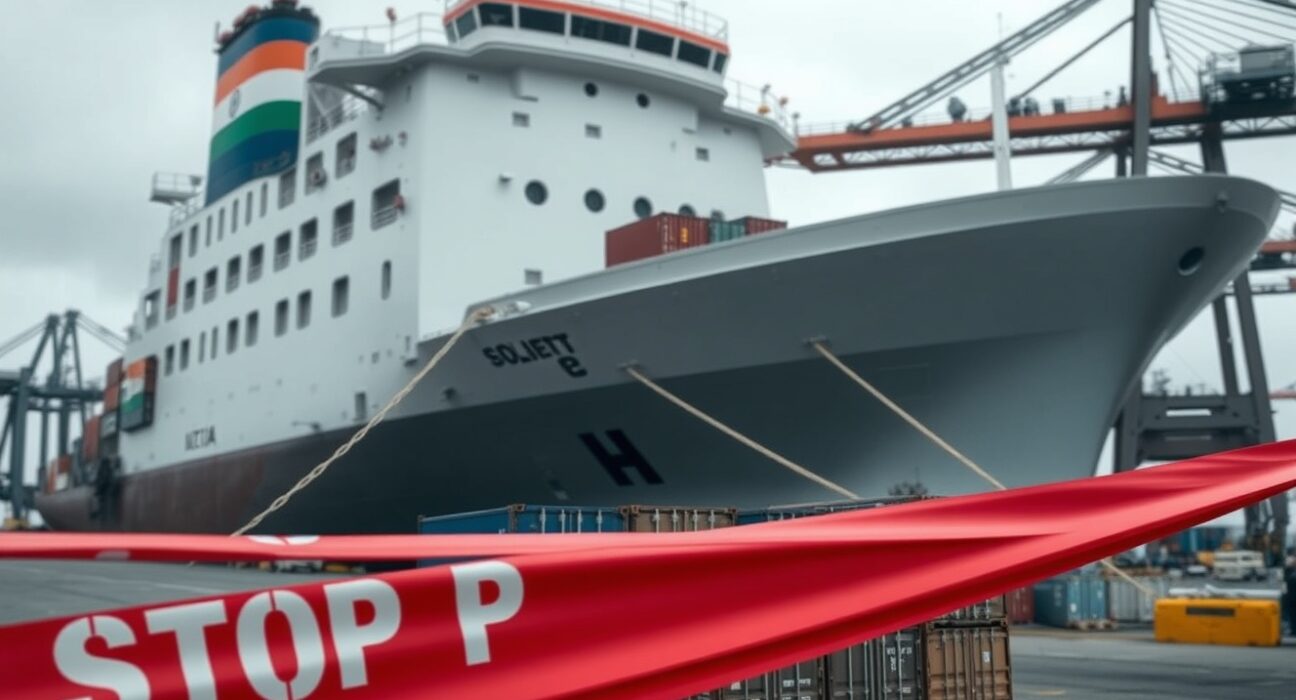
The United States has proposed additional tariffs of 12.5% on imports from India and 59 other countries, citing inadequate enforcement of bans on forced labour. The move, announced by the Office of the United States Trade Representative (USTR), marks a significant escalation in trade enforcement tied to labour standards.
Scope and Rationale of the Tariff Action
The proposed tariffs target nations that the USTR determined have not taken sufficient steps to eliminate forced labour from their supply chains, as required under Section 307 of the Tariff Act of 1930. This section prohibits the importation of goods produced by forced labour, including child labour. The USTR’s review found that while many of the listed countries have laws against forced labour, enforcement mechanisms remain weak or inconsistently applied.
India, a major trading partner of the US, faces particular scrutiny due to the size of its export economy and reports of labour abuses in sectors such as textiles, agriculture, and manufacturing. The 12.5% tariff would apply to a broad range of goods, though specific product exclusions may be negotiated.
Implications for India-US Trade Relations
India is one of the largest beneficiaries of US trade preference programs, and the proposed tariffs could disrupt bilateral trade valued at over $190 billion annually. Indian exporters in sectors like garments, leather goods, and agricultural products are likely to face higher costs, potentially reducing their competitiveness in the US market.
The Indian government has responded by stating its commitment to eliminating forced labour and has pointed to recent legislative and enforcement reforms. However, trade analysts note that the US action may be used as leverage in broader trade negotiations, including discussions on market access and digital trade rules.
Global Trade and Policy Context
The tariff proposal is part of a broader US strategy to link trade policy with human rights and labour standards. Similar actions have been taken against other countries in recent years, including the use of Withhold Release Orders (WROs) on specific companies. The current action, however, is notable for its broad, country-level scope rather than targeting individual firms.
The 60-day public comment period will allow stakeholders—including foreign governments, industry groups, and labour organizations—to provide input before the tariffs are finalized. The USTR has indicated that it may adjust the tariff rate or exempt certain products based on evidence of improved enforcement.
Conclusion
The US proposal to impose 12.5% tariffs on India and 59 other nations over forced labour enforcement represents a significant shift toward using trade penalties as a tool for labour rights compliance. While the full impact depends on the outcome of the comment period and potential negotiations, the move signals that Washington is prepared to enforce labour standards more aggressively. For Indian exporters and trade policymakers, this development adds a new layer of complexity to an already intricate bilateral trade relationship.
FAQs
Q1: What is Section 307 of the Tariff Act of 1930?
Section 307 prohibits the importation of goods produced by forced labour, including convict labour, indentured labour, or child labour. It allows the US government to detain or seize shipments and impose penalties on importers.
Q2: Which countries are affected by the proposed tariffs?
The USTR has listed 60 countries, including India, China, Vietnam, Bangladesh, and several nations in Southeast Asia and Africa. The full list is available in the Federal Register notice.
Q3: When would the 12.5% tariffs take effect?
The tariffs are not yet in effect. The USTR has opened a 60-day public comment period. After reviewing comments, the agency may finalize the tariffs, modify them, or withdraw the proposal. A final decision is expected within 90 days.
Disclaimer: The information provided is not trading advice, Bitcoinworld.co.in holds no liability for any investments made based on the information provided on this page. We strongly recommend independent research and/or consultation with a qualified professional before making any investment decisions.
