

2026-08-25
The Canadian dollar is facing mounting pressure from two fronts: a slump in global oil prices and renewed threats of US tariffs on.
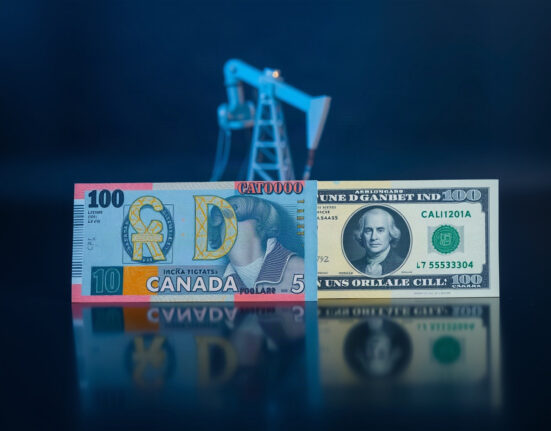
The Canadian dollar is facing mounting pressure from two fronts: a slump in global oil prices and renewed threats of US tariffs on.

The Trump administration has refunded $100 billion in tariffs collected under the ‘liberation day’ import duties, a significant reversal of its trade policy,.

A fresh wave of US tariff announcements and an intensifying Middle East conflict are driving significant volatility across global currency and equity markets,.

The Australian Dollar (AUD) edged higher against the US Dollar (USD) during Tuesday’s trading session, staging a modest rebound after recent losses. However,.

The Canadian Dollar declined against the US Dollar on [Date of article publication, e.g., Tuesday], as the currency faced dual headwinds from the.

Commerzbank analysts have issued a new assessment of the copper market, highlighting a delicate balance between supportive Chinese manufacturing data and the looming.

The New Zealand Dollar (NZD) has experienced a notable decline against major currencies, particularly the US Dollar (USD), as renewed threats of US.

Asian currencies traded within narrow ranges on Tuesday as markets balanced escalating geopolitical risks in the Middle East against fresh concerns over US.

The United States has proposed additional tariffs of 12.5% on imports from India and 59 other countries, citing inadequate enforcement of bans on.
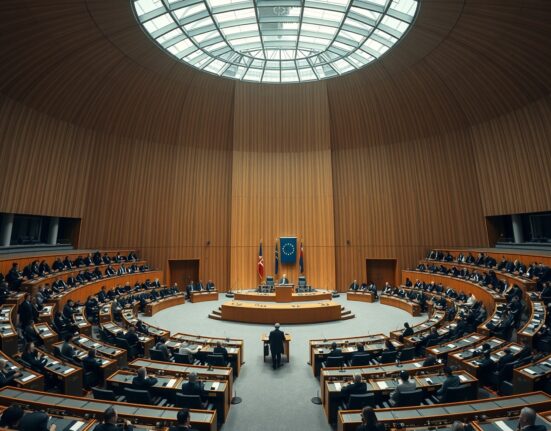
The European Parliament has approved a measure to reduce tariffs on a range of US imports, a decisive step toward de-escalating rising trade.