

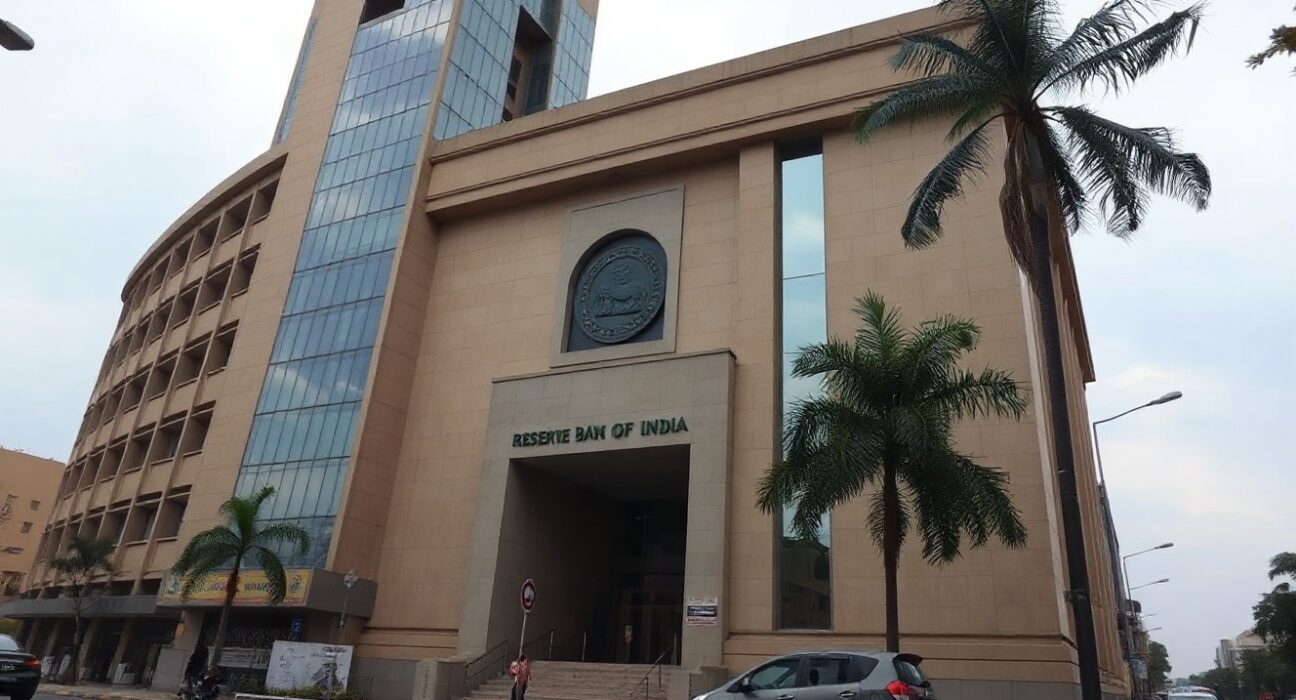
The Indian rupee is under increasing strain, and the Reserve Bank of India (RBI) faces a delicate balancing act to manage currency depreciation without derailing economic growth. According to a recent analysis by Societe Generale, the pressure on the RBI is intensifying as global dollar strength, trade imbalances, and capital outflows continue to weigh on the rupee.
What Societe Generale’s Analysis Reveals
In its latest research note, Societe Generale highlighted that the RBI is navigating a challenging environment where the rupee has been testing new lows against the US dollar. The French banking giant points to a combination of factors: a persistently strong US dollar driven by hawkish Federal Reserve policy, widening India’s current account deficit, and reduced foreign portfolio inflows into Indian equities and bonds.
The report suggests that the RBI’s intervention in the forex market, while providing short-term stability, may not be sustainable over the long term. The central bank has been selling US dollars from its reserves to prevent sharp rupee depreciation, but this strategy depletes foreign exchange buffers and risks imported inflation.
Why the Rupee Is Under Pressure
The Indian rupee has depreciated by roughly 3% against the US dollar over the past six months, reflecting broader emerging market currency weakness. Key drivers include:
- Global Dollar Strength: The US dollar index (DXY) has remained elevated as the Federal Reserve maintains higher interest rates to combat inflation.
- Trade Deficit: India’s merchandise trade deficit widened to over $20 billion in recent months, driven by high crude oil and gold imports.
- Capital Outflows: Foreign portfolio investors (FPIs) have pulled out nearly $4 billion from Indian markets since the start of the year, adding to currency selling pressure.
RBI’s Policy Options and Constraints
The RBI has several tools at its disposal, but each comes with trade-offs. Direct intervention through dollar sales can stabilize the rupee but reduces the country’s import cover. Raising interest rates could attract foreign capital but risks slowing domestic demand. The central bank has also relaxed norms for foreign borrowing by companies to encourage dollar inflows.
Societe Generale notes that the RBI is likely to continue a managed depreciation strategy, allowing the rupee to weaken gradually rather than abruptly. This approach aims to avoid shocking markets while maintaining export competitiveness.
Impact on Businesses and Consumers
A weaker rupee makes imports more expensive, directly affecting companies that rely on foreign raw materials or components. Industries such as electronics, pharmaceuticals, and automobiles face higher input costs. For consumers, imported goods — from electronics to edible oils — become pricier, contributing to inflationary pressures.
On the positive side, exporters in sectors like IT services, textiles, and pharmaceuticals benefit from a weaker rupee as their earnings in dollars translate into higher rupee revenues.
Conclusion
The RBI is under significant pressure to manage the rupee’s decline amid a challenging global macroeconomic environment. Societe Generale’s analysis underscores the complexity of the central bank’s task: balancing currency stability with reserve adequacy and inflation control. Investors and businesses should monitor RBI policy statements and forex reserve data closely for signals on future direction.
FAQs
Q1: Why is the Indian rupee weakening against the US dollar?
The rupee is weakening due to a strong US dollar, India’s widening trade deficit, and foreign capital outflows from domestic markets.
Q2: What can the RBI do to support the rupee?
The RBI can sell US dollars from its reserves, raise interest rates, or relax foreign borrowing norms for Indian companies to boost dollar inflows.
Q3: How does a weaker rupee affect the Indian economy?
A weaker rupee increases import costs, fueling inflation, but benefits exporters by making their goods cheaper abroad.
Disclaimer: The information provided is not trading advice, Bitcoinworld.co.in holds no liability for any investments made based on the information provided on this page. We strongly recommend independent research and/or consultation with a qualified professional before making any investment decisions.
