

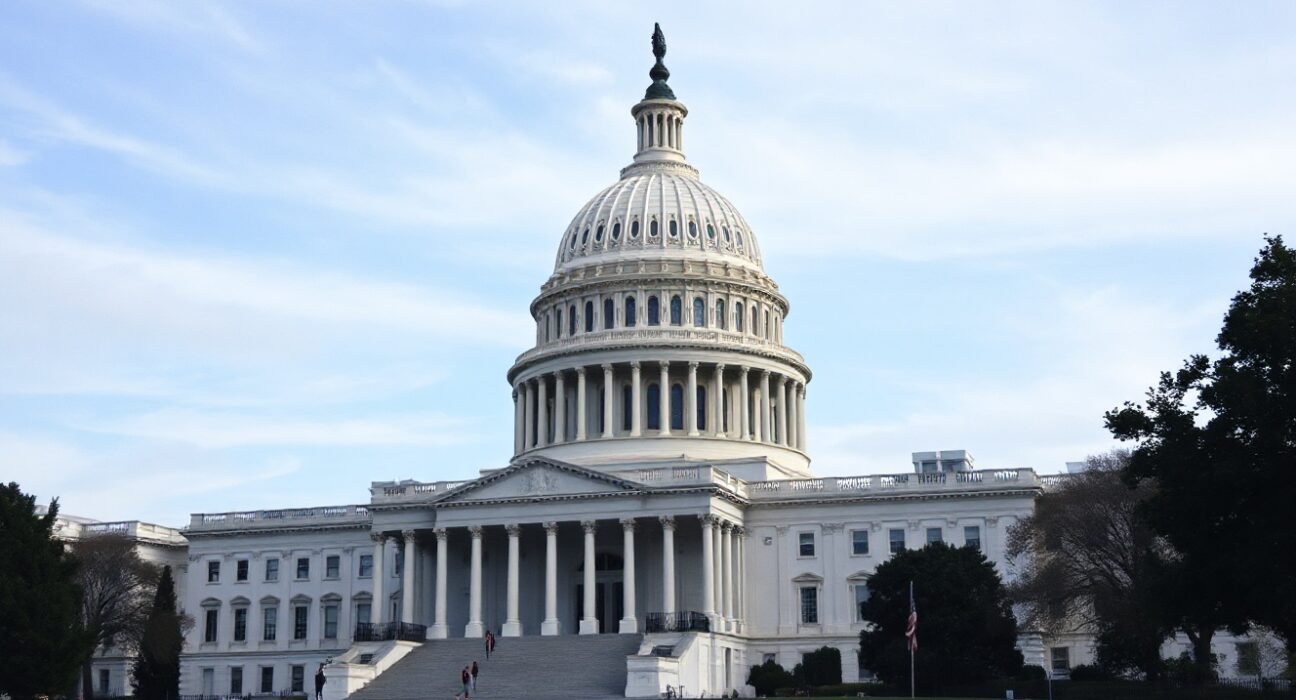
JPMorgan has delivered a sobering assessment for the cryptocurrency industry: the Clarity Act, a proposed U.S. market structure bill for digital assets, is unlikely to become law this year. The bank’s analysts, led by Nikolaos Panigirtzoglou, cited the approaching midterm elections as a key factor compressing the legislative calendar, according to a report from CoinDesk.
Legislative Roadblocks Ahead
The Clarity Act passed the Senate Banking Committee on May 14, a milestone that initially raised hopes for progress on crypto market structure reform. However, JPMorgan’s research highlights several formidable hurdles that remain. The bill must still secure 60 votes in the full Senate — a high bar in a divided chamber — reconcile its provisions with a separate version passed by the House, and ultimately obtain the President’s signature. Each of these steps faces significant political headwinds.
Banking Sector Opposition Adds Pressure
Beyond the procedural challenges, JPMorgan noted that opposition from the banking sector has further dampened expectations. Traditional financial institutions have expressed concerns about the bill’s potential impact on existing regulatory frameworks and competitive dynamics. This opposition, combined with the shortened legislative window, makes passage this year increasingly improbable.
Why This Matters for Crypto Markets
The delay of the Clarity Act has immediate implications for the cryptocurrency industry. Without a clear federal market structure, digital asset firms continue to operate under a patchwork of state regulations and enforcement actions by the SEC and CFTC. This regulatory uncertainty can stifle innovation, deter institutional investment, and push companies to operate overseas. JPMorgan’s assessment reinforces the view that comprehensive crypto legislation will likely remain elusive until at least 2026, after the midterm elections reshuffle congressional priorities.
Conclusion
While the Clarity Act represents a significant bipartisan effort to define how digital assets are regulated in the United States, JPMorgan’s analysis suggests the political and procedural obstacles are too steep to overcome this year. For stakeholders in the crypto ecosystem, the message is clear: near-term regulatory clarity will depend on agency actions and court rulings rather than congressional legislation.
FAQs
Q1: What is the Clarity Act?
The Clarity Act is a proposed U.S. bill aimed at establishing a federal regulatory framework for cryptocurrency markets, including rules for token classification, exchange registration, and investor protections.
Q2: Why do midterm elections affect crypto legislation?
Midterm elections shorten the legislative calendar as lawmakers prioritize campaigning over policymaking. They also shift the political dynamics, making it harder to pass complex or controversial bills that require broad bipartisan support.
Q3: What happens if the Clarity Act does not pass?
If the bill stalls, the U.S. crypto industry will continue to face regulatory fragmentation, with the SEC and CFTC pursuing enforcement actions and states like New York maintaining their own licensing regimes. This uncertainty may slow innovation and push some firms to more crypto-friendly jurisdictions.
Disclaimer: The information provided is not trading advice, Bitcoinworld.co.in holds no liability for any investments made based on the information provided on this page. We strongly recommend independent research and/or consultation with a qualified professional before making any investment decisions.
