

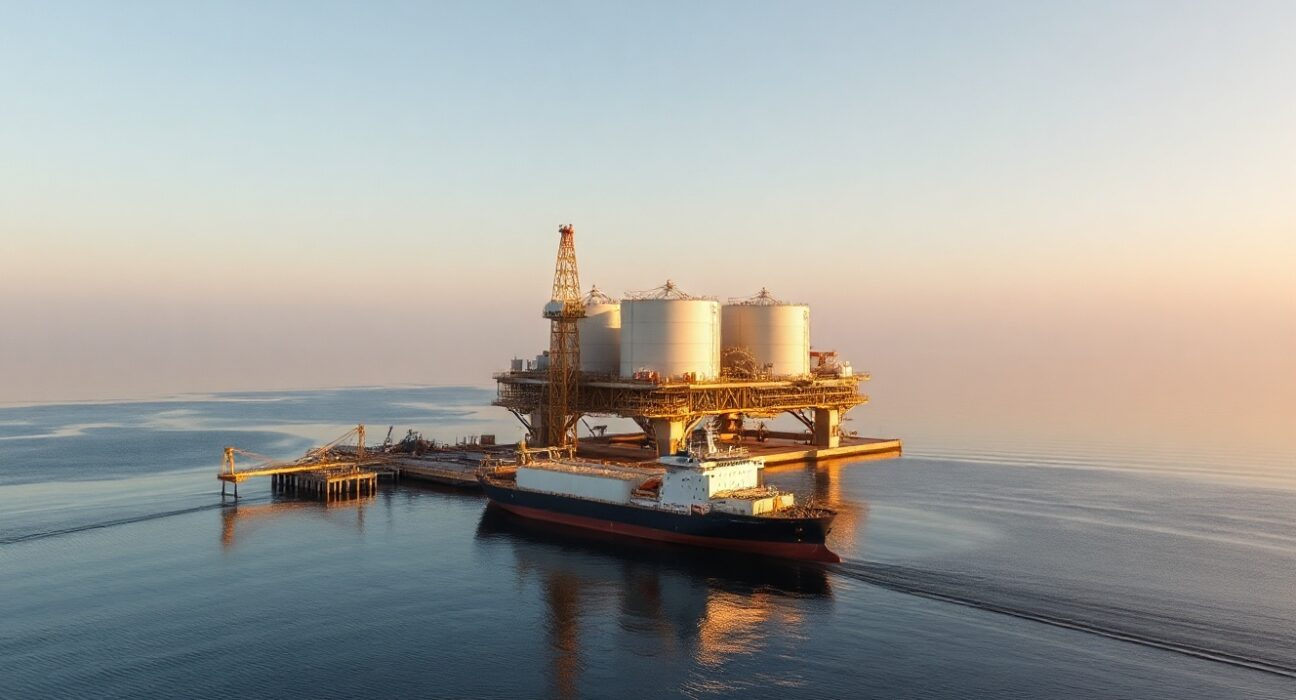
Oman’s key crude oil export terminal, Mina al Fahal, has suspended loading operations following a reported drone attack, according to a Reuters report. The incident marks a significant escalation in regional threats to critical energy infrastructure and has already raised concerns about supply stability in the Gulf.
What Happened at Mina al Fahal?
The Mina al Fahal terminal, operated by Petroleum Development Oman (PDO), is a vital hub for the country’s crude oil exports. According to initial reports, a drone strike targeted the facility, leading to an immediate halt in loading activities. No group has claimed responsibility as of the latest updates, and Omani authorities have not officially confirmed the cause of the disruption.
The terminal typically handles a significant portion of Oman’s daily crude output, which averaged around 1.06 million barrels per day in 2023. A prolonged shutdown could tighten global supplies, especially as markets remain sensitive to geopolitical risks in the Middle East.
Regional Energy Security Under Scrutiny
This incident comes amid heightened tensions across the Gulf region, where oil and gas infrastructure has increasingly become a target in broader geopolitical conflicts. The Strait of Hormuz, through which about 20% of global oil passes, lies less than 200 nautical miles from Mina al Fahal. Any disruption near this chokepoint tends to trigger volatility in crude prices.
While Oman has historically maintained a neutral stance in regional conflicts, the attack suggests that critical energy assets are no longer immune from spillover effects. The halt at Mina al Fahal may prompt other Gulf states to reassess the security of their own export terminals.
Market and Supply Implications
Oil markets are closely watching the situation. Brent crude futures edged higher in early trading following the news, reflecting immediate supply concerns. However, analysts caution that the impact will depend on the duration of the outage. If loading resumes within days, the effect on global inventories may be minimal. A longer suspension could force refiners in Asia, a key buyer of Omani crude, to seek alternative grades from Saudi Arabia or the UAE.
Oman’s government has not yet declared force majeure on crude shipments, but traders are already bracing for potential delays. The country’s oil revenues are critical for its fiscal budget, and any sustained disruption would add pressure to its economy.
Conclusion
The reported drone attack on Oman’s Mina al Fahal terminal and the subsequent halt in oil loading underscore the growing vulnerability of energy infrastructure in the Middle East. While the full extent of the damage remains unclear, the incident serves as a reminder that regional conflicts can have immediate consequences for global energy markets. Readers should monitor official statements from Omani authorities and PDO for verified updates on resumption of operations.
FAQs
Q1: Where is Mina al Fahal terminal located?
Mina al Fahal is located near Muscat, Oman’s capital, on the Gulf of Oman coast. It is the country’s primary crude oil export terminal.
Q2: How much oil does Oman export through Mina al Fahal?
The terminal handles a significant share of Oman’s crude exports, which total roughly 800,000 to 900,000 barrels per day. Exact volumes vary based on production and maintenance schedules.
Q3: Has the attack been officially confirmed?
As of the latest reporting, Omani authorities have not issued an official confirmation. The information comes from a Reuters report citing unnamed sources. Verification is pending.
Disclaimer: The information provided is not trading advice, Bitcoinworld.co.in holds no liability for any investments made based on the information provided on this page. We strongly recommend independent research and/or consultation with a qualified professional before making any investment decisions.
