

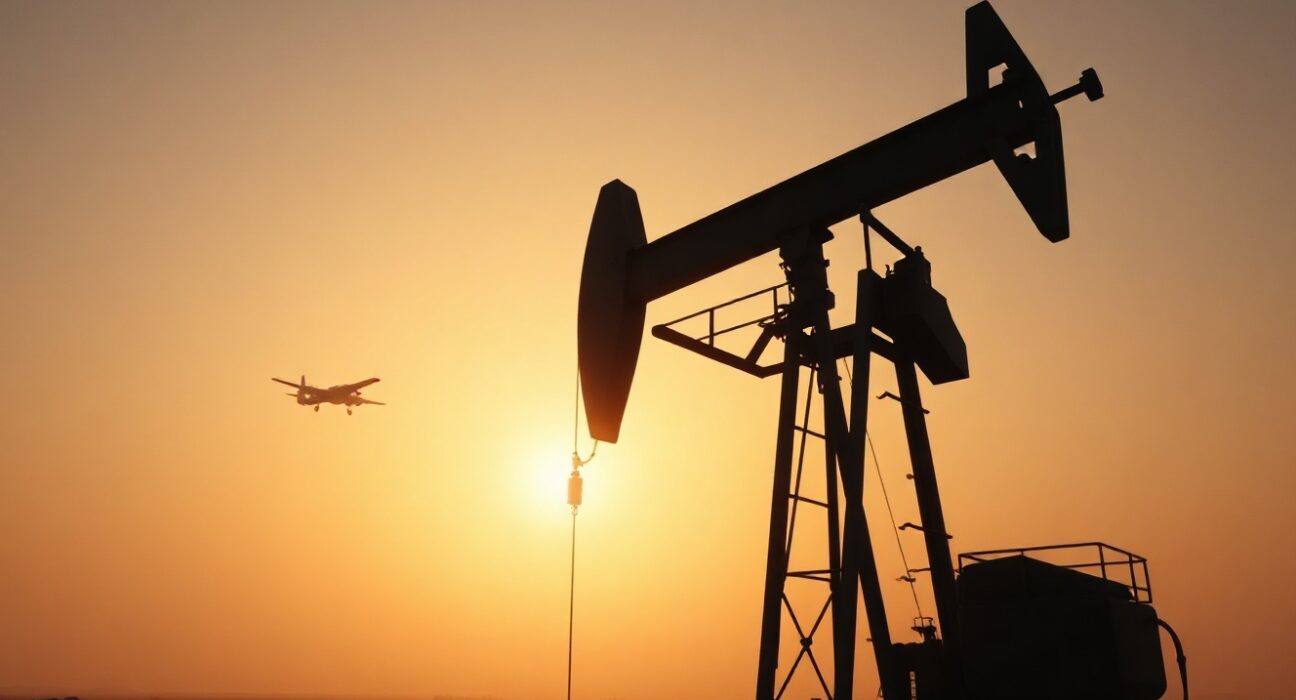
West Texas Intermediate (WTI) crude oil is trading near the $92.50 per barrel mark on Thursday, holding steady after a sharp rally driven by escalating military confrontations in the Middle East. The price level represents a multi-month high, as traders weigh the risk of supply disruptions from one of the world’s most strategically important oil-producing regions.
Geopolitical Risk Premium Returns to Oil Markets
The latest surge in WTI prices follows a series of military exchanges between Israel and Iran-aligned forces, raising fears of a broader regional conflict. Market participants are pricing in a heightened risk of supply interruptions, particularly if key chokepoints such as the Strait of Hormuz become involved. The strait handles roughly 20% of global oil transit, and any disruption there would have immediate and severe consequences for global crude supply.
While no physical supply has been halted yet, the psychological impact on traders is significant. The so-called geopolitical risk premium—an extra cost embedded in oil prices due to the possibility of future disruption—has expanded sharply over the past week. This premium is notoriously difficult to quantify but is visible in the options market, where implied volatility for WTI futures has climbed to levels not seen since the early stages of the Russia-Ukraine conflict.
Fundamental Factors Still at Play
Beyond geopolitics, the oil market is contending with a complex set of fundamentals. OPEC+ production cuts, led by Saudi Arabia and Russia, have tightened global supply throughout 2024 and into 2025. The cartel’s decision to extend voluntary cuts through the end of the first quarter has provided a floor under prices, even as demand growth in China and Europe has underwhelmed.
US crude inventories, as reported by the Energy Information Administration (EIA) earlier this week, showed a larger-than-expected drawdown, further supporting prices. However, domestic production remains near record levels above 13 million barrels per day, which limits the upside for WTI relative to international benchmarks like Brent.
What This Means for Consumers and the Broader Economy
Sustained oil prices above $90 per barrel have real-world consequences. For US drivers, the average national gasoline price has crept higher, adding pressure on household budgets. For the Federal Reserve, higher energy prices complicate the inflation fight, potentially delaying interest rate cuts that markets have been anticipating.
Analysts at major investment banks have begun revising their year-end oil price forecasts upward. Goldman Sachs recently raised its Brent price range by $5 per barrel, citing the elevated geopolitical risk. If the situation in the Middle East escalates further, a move above $100 per barrel is considered plausible by several market strategists, though such a scenario would likely trigger a demand-destructive response.
Conclusion
WTI crude oil’s hold near $92.50 reflects a market caught between tight fundamentals and an unpredictable geopolitical landscape. While no immediate supply disruption has occurred, the risk is real and rising. Traders, consumers, and policymakers alike are watching the region closely, knowing that any significant escalation could send oil prices sharply higher, with cascading effects on global inflation and economic growth.
FAQs
Q1: Why is WTI oil price rising despite no actual supply cuts?
The rise is driven by a geopolitical risk premium—traders are pricing in the possibility of future supply disruptions from the Middle East. The market is reacting to the potential, not just the reality, of supply loss.
Q2: How high could oil prices go if the conflict escalates?
If the Strait of Hormuz is disrupted or major production in Iran or Iraq is affected, analysts suggest WTI could quickly move above $100 per barrel. However, such a spike would likely be temporary as demand destruction and strategic reserve releases would follow.
Q3: Will higher oil prices affect US gasoline prices?
Yes. US gasoline prices are closely correlated with WTI crude. A sustained move above $90 per barrel typically translates to higher pump prices, adding to consumer inflation concerns.
Disclaimer: The information provided is not trading advice, Bitcoinworld.co.in holds no liability for any investments made based on the information provided on this page. We strongly recommend independent research and/or consultation with a qualified professional before making any investment decisions.
