

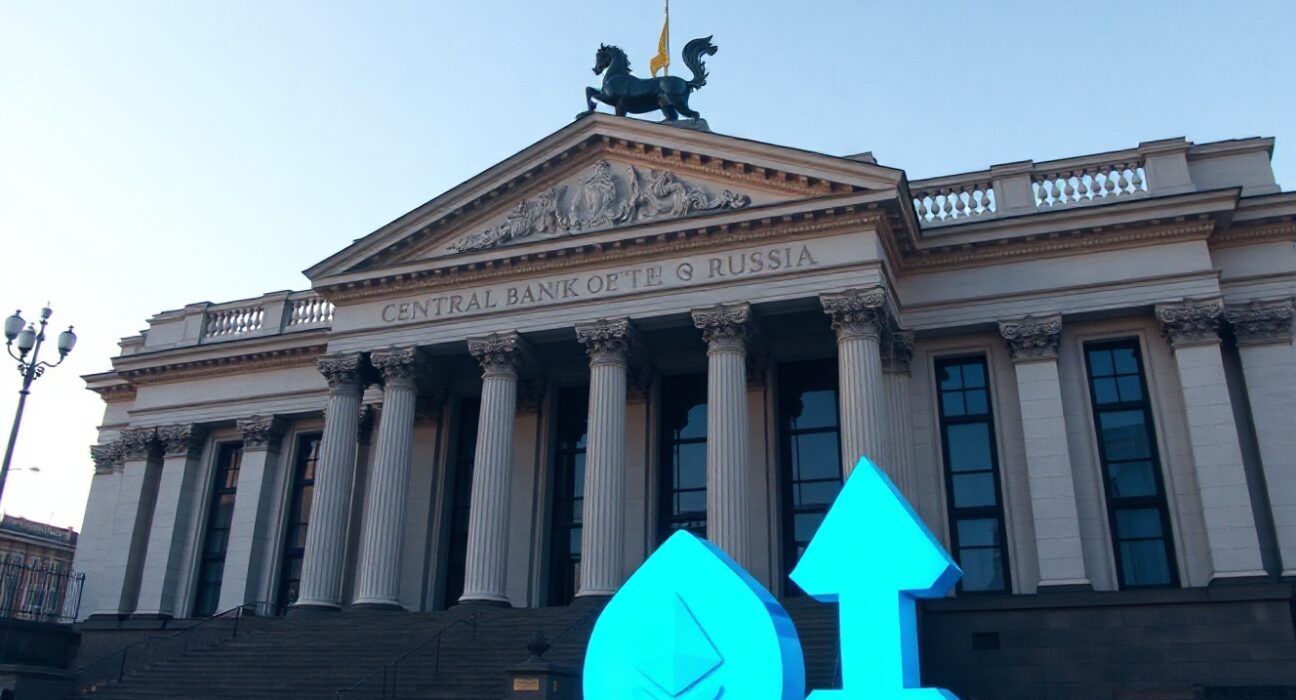
The Central Bank of Russia has confirmed that beginning July 1, it will restrict the cryptocurrencies available to general retail investors to only Bitcoin (BTC), Ethereum (ETH), and Tether (USDT). The measure, first reported by Crypto Briefing, marks a significant step in the country’s evolving approach to digital asset regulation.
New Rules for Non-Professional Investors
Under the upcoming framework, non-professional investors—defined as individuals without specialized financial market knowledge or experience—will face clear limits. They will be permitted to purchase up to 300,000 rubles (approximately $4,000) in crypto annually. Additionally, they must pass a mandatory risk assessment test before being allowed to invest. The test is designed to evaluate an individual’s understanding of the volatility and risks associated with cryptocurrency markets.
Treatment of Professional Investors
Professional investors, while still required to complete the same risk assessment test, will face fewer restrictions on both the types of assets they can buy and the amounts they can invest. The regulatory distinction between professional and non-professional investors aligns with existing frameworks in other global markets, where accredited or qualified investors are granted broader access to higher-risk assets.
Russia’s Broader Crypto Stance
It is important to note that Russia continues to recognize cryptocurrencies as a form of asset, not as legal tender. The use of digital currencies as a means of payment for goods and services remains prohibited. This position is consistent with the Central Bank’s long-standing caution toward crypto, which it has frequently warned could pose risks to financial stability and consumer protection.
Why This Matters
This regulatory move is part of a broader global trend where governments are seeking to balance innovation in digital finance with investor protection. By limiting retail access to only the most established and liquid cryptocurrencies—BTC, ETH, and USDT—the Russian authorities aim to reduce the risk of fraud and extreme volatility that often affects smaller or lesser-known tokens. For everyday Russian investors, the annual cap of $4,000 may seem modest, but it reflects a cautious approach that prioritizes safety over speculative freedom.
Conclusion
As Russia implements these new restrictions from July 1, the global crypto community will be watching closely. The move could influence how other emerging economies approach retail crypto regulation. For now, Russian retail investors face a clearer but more limited path into digital assets, with the Central Bank firmly in control of the guardrails.
FAQs
Q1: Which cryptocurrencies can retail investors in Russia buy after July 1?
Only Bitcoin (BTC), Ethereum (ETH), and Tether (USDT) will be available to non-professional investors.
Q2: What is the annual investment limit for non-professional investors?
The limit is set at 300,000 rubles, which is roughly equivalent to $4,000.
Q3: Can cryptocurrencies be used for payments in Russia?
No. Russia recognizes crypto as an asset but prohibits its use as a means of payment for goods and services.
Disclaimer: The information provided is not trading advice, Bitcoinworld.co.in holds no liability for any investments made based on the information provided on this page. We strongly recommend independent research and/or consultation with a qualified professional before making any investment decisions.
