

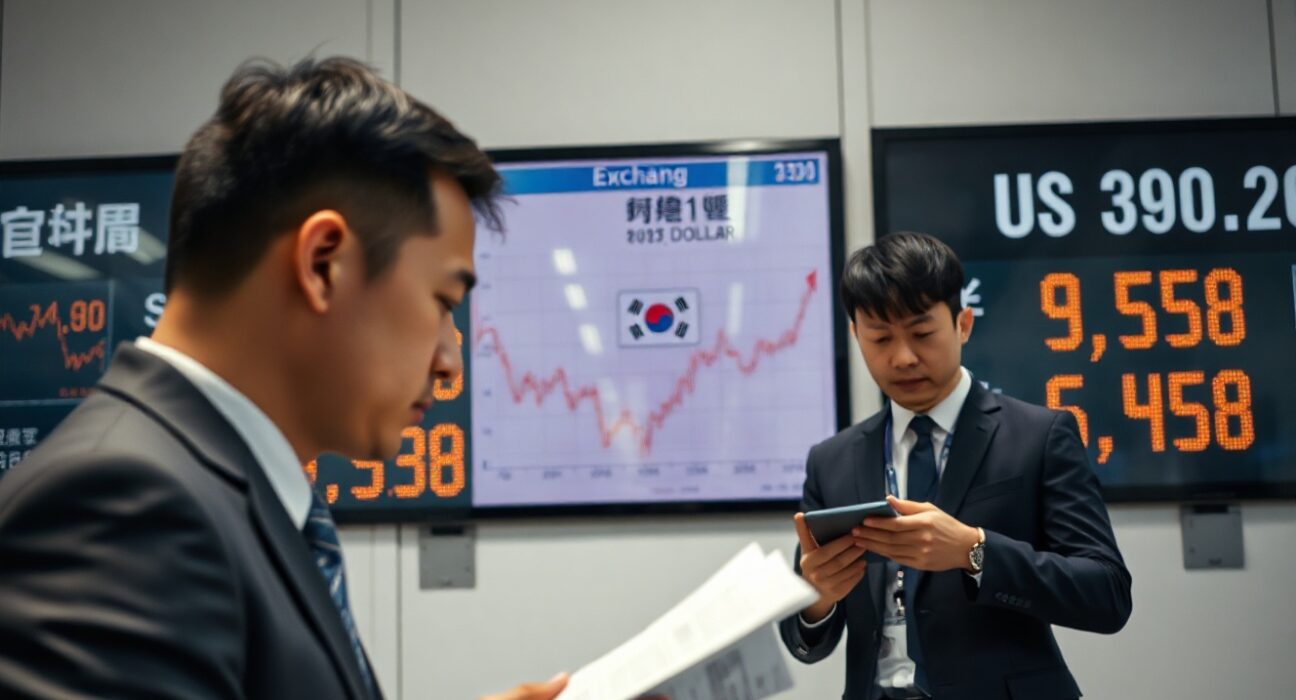
The South Korean authorities are stepping up their oversight of the foreign exchange market in a bid to curb excessive volatility in the won, according to analysts at Commerzbank. The move comes as the Korean currency continues to face pressure from a broadly stronger US dollar and persistent geopolitical uncertainties in the region.
Why tighter FX oversight matters now
Commerzbank strategists note that the won has been one of the more volatile Asian currencies this year, driven by a combination of external headwinds and domestic policy challenges. The Bank of Korea and the Ministry of Economy and Finance have both signaled a more proactive stance on managing currency fluctuations, including verbal interventions and adjustments to forward-looking guidance.
The analysts argue that these measures are not aimed at targeting a specific exchange rate level, but rather at smoothing disorderly market moves that could destabilize the broader economy. South Korea is heavily reliant on trade, making a stable won crucial for both exporters and importers.
Market context and investor implications
The won has weakened against the dollar in recent months, reflecting the Federal Reserve’s prolonged tightening cycle and risk aversion in global markets. Commerzbank points out that while tighter oversight may provide short-term support, structural factors such as the US interest rate differential and capital flows will remain the primary drivers of the won’s trajectory.
For investors, the key takeaway is that South Korea is unlikely to abandon its market-determined exchange rate system. Instead, the authorities are likely to use a mix of moral suasion, liquidity management, and occasional direct intervention to prevent sharp swings. This approach is broadly consistent with the country’s history of managed floating exchange rate policy.
What this means for the won outlook
Commerzbank expects the won to remain under pressure in the near term, but sees the increased oversight as a stabilizing factor that reduces the risk of a disorderly selloff. The analysts recommend that clients monitor policy statements from Seoul and any changes in the Bank of Korea’s forward guidance as key signals for the currency’s direction.
Conclusion
South Korea’s tighter FX oversight reflects a pragmatic response to current market conditions. While it may not reverse the won’s weakness against the dollar, it provides a backstop against excessive volatility. For market participants, understanding the nuances of this policy approach is essential for navigating the currency landscape in the months ahead.
FAQs
Q1: Why is South Korea tightening FX oversight now?
The won has experienced significant volatility due to a strong US dollar and geopolitical risks. The authorities aim to prevent disorderly market moves that could harm the trade-dependent economy.
Q2: Will this intervention weaken or strengthen the won?
The measures are designed to reduce volatility, not to target a specific exchange rate. The won’s direction will still depend on global factors like the Fed’s policy and risk sentiment.
Q3: How does this affect foreign investors in South Korea?
Foreign investors should expect a more predictable currency environment, but also watch for sudden policy shifts. The long-term trend remains tied to interest rate differentials and capital flows.
Disclaimer: The information provided is not trading advice, Bitcoinworld.co.in holds no liability for any investments made based on the information provided on this page. We strongly recommend independent research and/or consultation with a qualified professional before making any investment decisions.
