

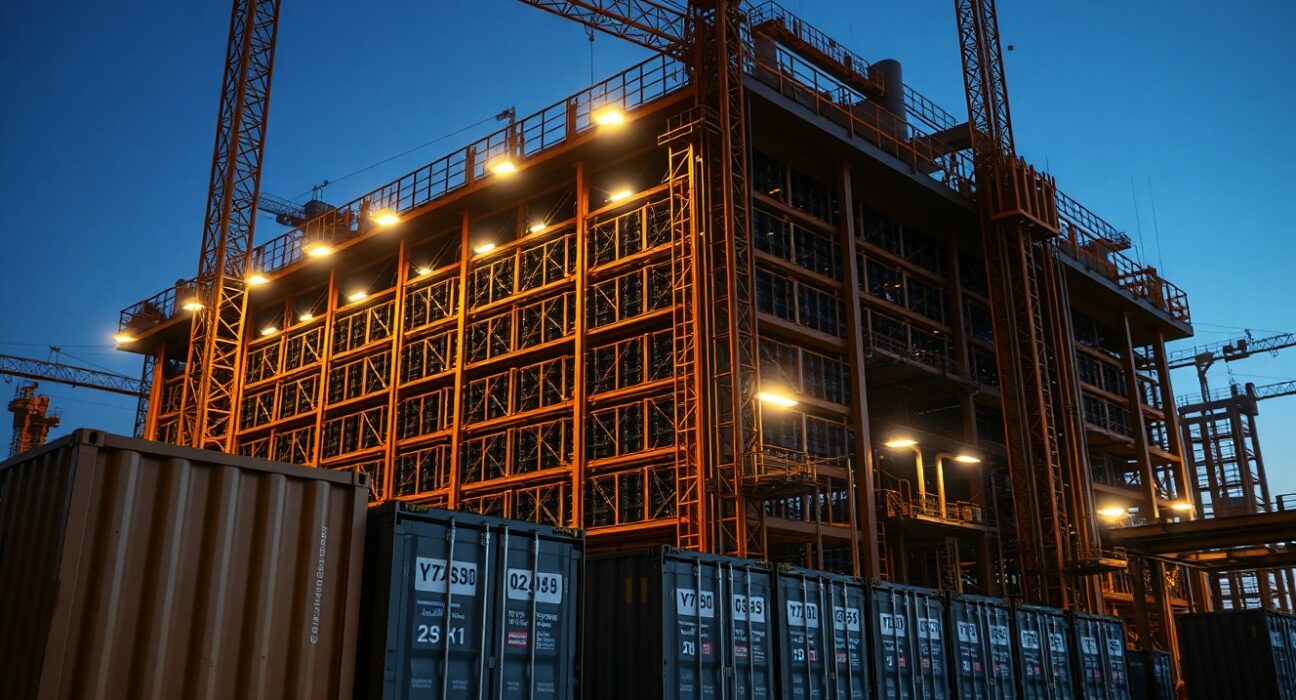
The rapid expansion of artificial intelligence infrastructure is generating significant, yet often overlooked, demand in global foreign exchange markets, as data center construction and operation require massive imports of specialized equipment and energy resources. This trend is reshaping currency flows in ways that market participants are only beginning to fully understand.
The Link Between AI Buildout and Currency Markets
AI infrastructure projects, including data centers and the associated power generation facilities, are capital-intensive and heavily reliant on imported components. These include advanced semiconductors, cooling systems, and specialized construction materials, all of which are typically sourced from a handful of countries. As a result, the surge in AI-related spending is translating into increased demand for the currencies of those exporting nations, while also putting pressure on the currencies of importing countries.
According to industry estimates, global spending on AI infrastructure is projected to exceed $200 billion annually by 2025, with a significant portion allocated to cross-border transactions. This has led to a measurable uptick in trade-related currency flows, particularly in the Asia-Pacific region, where many key suppliers are based.
Energy Imports: The Overlooked Driver
Beyond hardware, the energy demands of AI data centers are creating a secondary, yet substantial, FX impact. Data centers require enormous amounts of electricity, and in many regions, this power is generated using imported natural gas or other fuels. The need to purchase these energy commodities on global markets introduces another layer of currency conversion, further amplifying the hidden FX demand.
For example, countries like Japan and South Korea, which are major hubs for AI infrastructure but lack domestic energy resources, are seeing increased demand for the US dollar to facilitate energy imports. This dynamic is contributing to currency volatility in these regions, as central banks and corporations adjust to the new flow patterns.
Market Implications and Investor Considerations
For institutional investors and corporate treasurers, understanding these hidden FX flows is becoming essential for managing risk. The AI-driven demand is not only affecting spot exchange rates but also influencing forward curves and options pricing. Companies involved in AI supply chains are increasingly using hedging strategies to mitigate currency exposure, which in turn adds depth and liquidity to FX markets.
Moreover, the trend is likely to persist as AI adoption continues to grow. Analysts at major banks have noted that the FX impact of AI infrastructure is still underappreciated, and they expect it to become a more prominent factor in currency market analysis over the next few years.
Conclusion
In summary, the buildout of AI infrastructure is creating a new and significant source of foreign exchange demand, driven by both equipment imports and energy purchases. This trend has important implications for currency markets, corporate risk management, and global trade patterns. As AI investments continue to accelerate, market participants will need to monitor these hidden FX flows closely to stay ahead of currency movements.
FAQs
Q1: How does AI infrastructure affect FX markets?
AI infrastructure projects require massive imports of specialized equipment and energy resources, leading to increased demand for the currencies of exporting countries and creating new currency flow patterns that impact exchange rates.
Q2: Why is the FX demand from AI infrastructure considered ‘hidden’?
The FX demand is often not immediately visible because it is spread across multiple supply chains and energy purchases, rather than being concentrated in a single, easily tracked transaction. This makes it easy for market participants to overlook.
Q3: Which currencies are most affected by AI infrastructure demand?
Currencies of major technology exporters like the US dollar, Chinese yuan, and South Korean won are likely to see increased demand, while currencies of countries that rely heavily on energy imports for data centers may experience depreciation pressure.
Disclaimer: The information provided is not trading advice, Bitcoinworld.co.in holds no liability for any investments made based on the information provided on this page. We strongly recommend independent research and/or consultation with a qualified professional before making any investment decisions.
