

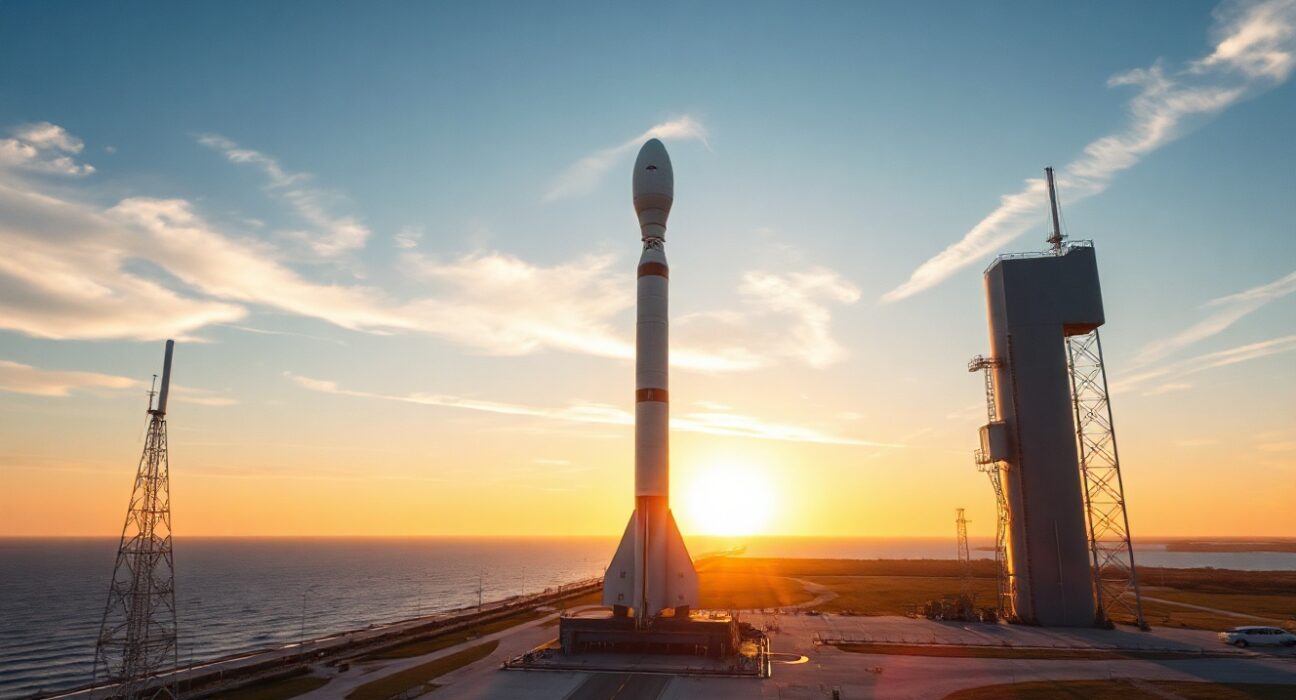
SpaceX has officially priced its initial public offering at $135 per share, raising $75 billion and securing its place as the largest IPO in history. The company, formally known as Space Exploration Technologies Corp., will begin trading on the Nasdaq under the ticker symbol SPCX on Friday.
A historic public debut
The offering of 555.6 million shares eclipses the previous record set by Saudi Aramco, which raised $24.9 billion in its 2019 IPO. At the offering price, SpaceX is valued at approximately $75 billion on a primary basis, though market demand could push the valuation higher in secondary trading. Underwriters have the option to sell an additional 83.3 million shares, which could raise an extra $11 billion if exercised.
Market expectations and investor interest
Anecdotal reports indicate strong demand from both institutional and retail investors. Crypto betting platform Hyperliquid, which offers synthetic exposure to SpaceX stock, currently prices shares at $167, suggesting expectations of a roughly 20% first-day pop. If realized, that would be a classic IPO surge, though actual performance will depend on market conditions when trading opens.
What this means for Elon Musk
At the IPO price, Elon Musk’s stake in SpaceX is valued at tens of billions of dollars, moving him closer to becoming the world’s first trillionaire. However, the company faces significant long-term challenges in justifying its valuation, including ambitious engineering projects such as the Starship rocket, Starlink satellite internet, and a new domestic chip fabrication facility.
Broader implications for the space industry
The IPO marks a milestone for the private space sector, demonstrating that investors see long-term value in space exploration and technology. SpaceX’s success could pave the way for other space companies to go public, though the high valuation raises questions about profitability and the timeline for returns on massive capital expenditures.
Conclusion
SpaceX’s IPO is a landmark event, setting records and drawing intense investor interest. While the first-day trading will be closely watched, the company’s long-term success will depend on executing its ambitious engineering roadmap and generating sustainable revenue from its various ventures. This story is developing and will be updated as more information becomes available.
FAQs
Q1: How does SpaceX’s IPO compare to other large IPOs?
SpaceX’s $75 billion raise is three times larger than Saudi Aramco’s $24.9 billion IPO in 2019, making it the largest in history. It surpasses Alibaba’s $25 billion IPO in 2014 and SoftBank’s $23.5 billion listing in 2018.
Q2: What ticker symbol will SpaceX trade under?
SpaceX will trade on the Nasdaq under the ticker symbol SPCX. Trading is expected to begin on Friday.
Q3: What are the key risks for SpaceX as a public company?
Key risks include the high cost of its engineering projects (Starship, Starlink, chip fab), potential delays in regulatory approvals, competition from other space companies, and the need to demonstrate consistent profitability to justify its valuation.
Disclaimer: The information provided is not trading advice, Bitcoinworld.co.in holds no liability for any investments made based on the information provided on this page. We strongly recommend independent research and/or consultation with a qualified professional before making any investment decisions.
