

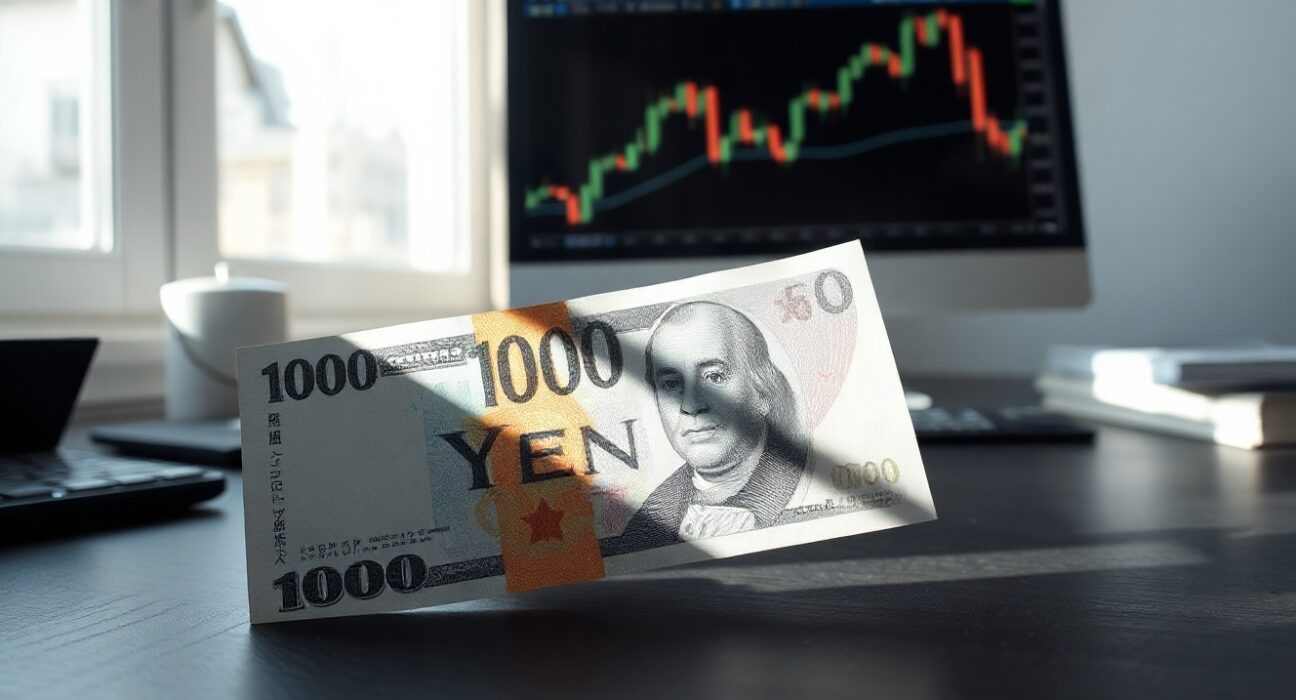
The Japanese yen traded in a narrow range against the US dollar on Thursday, struggling for direction as two powerful crosscurrents pulled the currency in opposite directions. Hopes of a diplomatic breakthrough between the United States and Iran weighed on safe-haven demand for the yen, while growing expectations that the Bank of Japan (BoJ) will raise interest rates again provided a floor under the currency.
US-Iran Deal Talks Weigh on Safe-Haven Yen
Reports emerged earlier this week that the US and Iran are engaged in indirect negotiations mediated by Oman, raising the possibility of a new agreement on Tehran’s nuclear program. Markets interpreted the development as a de-escalation of geopolitical risk in the Middle East, reducing the immediate need for safe-haven assets like the yen. The dollar, meanwhile, found modest support from the improved sentiment, though gains were capped by the prospect of lower oil prices if Iranian crude returns to global markets.
BoJ Rate Hike Expectations Provide a Counterweight
Offsetting the geopolitical drag on the yen was a fresh wave of speculation that the BoJ will deliver another rate increase at its upcoming policy meeting. Recent comments from BoJ board members have emphasized that underlying inflation remains above the central bank’s 2% target, and that wage growth is broadening across the economy. Market pricing now reflects a roughly 55% probability of a 25-basis-point hike in June, up from 40% a week ago. A higher yield premium on Japanese government bonds relative to US Treasuries would make yen-denominated assets more attractive, providing a natural bid for the currency.
Technical Picture: USD/JPY Stuck in a Tight Range
From a technical perspective, USD/JPY has been oscillating between the 151.00 and 153.00 levels for the past two weeks, unable to break out decisively in either direction. The 50-day moving average sits near 152.20, acting as a pivot point. A sustained move above 153.50 would open the door toward 155.00, while a break below 150.80 could trigger a test of the 149.50 support zone. The flat price action reflects the market’s indecision as traders weigh these conflicting fundamental drivers.
What This Means for Traders and the Broader Market
The stalemate in USD/JPY highlights a broader tension in global currency markets: the fading of geopolitical risk premiums is being met by shifting monetary policy expectations. For traders, the key variable in the near term is the BoJ’s communication. Any explicit signal that a rate hike is imminent would likely push the yen higher, overriding the safe-haven outflows. Conversely, a collapse in US-Iran talks could reignite geopolitical fears and strengthen the yen’s safe-haven bid. The market is essentially waiting for a catalyst to break the deadlock.
Conclusion
The Japanese yen’s flat performance against the dollar reflects a genuine tug-of-war between easing geopolitical tensions and tightening monetary policy expectations in Japan. Neither force has yet proven dominant, leaving USD/JPY in a holding pattern. Traders should watch for any new developments in US-Iran diplomacy or further hawkish signals from the BoJ as the next likely triggers for a directional move.
FAQs
Q1: Why does a US-Iran deal affect the Japanese yen?
A: The yen is a traditional safe-haven currency. When geopolitical tensions ease, demand for safe-haven assets tends to decline, putting downward pressure on the yen. A US-Iran deal would reduce Middle East risk premiums, reducing the need for yen exposure.
Q2: How would a BoJ rate hike impact USD/JPY?
A: A rate hike by the Bank of Japan would increase the yield on Japanese government bonds, making yen-denominated investments more attractive relative to US dollar assets. This typically leads to yen appreciation and a lower USD/JPY exchange rate.
Q3: What is the current outlook for the Japanese yen?
A: The near-term outlook is highly dependent on two factors: the trajectory of US-Iran diplomacy and the timing of the BoJ’s next rate move. Until one of these factors becomes clearer, the yen is likely to remain range-bound against the dollar.
Disclaimer: The information provided is not trading advice, Bitcoinworld.co.in holds no liability for any investments made based on the information provided on this page. We strongly recommend independent research and/or consultation with a qualified professional before making any investment decisions.
