

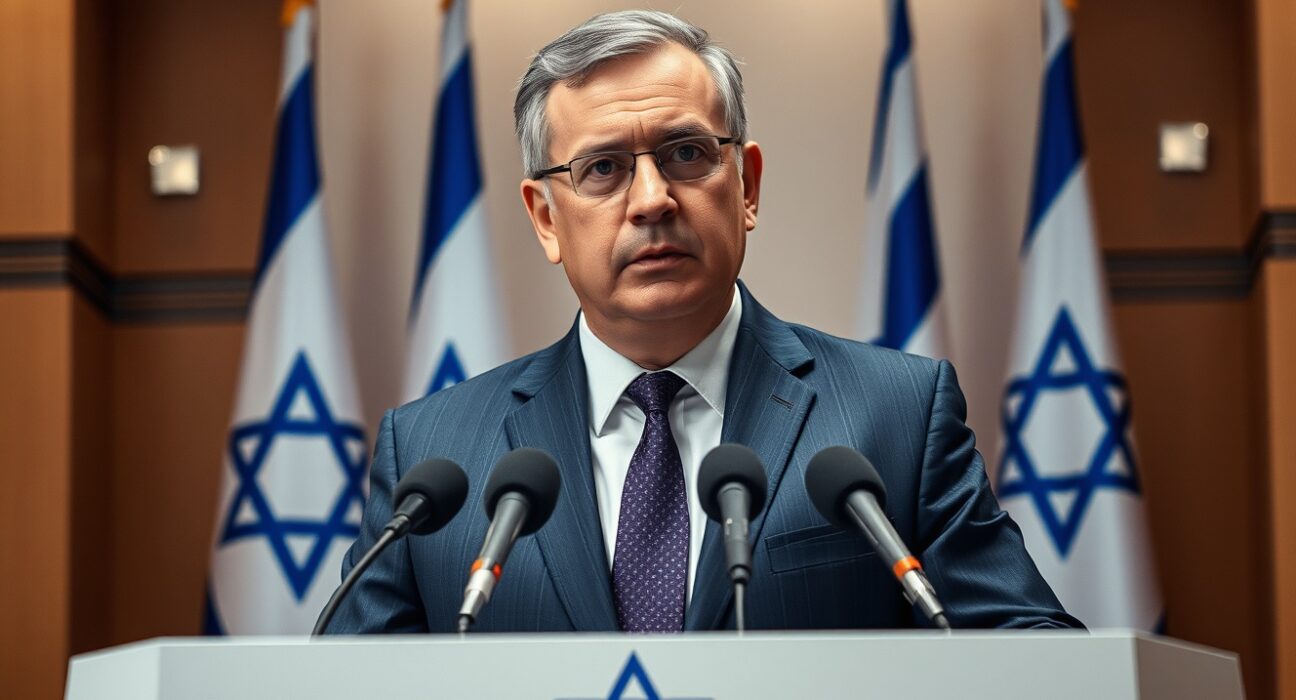
Israel’s National Security Minister, Itamar Ben Gvir, has declared that the Israeli government is not bound by any potential nuclear agreement between Iran and the United States. The statement, made during a press briefing in Jerusalem, signals a hardening of Israel’s stance on the ongoing diplomatic efforts to curb Tehran’s nuclear program.
Ben Gvir’s Position on the Iran Deal
Speaking to reporters, Ben Gvir emphasized that Israel retains full sovereignty over its security decisions and will not consider itself constrained by international agreements it did not sign. “We are not a party to these talks, and we are not obligated by their outcomes,” he said. The minister’s remarks come as the US and Iran engage in indirect negotiations mediated by European and Gulf states, with the goal of reviving elements of the 2015 Joint Comprehensive Plan of Action (JCPOA).
Implications for Regional Security
Ben Gvir’s declaration adds a new layer of complexity to an already volatile situation. Israel has long opposed the JCPOA, arguing that it fails to address Iran’s ballistic missile program and regional proxy activities. The current government, considered the most right-wing in Israeli history, has consistently advocated for a more aggressive posture toward Iran. Analysts suggest that Ben Gvir’s comments could strain US-Israel relations, particularly if a deal is reached and Washington expects Israeli cooperation.
Why This Matters for the Broader Middle East
The Israeli stance could embolden other regional actors, such as Saudi Arabia and the UAE, to reassess their own positions on a potential deal. It also raises the risk of unilateral Israeli military action against Iranian nuclear facilities, a scenario that US officials have repeatedly warned against. For markets and investors, the uncertainty surrounding the nuclear talks and Israel’s position may contribute to volatility in energy prices and regional security premiums.
Conclusion
Ben Gvir’s unequivocal rejection of any Iran-US deal underscores the deep divisions between Israel and the Biden administration on how to handle Tehran. As negotiations continue, the international community will be watching closely to see whether diplomatic channels can accommodate Israel’s security concerns or if the region moves closer to confrontation.
FAQs
Q1: What did Itamar Ben Gvir say about the Iran-US deal?
He stated that Israel is not bound by any agreement between Iran and the United States, emphasizing Israel’s right to act independently on security matters.
Q2: Why does Israel oppose the Iran nuclear deal?
Israel argues that the 2015 JCPOA and any potential revival do not adequately address Iran’s ballistic missile program, support for militant groups, or its regional aggression.
Q3: Could this affect US-Israel relations?
Yes, Ben Gvir’s hardline position may create friction with the Biden administration, which is pursuing a diplomatic resolution and has urged Israel to avoid actions that could derail negotiations.
Disclaimer: The information provided is not trading advice, Bitcoinworld.co.in holds no liability for any investments made based on the information provided on this page. We strongly recommend independent research and/or consultation with a qualified professional before making any investment decisions.
