

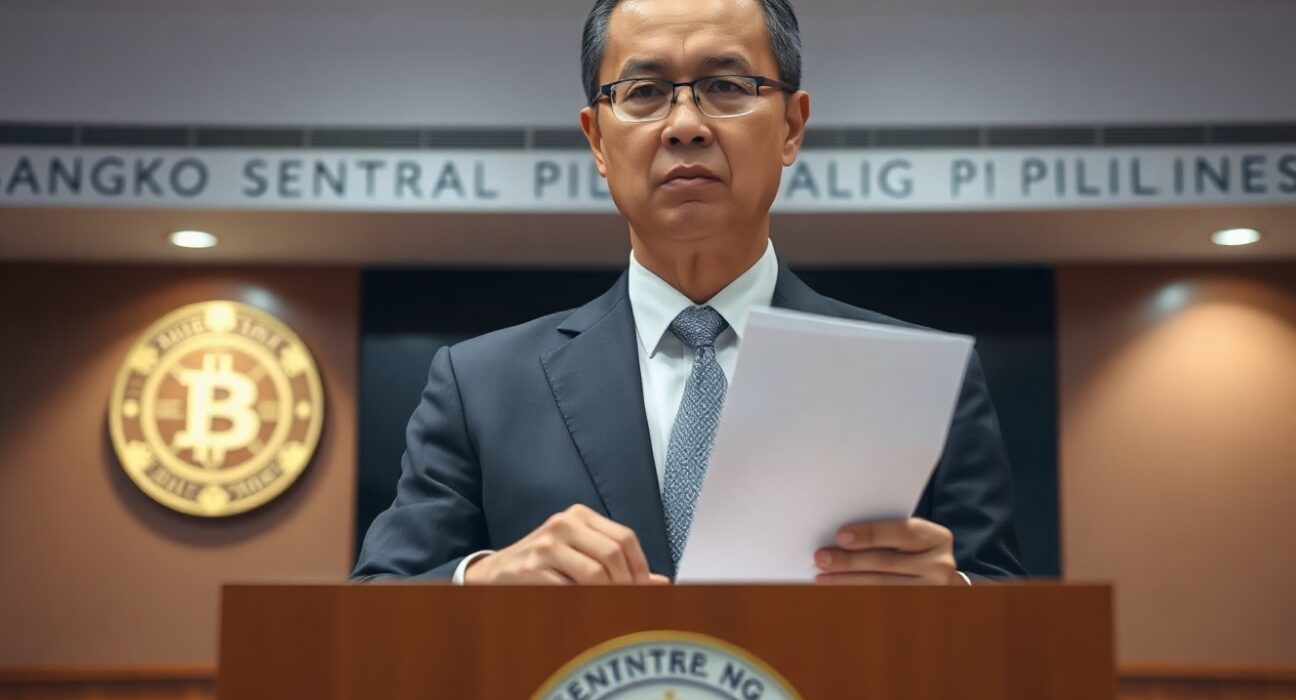
The Bangko Sentral ng Pilipinas (BSP), the Philippines’ central bank, has issued a sweeping ban on the listing and trading of privacy-focused cryptocurrencies, including Monero (XMR) and Zcash (ZEC). The move, which took immediate effect, is part of a broader regulatory crackdown aimed at curbing money laundering and other illicit financial activities within the country’s digital asset ecosystem.
New Guidelines for Virtual Asset Service Providers
The BSP has released new, stringent guidelines governing how local Virtual Asset Service Providers (VASPs) must evaluate and monitor digital tokens. Under the updated framework, all licensed crypto exchanges in the Philippines are now required to implement a robust due diligence and certification process before listing any new cryptocurrency. This process must include a thorough assessment of potential threats to financial stability and a verification of consumer protection mechanisms.
The central bank’s directive specifically targets privacy coins, which utilize advanced cryptographic techniques to obscure transaction details, including sender, receiver, and amount. Regulators globally have long raised concerns that these features make such assets particularly attractive for money laundering, terrorist financing, and sanctions evasion. The Philippines’ decision aligns with a growing international trend; jurisdictions like Japan and South Korea have previously taken similar steps to restrict or ban privacy coins.
Mandatory Delisting Triggers for Exchanges
The new regulations also introduce mandatory delisting thresholds for exchanges. Licensed platforms must immediately remove a token from trading if it encounters specific adverse events. These triggers include:
- Significant depletion of the token’s liquidity
- Bankruptcy or insolvency of the token’s issuer or foundation
- Involvement in a confirmed scam or fraudulent scheme
- A stablecoin depegging from its fiat currency
- Major security breaches or hacks affecting the token’s network
- False or misleading disclosures by the project team
These measures are designed to protect retail investors and maintain the integrity of the Philippine financial system. By mandating proactive monitoring and swift action, the BSP aims to prevent the kind of systemic shocks seen in other markets following high-profile crypto collapses.
Impact on Philippine Crypto Users and Exchanges
The immediate effect of the ban is that Filipino users on licensed local exchanges will no longer be able to buy, sell, or trade Monero, Zcash, or any other tokens classified as privacy coins. This could push some users toward decentralized exchanges (DEXs) or unregulated peer-to-peer platforms, a challenge regulators will need to address. For licensed VASPs, the new rules mean a significant increase in compliance costs and operational complexity. Exchanges must now continuously monitor their listed assets against the BSP’s criteria and be prepared to execute rapid delistings.
Conclusion
The Philippines’ decisive action against privacy coins marks a significant escalation in its regulatory approach to cryptocurrencies. While the move aims to enhance financial security and align with international anti-money laundering standards, it also raises questions about financial privacy and the future of decentralized digital cash. The BSP’s new guidelines are likely to serve as a template for other regulators in the region, reinforcing the global trend toward tighter oversight of the crypto industry.
FAQs
Q1: What exactly are privacy coins?
Privacy coins like Monero and Zcash use advanced cryptography to hide transaction details, such as the sender’s address, recipient’s address, and the amount transferred. This makes them different from transparent blockchains like Bitcoin, where all transactions are publicly visible.
Q2: Why did the Philippines ban them?
The Bangko Sentral ng Pilipinas banned them due to the high risk of money laundering and other illicit financial activities. Because transactions are untraceable, these coins can be easily used to move funds without detection by authorities.
Q3: What should Filipino crypto users do now?
Users holding Monero or Zcash on licensed Philippine exchanges should withdraw their funds to a private wallet that they control. They will no longer be able to trade these assets on regulated platforms. It is important to stay informed about the new regulations and ensure compliance with local laws.
Disclaimer: The information provided is not trading advice, Bitcoinworld.co.in holds no liability for any investments made based on the information provided on this page. We strongly recommend independent research and/or consultation with a qualified professional before making any investment decisions.
