

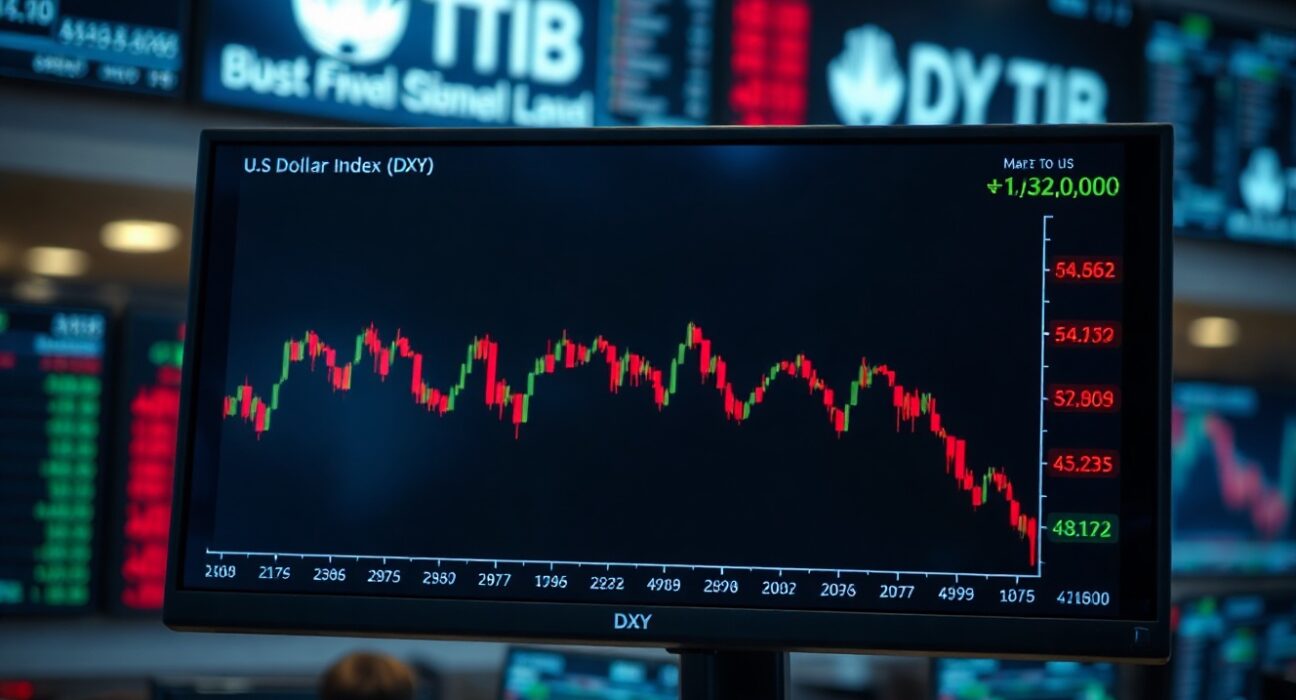
The US Dollar Index (DXY) weakened to near 99.50 on [date], as traders pushed back expectations for further Federal Reserve rate hikes, reflecting a shift in market sentiment toward the greenback.
What’s Driving the Dollar’s Decline?
The dollar’s slide comes as investors reassess the Fed’s policy trajectory, with recent economic data suggesting that inflationary pressures may be cooling more than previously anticipated. This has led to a reduction in bets on additional rate increases, which typically support the dollar by attracting yield-seeking capital.
Additionally, softer-than-expected jobs or inflation figures, if any, could have reinforced the view that the Fed might pause its tightening cycle. However, without specific data points provided in the source, it’s important to note that the exact trigger for the move remains unclear.
Implications for Global Markets
A weaker dollar can have ripple effects across global markets. It often provides relief for emerging market currencies and commodities priced in dollars, such as oil and gold, as they become cheaper for holders of other currencies. Conversely, it may pressure US multinationals that rely on overseas earnings, which are translated back into dollars at a less favorable rate.
For traders and investors, the movement in the DXY is a key indicator of risk appetite and monetary policy expectations. A sustained decline could signal a broader shift in market dynamics, potentially affecting portfolio allocations and hedging strategies.
What Should Investors Watch Next?
Market participants will be closely monitoring upcoming Federal Reserve communications and economic data releases for further clues on policy direction. Key indicators include the Consumer Price Index (CPI), employment reports, and any speeches by Fed officials. These will likely determine whether the dollar’s weakness is a temporary correction or the start of a longer-term trend.
Conclusion
As of [date], the US Dollar Index trading near 99.50 reflects a market adjusting to changing Fed rate expectations. While the immediate cause appears to be a recalibration of rate hike bets, the broader implications for global markets and investor strategy are significant. Staying informed on upcoming data and Fed commentary will be essential for navigating the evolving landscape.
FAQs
Q1: What is the US Dollar Index (DXY)?
The US Dollar Index (DXY) measures the value of the US dollar relative to a basket of six major foreign currencies: the euro, Japanese yen, British pound, Canadian dollar, Swedish krona, and Swiss franc. It is a widely used benchmark for the dollar’s strength in global markets.
Q2: How does a weaker dollar affect global trade?
A weaker dollar makes US exports cheaper for foreign buyers, potentially boosting American manufacturing and exports. However, it also raises the cost of imported goods for US consumers, which can contribute to inflationary pressures.
Q3: Why do Fed rate hike expectations influence the dollar?
Higher interest rates tend to attract foreign investment, increasing demand for the dollar and strengthening its value. When traders expect fewer rate hikes, the dollar often weakens as the yield advantage narrows.
Disclaimer: The information provided is not trading advice, Bitcoinworld.co.in holds no liability for any investments made based on the information provided on this page. We strongly recommend independent research and/or consultation with a qualified professional before making any investment decisions.
