

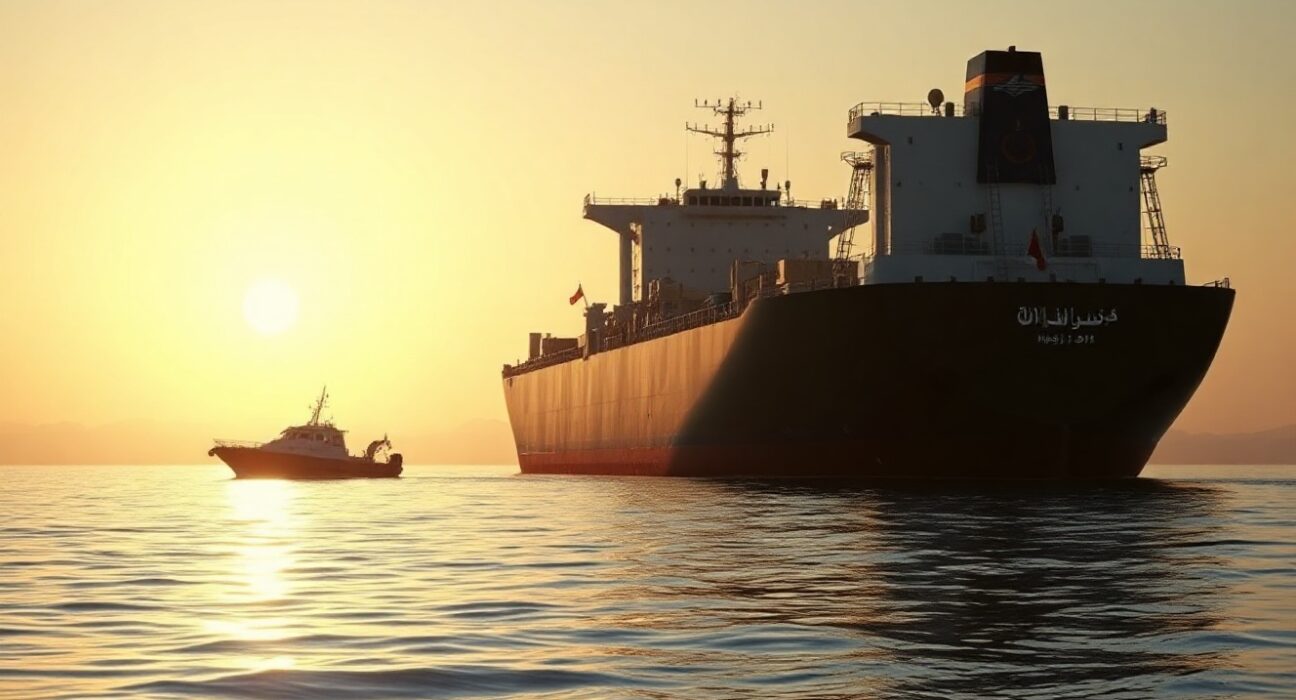
The euro ticked higher against the US dollar on Tuesday, approaching the 1.1600 level, as reports emerged of a diplomatic agreement between the United States and Iran regarding maritime security in the Strait of Hormuz. The development eased some geopolitical risk premiums in currency and oil markets, lending support to risk-sensitive currencies like the euro.
Geopolitical backdrop and market reaction
The Strait of Hormuz, a narrow waterway connecting the Persian Gulf to the Gulf of Oman, is a critical chokepoint for global oil shipments. Tensions in the region have periodically spiked, threatening supply routes and boosting demand for safe-haven assets such as the US dollar and gold. The reported US-Iran deal, which aims to reduce the risk of naval confrontations, was seen as a positive step toward stabilizing the region.
Currency traders responded by trimming long-dollar positions, allowing the euro to recover from recent lows. The EUR/USD pair rose to around 1.1585 in early European trading, edging closer to the psychologically important 1.1600 mark. However, gains remained modest as broader market sentiment remained cautious ahead of key economic data releases later in the week.
Impact on oil prices and broader markets
Oil prices initially fell on the news, with Brent crude slipping below $75 per barrel, as the reduced threat of supply disruption weighed on prices. Lower oil prices can be beneficial for the euro area, which is a net importer of energy, as it reduces inflationary pressures and supports consumer spending. This dynamic likely contributed to the euro’s modest uptick.
What this means for traders and investors
The euro’s move toward 1.1600 should be viewed in the context of a broader geopolitical shift rather than a fundamental change in monetary policy outlook. The European Central Bank remains on a tightening path, but the pace of rate hikes is expected to slow as the eurozone economy shows signs of weakening. Meanwhile, the Federal Reserve is also nearing the end of its tightening cycle, narrowing the interest rate differential between the two currencies.
For forex traders, the 1.1600 level is a near-term resistance point. A sustained break above it could open the door to further gains, particularly if additional positive geopolitical headlines emerge. However, any escalation in US-Iran tensions or a surprise deterioration in eurozone economic data could quickly reverse the move.
Conclusion
The euro’s modest rise toward 1.1600 reflects a market cautiously optimistic about a diplomatic resolution in the Strait of Hormuz. While the deal has reduced some immediate geopolitical risk, the currency pair remains influenced by broader macroeconomic factors and central bank policy expectations. Traders should monitor both geopolitical developments and upcoming economic data for clearer directional signals.
FAQs
Q1: Why did the euro rise against the dollar?
The euro rose on reports of a US-Iran deal to reduce tensions in the Strait of Hormuz, which lowered demand for safe-haven assets like the US dollar and supported risk-sensitive currencies.
Q2: What is the Strait of Hormuz and why does it matter?
The Strait of Hormuz is a narrow waterway between the Persian Gulf and the Gulf of Oman. About 20% of the world’s oil passes through it, making it a critical chokepoint for global energy supply.
Q3: Could the euro break above 1.1600?
It is possible if further positive geopolitical news emerges or if eurozone economic data surprises to the upside. However, resistance at 1.1600 is strong, and a failure to break above it could lead to a pullback.
Disclaimer: The information provided is not trading advice, Bitcoinworld.co.in holds no liability for any investments made based on the information provided on this page. We strongly recommend independent research and/or consultation with a qualified professional before making any investment decisions.
