

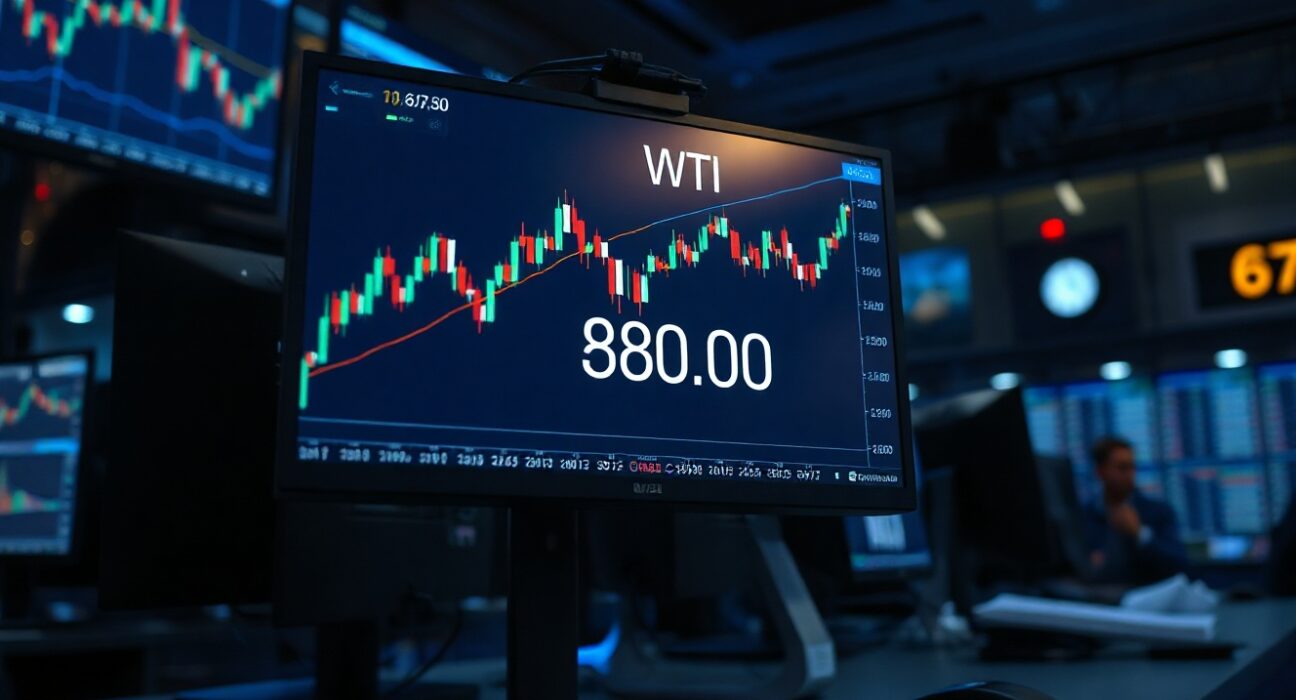
West Texas Intermediate (WTI) crude oil futures hovered near the $80 per barrel mark on Monday, as traders remained cautious ahead of the next round of diplomatic talks between the United States and Iran. The price action reflects a market caught between supply-side risks and broader macroeconomic uncertainty.
Market Context and Price Drivers
WTI has oscillated in a tight range around $80 in recent sessions, with gains capped by concerns over global demand and a stronger US dollar. However, the prospect of renewed negotiations between Washington and Tehran has introduced a fresh geopolitical variable into the crude oil equation. Any progress toward a new nuclear agreement could potentially lead to the lifting of sanctions on Iranian oil exports, adding an estimated 1 to 1.5 million barrels per day to global supply.
Analysts at several energy research firms note that the market is currently pricing in a low probability of a swift deal, but the mere possibility is enough to keep bullish momentum in check. The situation remains fluid, with both sides signaling willingness to engage but also setting firm red lines.
Broader Implications for Oil Markets
The outcome of the US-Iran talks carries significant weight for global oil balances. If sanctions relief materializes, the additional Iranian barrels could help offset production cuts from OPEC+ and ease supply tightness that has supported prices above $70 for much of the year. Conversely, a breakdown in negotiations could reignite geopolitical risk premiums, pushing WTI back toward recent highs above $85.
What This Means for Traders and Consumers
For short-term traders, the $80 level serves as a psychological and technical pivot. A sustained break above $82 could signal renewed bullish momentum, while a drop below $78 might open the door to further downside. For consumers, stable or slightly lower crude prices could translate into modest relief at the pump, though retail gasoline prices remain influenced by refinery margins and regional factors.
Conclusion
WTI crude oil remains in a holding pattern near $80 as the market awaits clearer signals from the US-Iran diplomatic track. The coming days are likely to bring increased volatility as traders parse headlines from the talks and adjust positions accordingly. Investors should monitor both official statements and secondary reports for indications of progress or stalemate.
FAQs
Q1: Why is the WTI price important for global markets?
WTI is a key benchmark for crude oil prices in North America and influences fuel costs, inflation expectations, and energy sector profitability worldwide.
Q2: How could US-Iran talks affect oil supply?
A new nuclear agreement could lead to the lifting of sanctions on Iranian oil exports, potentially adding 1–1.5 million barrels per day to global supply, which would likely put downward pressure on prices.
Q3: What should traders watch next?
Traders should monitor official statements from US and Iranian negotiators, weekly US crude inventory data from the EIA, and any OPEC+ commentary on production policy.
Disclaimer: The information provided is not trading advice, Bitcoinworld.co.in holds no liability for any investments made based on the information provided on this page. We strongly recommend independent research and/or consultation with a qualified professional before making any investment decisions.
