

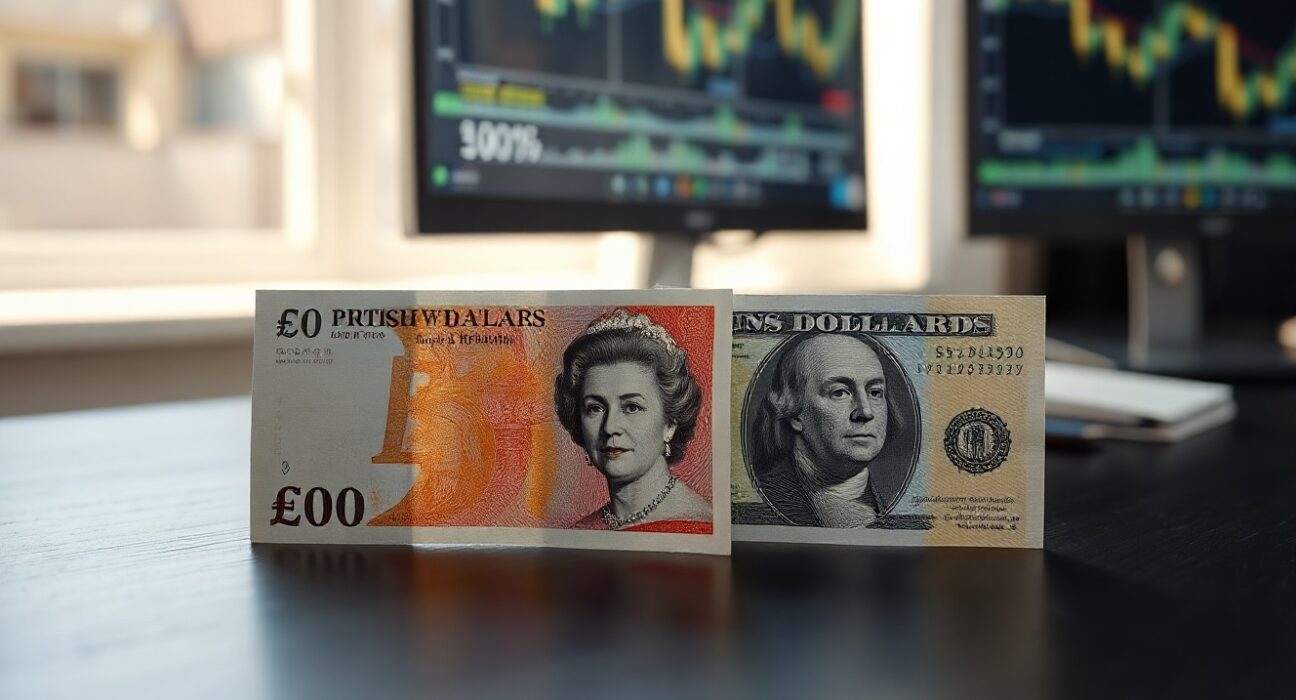
The British Pound edged higher against the US Dollar on Tuesday, briefly trading above the 1.3400 mark, as renewed optimism surrounding potential peace negotiations between the United States and Iran dampened demand for the safe-haven greenback. The move reflects a broader shift in market sentiment, with traders reducing their exposure to the dollar in favor of risk-sensitive currencies like sterling.
Geopolitical Context and Market Reaction
The catalyst for the Pound’s uptick appears to be unconfirmed reports and diplomatic signals suggesting a possible thaw in US-Iran relations. While no formal agreement has been announced, market participants interpreted the news as a positive step that could reduce geopolitical risk premiums. This shift in sentiment weighed on the US Dollar, which had been supported in recent weeks by safe-haven flows amid heightened tensions in the Middle East.
GBP/USD, which had been consolidating near the 1.3350 level in early trading, broke higher during the London session. The pair’s movement was also aided by a slight improvement in risk appetite across European equity markets. However, gains remained modest, with the pair oscillating around the 1.3400 handle, indicating that traders are cautious about committing to a sustained directional move without more concrete developments.
Fundamental Drivers for Sterling
Beyond the geopolitical headlines, the British Pound continues to be influenced by domestic economic data and Bank of England policy expectations. Recent inflation figures have remained sticky, keeping pressure on the BoE to maintain a cautious stance on interest rate cuts. This relative hawkishness has provided a floor for sterling against the dollar, even as the US Federal Reserve signals a slower pace of easing.
Traders are also watching the upcoming UK GDP release and retail sales data for further clues on the health of the British economy. A stronger-than-expected reading could reinforce the case for a more gradual BoE easing cycle, potentially pushing GBP/USD above the 1.3450 resistance level.
Impact on Traders and Investors
For currency traders, the immediate implication is a potential shift in the near-term bias for GBP/USD. A break and sustained move above 1.3400 could open the door for a test of the 1.3500 psychological level, particularly if risk appetite continues to improve. Conversely, a failure to hold above 1.3400 could see the pair drift back toward support at 1.3320.
Investors with exposure to currency-hedged assets should monitor the evolving geopolitical situation closely. A genuine de-escalation in US-Iran tensions could lead to a broader dollar sell-off, benefiting currencies like the British Pound, Euro, and commodity-linked currencies. However, the lack of confirmed details means that volatility could spike sharply on any contradictory headlines.
Conclusion
The British Pound’s move above 1.3400 is a tactical reaction to optimism surrounding US-Iran peace prospects, but the sustainability of the move hinges on tangible diplomatic progress. In the absence of official confirmation, the market remains vulnerable to sudden reversals. Traders should focus on key support and resistance levels while staying attuned to both geopolitical developments and domestic UK data for a more complete picture of the Pound’s trajectory.
FAQs
Q1: Why did the British Pound rise against the US Dollar?
The Pound rose primarily due to optimism that the US and Iran may be moving toward de-escalation, which reduced safe-haven demand for the US Dollar and supported risk-sensitive currencies like sterling.
Q2: Is the 1.3400 level significant for GBP/USD?
Yes, 1.3400 is a psychologically important round number and a key technical level. A sustained break above it could signal further upside toward 1.3500, while a failure to hold could lead to a retest of support near 1.3320.
Q3: What other factors are influencing the British Pound?
Beyond geopolitics, the Pound is being driven by UK inflation data, Bank of England interest rate expectations, and upcoming economic releases such as GDP and retail sales. The relative policy stance between the BoE and the Federal Reserve also plays a significant role.
Disclaimer: The information provided is not trading advice, Bitcoinworld.co.in holds no liability for any investments made based on the information provided on this page. We strongly recommend independent research and/or consultation with a qualified professional before making any investment decisions.
