

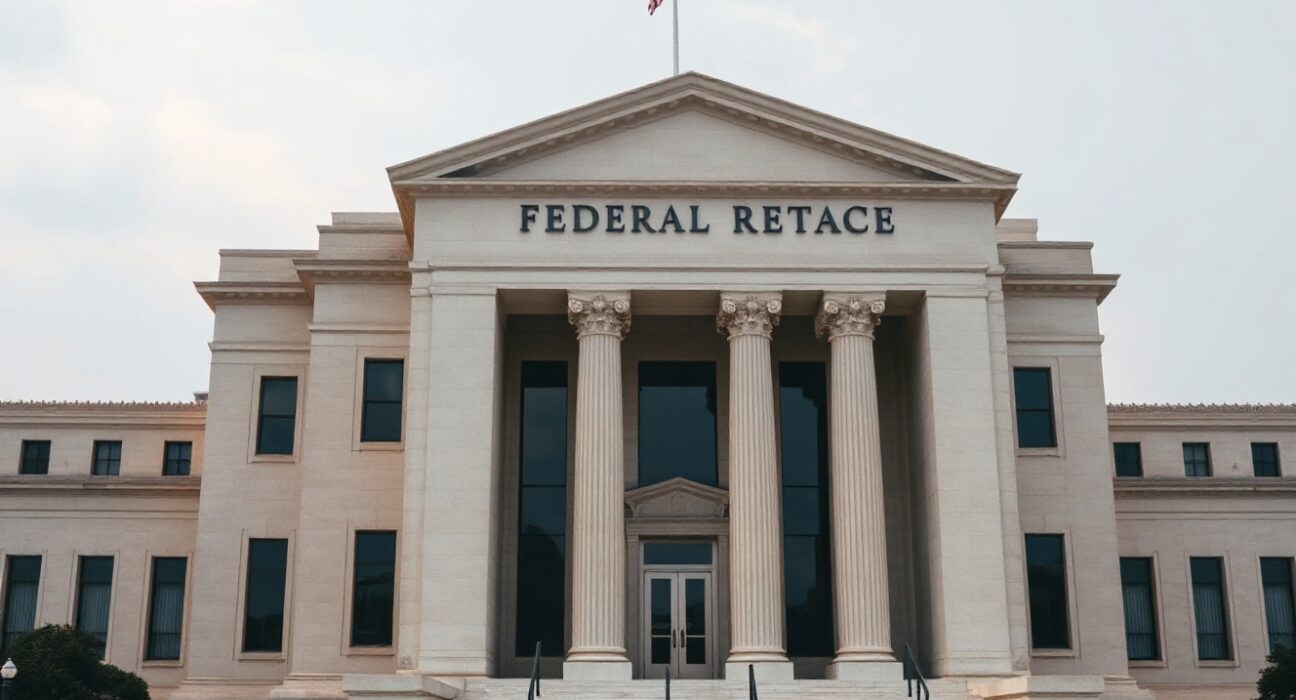
The Federal Reserve is widely expected to keep interest rates unchanged at its upcoming meeting, marking the first policy decision under newly appointed Chair Kevin Warsh. The decision, anticipated by economists and market participants, reflects a cautious approach as the central bank navigates persistent inflation pressures and a resilient labor market.
Policy Outlook Under New Leadership
Kevin Warsh, who assumed the role of Federal Reserve chair earlier this month, faces an immediate test of his leadership style and policy direction. The Fed’s Federal Open Market Committee (FOMC) is projected to maintain the federal funds rate at its current level, a move that would signal continuity with the previous administration’s focus on data-dependent decision-making.
Warsh, a former Fed governor with a reputation for hawkish leanings, has indicated in recent public statements that he supports a measured approach to monetary policy. Analysts suggest that his first meeting will be closely scrutinized for any shifts in tone or forward guidance, particularly regarding the timing of potential rate cuts later this year.
Market and Economic Context
The decision to hold rates steady comes amid mixed economic signals. While inflation has moderated from its peak in 2022, it remains above the Fed’s 2% target. Core inflation measures, which exclude volatile food and energy prices, have shown stickiness in services and housing sectors.
At the same time, the labor market continues to show strength, with unemployment near historic lows and job creation exceeding expectations. This combination has complicated the Fed’s task, as officials weigh the risk of reigniting inflation against the need to support economic growth.
Implications for Borrowers and Investors
For consumers and businesses, the rate hold means borrowing costs will remain elevated. Mortgage rates, credit card interest, and business loans are expected to stay at their current levels, prolonging the period of tight financial conditions. Investors, meanwhile, are pricing in a higher probability of rate cuts in the second half of the year, depending on incoming data.
The Fed’s decision also carries implications for global markets. A steady U.S. rate environment could support the dollar and influence capital flows to emerging economies, which have faced pressure from higher U.S. yields.
Conclusion
The Federal Reserve’s expected rate hold under Chair Kevin Warsh represents a continuation of cautious monetary policy amid an uncertain economic landscape. Market participants will focus on the accompanying statement and press conference for clues about future policy moves. The decision underscores the central bank’s commitment to data dependence, even as leadership changes hands.
FAQs
Q1: Why is the Federal Reserve expected to hold interest rates steady?
The Fed is expected to hold rates due to persistent inflation above its 2% target and a resilient labor market, which suggest that further tightening or easing is not yet warranted.
Q2: Who is Kevin Warsh and what is his policy stance?
Kevin Warsh is the newly appointed Federal Reserve chair, a former Fed governor known for a hawkish approach to monetary policy. He has signaled support for data-dependent decision-making and a cautious stance on rate changes.
Q3: How might this rate decision affect the average consumer?
The rate hold means borrowing costs for mortgages, credit cards, and loans will remain elevated, while savings accounts may continue to offer higher yields. Consumers should expect tight financial conditions to persist in the near term.
Disclaimer: The information provided is not trading advice, Bitcoinworld.co.in holds no liability for any investments made based on the information provided on this page. We strongly recommend independent research and/or consultation with a qualified professional before making any investment decisions.
