

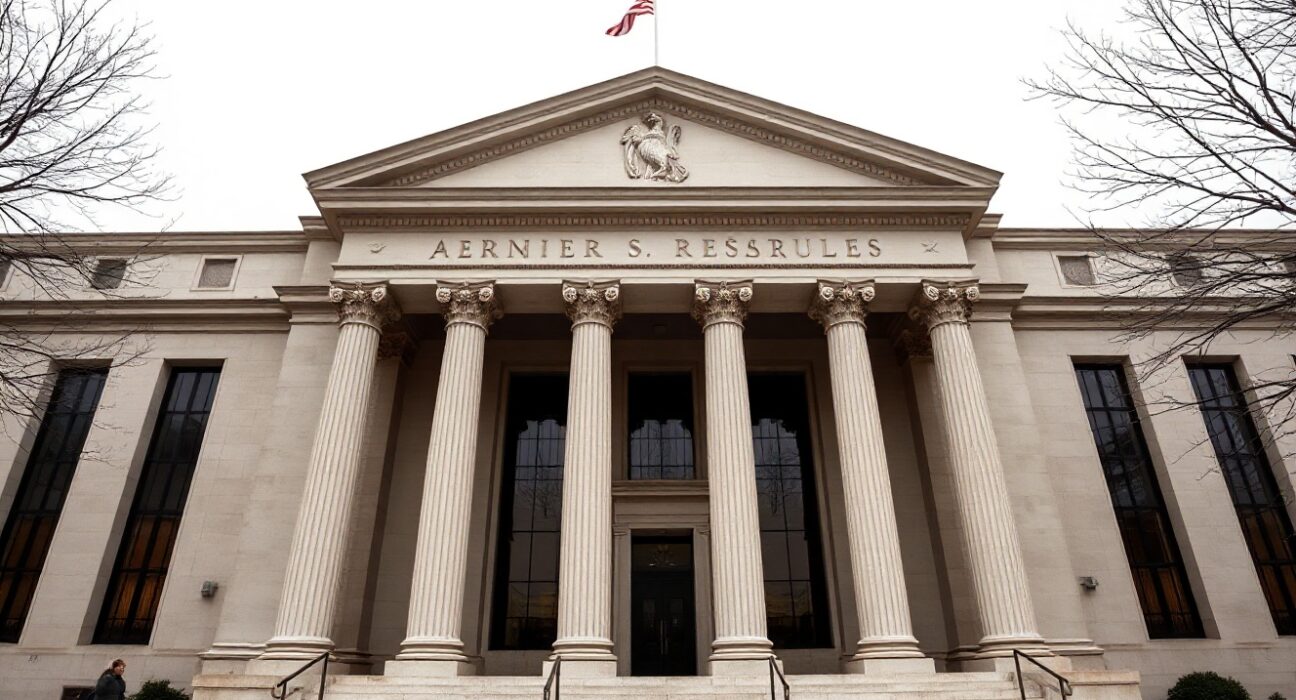
The Federal Reserve is widely expected to keep its benchmark interest rate unchanged at the conclusion of its next policy meeting, as a hawkish majority within the Federal Open Market Committee (FOMC) continues to advocate for a cautious approach. The decision, however, is being closely watched amid growing speculation about the potential nomination of Kevin Warsh as the next Fed chair, a development that could reshape the central bank’s long-term policy direction.
Hawkish Hold: What Markets Expect
Market participants and economists are nearly unanimous in pricing in a rate hold, with the fed funds rate remaining in the current range. The central bank has signaled a preference for maintaining restrictive policy until it sees more definitive evidence that inflation is sustainably moving toward its 2% target. Recent data showing sticky inflation in services and a resilient labor market have reinforced the hawkish stance among several FOMC members.
The committee’s internal divisions remain a key narrative. While some members have expressed openness to rate cuts later this year, the prevailing hawkish sentiment suggests that any easing is still months away. The Fed’s dot plot projections, updated quarterly, will be scrutinized for any shift in the median rate path.
The Warsh Factor: Political and Policy Uncertainty
Adding a layer of complexity to the outlook is the renewed discussion around Kevin Warsh, a former Fed governor and a prominent figure in Republican economic circles. Reports indicate that Warsh is under consideration for the Fed chairmanship, a move that would signal a potential shift toward a more rules-based or politically attuned monetary policy framework.
Warsh has been critical of the Fed’s aggressive rate-cutting cycles in the past and has advocated for greater transparency and accountability. His potential appointment introduces significant uncertainty for markets, as it could alter the Fed’s reaction function to inflation and employment data. Investors are weighing whether a Warsh-led Fed would accelerate rate cuts or, conversely, adopt a more deliberate, hawkish posture to restore credibility.
Why This Matters for Investors and Borrowers
For households and businesses, a steady rate means borrowing costs for mortgages, credit cards, and corporate loans will remain elevated for the foreseeable future. The housing market continues to feel the pressure, with affordability near multi-decade lows. For financial markets, the combination of a hawkish hold and leadership speculation injects a dose of volatility, as traders recalibrate expectations for the second half of 2026.
The Fed’s communication strategy will be critical. Chair Jerome Powell, who may be delivering his final testimony if a transition occurs, is expected to emphasize data dependence and avoid committing to a specific timeline for cuts. Any deviation from this script could trigger sharp market reactions.
Conclusion
The Federal Reserve’s decision to hold rates steady reflects a committee that is prioritizing inflation control over growth support, even as political dynamics shift. The uncertainty surrounding Kevin Warsh’s potential role adds a new dimension to the policy outlook, making this meeting more consequential than a simple hold might suggest. Market participants should prepare for continued rate stability in the near term, with the path forward heavily dependent on incoming economic data and the outcome of leadership discussions.
FAQs
Q1: Why is the Federal Reserve keeping interest rates steady?
The Fed is maintaining rates to ensure inflation continues to decline toward its 2% target. Despite some progress, recent data shows persistent price pressures, and the FOMC’s hawkish majority favors a cautious approach.
Q2: Who is Kevin Warsh, and why is his name being discussed?
Kevin Warsh served as a Federal Reserve governor from 2006 to 2011 and is a potential candidate to replace Jerome Powell as Fed chair. His policy views are seen as more hawkish and rules-based, which could influence future rate decisions.
Q3: How does this affect mortgage rates and loans?
With the Fed holding rates steady, short-term borrowing costs remain high. Mortgage rates, which are influenced by longer-term bond yields, may stay elevated as markets price in a slower pace of rate cuts. Borrowers should expect continued high costs for auto loans, credit cards, and home financing.
Disclaimer: The information provided is not trading advice, Bitcoinworld.co.in holds no liability for any investments made based on the information provided on this page. We strongly recommend independent research and/or consultation with a qualified professional before making any investment decisions.
