

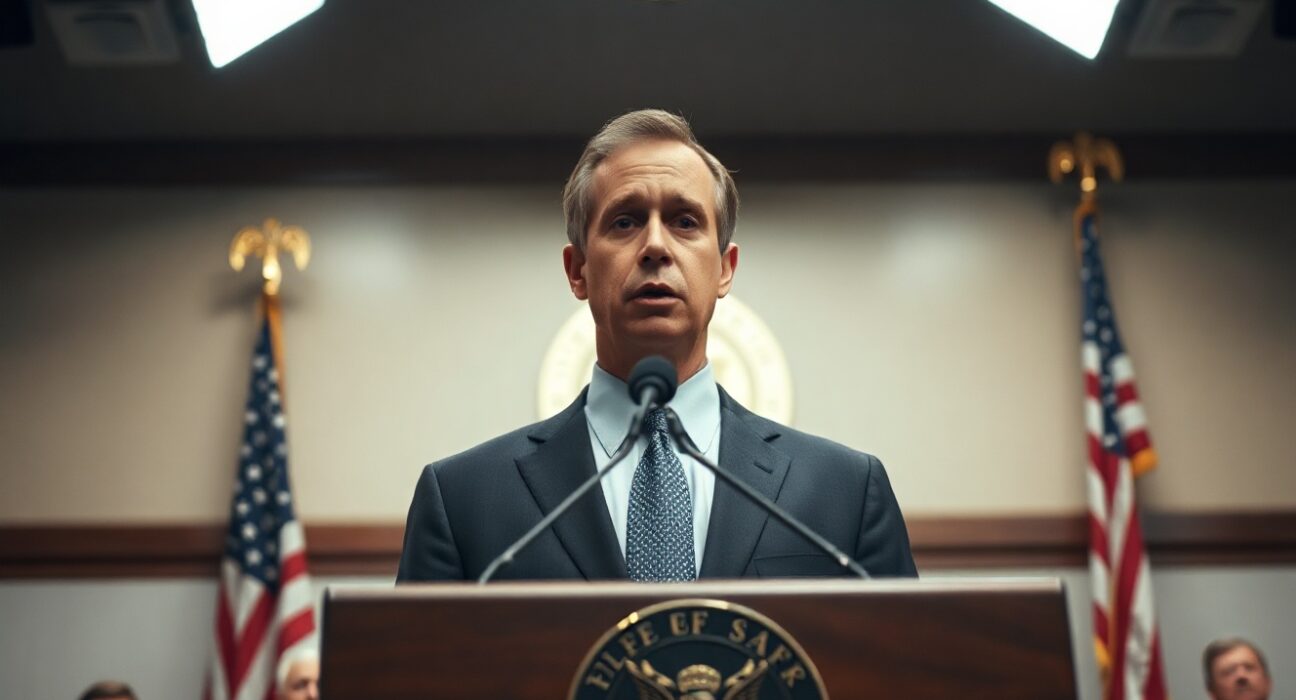
Federal Reserve Governor Kevin Warsh has formally launched his tenure at the central bank with a distinctly hawkish policy message and a sweeping promise of institutional reform. In his first major public address since assuming a leadership role, Warsh signaled that the Fed would prioritize inflation control over near-term economic stimulus, marking a potential departure from the more accommodative posture of recent years.
Hawkish Tone Sets the Stage
Speaking before an audience of economists and financial policymakers, Warsh emphasized the need for the Federal Reserve to remain vigilant against persistent price pressures. He argued that premature easing of monetary policy could undermine the credibility the central bank has built over decades. The governor’s remarks suggest that interest rate cuts may not be forthcoming in the near term, even as some market participants had anticipated a shift toward looser policy.
Warsh’s hawkish stance aligns with his reputation as a inflation hawk and a proponent of rules-based monetary policy. His appointment was widely seen as a signal that the White House and Congress expect the Fed to maintain discipline on inflation, even if it means slower economic growth in the short run.
Reform Agenda Targets Transparency and Accountability
Beyond monetary policy, Warsh laid out a reform agenda aimed at increasing the Federal Reserve’s transparency and accountability to Congress and the public. He proposed a review of the Fed’s communication strategy, including how the central bank signals its policy intentions through forward guidance. Warsh also called for a reassessment of the Fed’s emergency lending facilities, arguing that the tools deployed during the pandemic should be subject to stricter oversight.
“The American people deserve a Federal Reserve that is not only effective but also accountable,” Warsh said during his address. “We must ensure that our actions are clearly understood and that our decisions are grounded in a consistent framework.”
Implications for Markets and the Economy
The governor’s remarks have immediate implications for financial markets. Bond yields rose following the speech as traders priced in a higher-for-longer interest rate environment. Equity markets, which had been buoyed by hopes of rate cuts, experienced modest declines. Analysts expect increased volatility as investors recalibrate their expectations for Fed policy.
For consumers, the hawkish message means that borrowing costs—including mortgage rates, credit card interest, and auto loan rates—are likely to remain elevated. This could dampen consumer spending and slow the housing market, though it may also help bring inflation down to the Fed’s 2% target more quickly.
Conclusion
Kevin Warsh’s debut as a key voice at the Federal Reserve signals a new chapter for U.S. monetary policy. His hawkish rhetoric and reform promises reflect a deliberate effort to reshape the central bank’s approach after years of crisis-era interventions. Whether this strategy succeeds in taming inflation without triggering a recession will define his legacy—and shape the economic landscape for millions of Americans. Markets and policymakers alike will be watching closely for concrete actions to match the governor’s words.
FAQs
Q1: What does ‘hawkish’ mean in the context of the Federal Reserve?
A hawkish stance means the Fed prioritizes controlling inflation over stimulating economic growth. It typically involves higher interest rates or a reluctance to cut rates.
Q2: What reforms is Kevin Warsh proposing for the Fed?
Warsh has proposed greater transparency in the Fed’s communications, a review of forward guidance practices, and stricter oversight of emergency lending programs.
Q3: How might Warsh’s policies affect interest rates?
His hawkish message suggests that interest rates may remain higher for longer than previously expected, which could increase borrowing costs for consumers and businesses.
Disclaimer: The information provided is not trading advice, Bitcoinworld.co.in holds no liability for any investments made based on the information provided on this page. We strongly recommend independent research and/or consultation with a qualified professional before making any investment decisions.
