

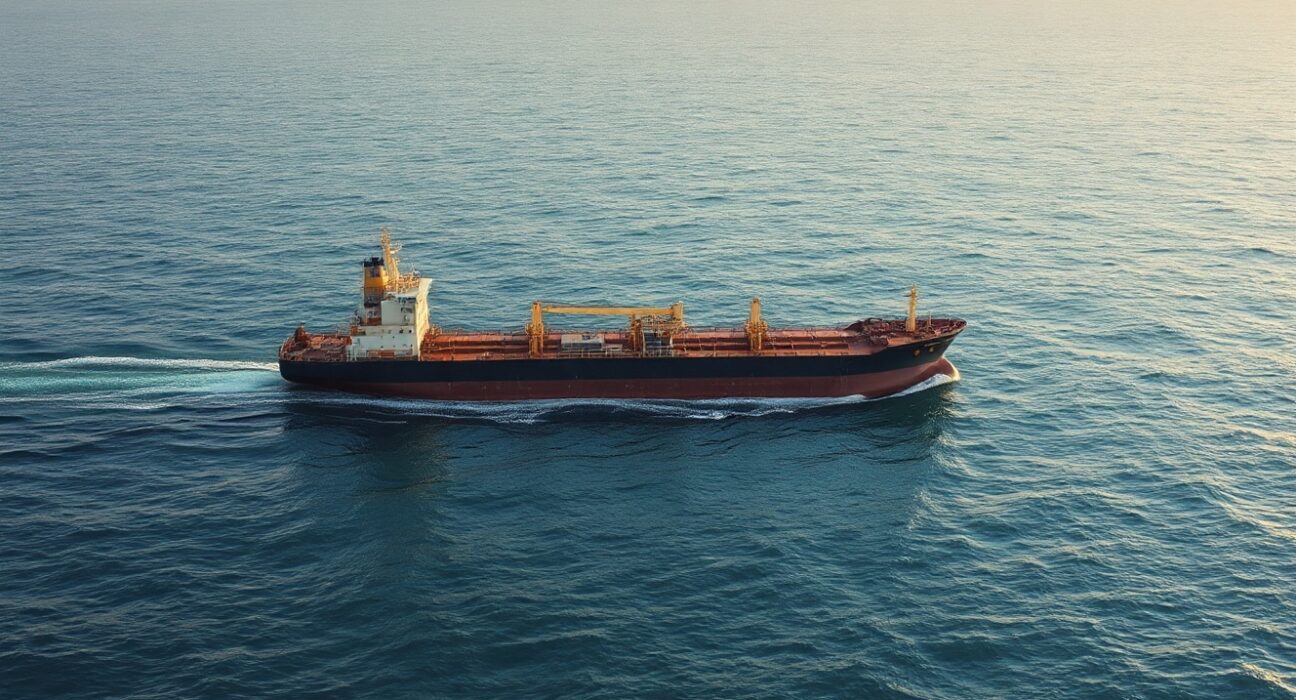
Crude oil prices have stabilized following the reopening of the Strait of Hormuz, according to a recent analysis from UOB Group. The strategic waterway, through which approximately 20% of the world’s oil passes, had been partially disrupted earlier this week due to regional tensions, causing a brief spike in benchmark crude prices.
Market reaction to the reopening
Brent crude, the international benchmark, eased back below $80 per barrel on Tuesday as shipping traffic resumed normal patterns through the strait. UOB’s commodity research team noted that the swift resolution of the disruption helped calm market jitters, preventing a sustained rally that could have added pressure to global inflation expectations.
“The reopening of the Strait of Hormuz removes an immediate supply risk premium from oil prices,” the UOB analysts wrote. “While the underlying geopolitical tensions remain, the market is now pricing in a lower probability of near-term disruption.”
Geopolitical context and supply risks
The Strait of Hormuz, located between Oman and Iran, is a critical chokepoint for global energy supply. Any disruption — whether from military conflict, diplomatic standoffs, or accidental blockages — tends to trigger immediate price volatility. The latest incident, though brief, underscored the fragility of the global oil supply chain.
Iran has historically used the strait as leverage in negotiations with Western powers, and analysts at UOB caution that the underlying tensions are far from resolved. “The risk of future disruptions remains elevated,” the report added, “but for now, the market has returned to a more balanced footing.”
Implications for traders and consumers
For energy traders, the stabilization offers a window to reassess positions that were built on the expectation of sustained higher prices. For consumers, the easing of crude prices may translate into slower increases at the pump, though retail fuel prices often lag behind wholesale crude movements by several weeks.
The broader macroeconomic picture also plays a role. With central banks in the US and Europe signaling that interest rate cuts may be delayed if inflation remains sticky, lower oil prices provide some relief to policymakers concerned about energy-driven price pressures.
Conclusion
The Strait of Hormuz reopening has provided a short-term calming effect on crude oil markets, according to UOB’s latest assessment. While the risk of future disruptions persists, the immediate supply threat has subsided, allowing prices to stabilize near pre-disruption levels. Traders and consumers alike will be watching for any renewed tensions that could reverse this trend.
FAQs
Q1: Why is the Strait of Hormuz important for oil prices?
About 20% of the world’s oil passes through the Strait of Hormuz daily. Any disruption to shipping through this narrow waterway can cause immediate price spikes due to fears of supply shortages.
Q2: What did UOB say about the impact of the reopening?
UOB analysts said the reopening removed an immediate supply risk premium from crude prices, allowing markets to stabilize. However, they cautioned that underlying geopolitical tensions remain.
Q3: Could the Strait of Hormuz be disrupted again?
Yes. The region remains geopolitically volatile, and analysts consider the risk of future disruptions to be elevated, even if the immediate threat has passed.
Disclaimer: The information provided is not trading advice, Bitcoinworld.co.in holds no liability for any investments made based on the information provided on this page. We strongly recommend independent research and/or consultation with a qualified professional before making any investment decisions.
