

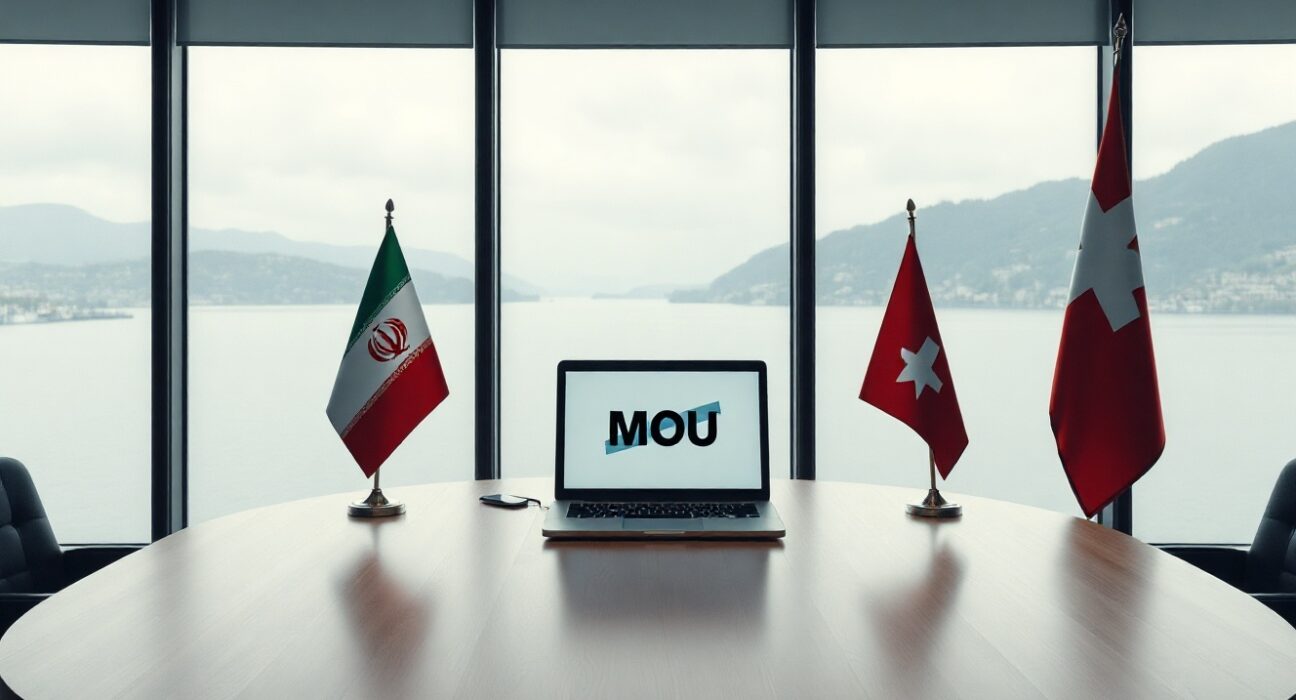
Iran has officially confirmed that a planned meeting with the United States in Switzerland was postponed, but clarified that a related Memorandum of Understanding (MOU) was still finalized through a digital signing process. The announcement, made by Iranian officials on Tuesday, adds a layer of complexity to recent diplomatic signals between the two nations, which have been engaged in indirect talks over nuclear issues and regional tensions.
Diplomatic Context and Timeline
The meeting, initially scheduled to take place in Geneva, was expected to address outstanding issues including sanctions relief and the resumption of nuclear negotiations. Swiss officials have historically acted as intermediaries between Iran and the US, given the absence of formal diplomatic relations between Washington and Tehran. The postponement was attributed to scheduling conflicts, according to sources familiar with the matter. However, the digital signing of the MOU indicates that both sides remain committed to maintaining a channel of communication, even if face-to-face talks are delayed.
What the MOU Covers
While the full text of the MOU has not been publicly released, Iranian state media reported that it pertains to procedural frameworks for future negotiations. Analysts suggest the document may outline agenda items, timelines, or confidence-building measures. The digital signing method, while unusual for high-stakes diplomatic agreements, reflects the growing use of secure digital channels in international diplomacy, particularly since the COVID-19 pandemic normalized remote negotiations. The move also signals that both parties are willing to proceed with technical aspects of the dialogue even as political tensions persist.
Implications for Nuclear Talks
The development comes amid a broader stalemate in the Joint Comprehensive Plan of Action (JCPOA) revival efforts. Iran has continued to expand its nuclear enrichment capabilities, while the US has maintained sanctions. The digital MOU signing suggests that both sides are exploring incremental steps rather than waiting for a comprehensive breakthrough. This pragmatic approach could help de-escalate immediate tensions, but critics argue it risks prolonging the status quo without addressing core disagreements.
Regional and Global Reactions
European Union officials, who have been facilitating indirect talks, expressed cautious optimism. A spokesperson noted that any direct or indirect communication between Iran and the US is a positive sign, even if the format has changed. Meanwhile, Israel and some Gulf states have voiced concern that the MOU may allow Iran to buy time while advancing its nuclear program. The digital signing has also raised questions about verification and enforcement, as traditional diplomatic protocols typically require physical signatures for binding agreements.
Conclusion
The confirmation of the postponed meeting and the digital MOU signing underscores the fragile but persistent nature of Iran-US diplomacy. While face-to-face talks remain a preferred format for resolving substantive differences, the willingness to adapt to digital channels suggests a mutual recognition that dialogue—however imperfect—is preferable to a complete breakdown. The coming weeks will reveal whether this procedural step can translate into tangible progress on nuclear and regional issues.
FAQs
Q1: Why was the Iran-US meeting in Switzerland postponed?
Iranian officials cited scheduling conflicts as the reason for the postponement. No further details were provided, but both sides have indicated willingness to reschedule.
Q2: What is the significance of signing the MOU digitally?
The digital signing shows that both Iran and the US are committed to maintaining diplomatic channels even when in-person meetings are not possible. It also reflects a broader trend in international diplomacy toward secure digital agreements.
Q3: Does the MOU affect the nuclear deal negotiations?
While the MOU is procedural in nature, it could help set the stage for future talks on the JCPOA. However, substantive disagreements on enrichment levels and sanctions relief remain unresolved.
Disclaimer: The information provided is not trading advice, Bitcoinworld.co.in holds no liability for any investments made based on the information provided on this page. We strongly recommend independent research and/or consultation with a qualified professional before making any investment decisions.
