

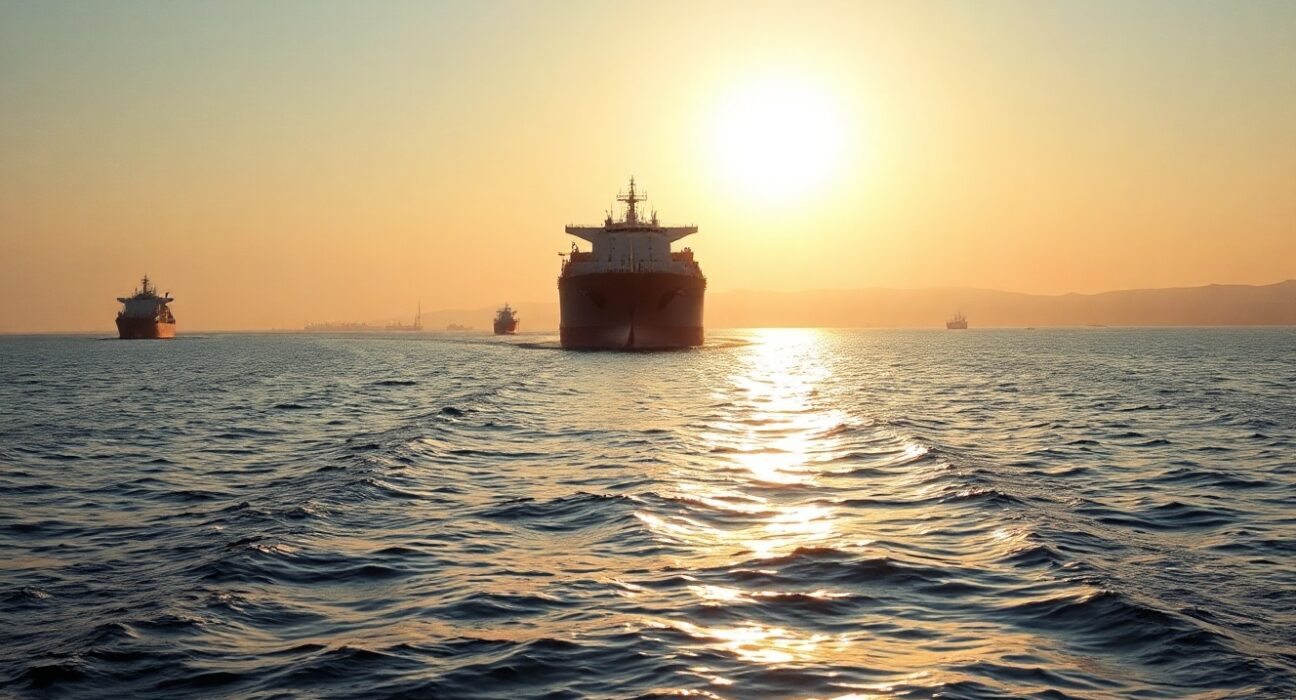
A senior Iranian official has warned that all Iranian institutions are prepared to escalate tensions in the Strait of Hormuz and across the region if diplomatic efforts fail to resolve outstanding issues with the United States. The statement, reported by Reuters, comes as Iran has set a deadline of several weeks for Washington to fully implement a memorandum of understanding, according to the official.
Background: A Long-Standing Standoff
The warning reflects the persistent friction between Tehran and Washington over a range of issues, including nuclear enrichment, sanctions, and regional security. The Strait of Hormuz, a narrow waterway between the Persian Gulf and the Gulf of Oman, is a critical chokepoint for global oil shipments. Approximately one-fifth of the world’s petroleum consumption passes through it, making any disruption a significant concern for energy markets and international security.
Previous confrontations in the strait have included seizures of commercial vessels, drone shootdowns, and mines allegedly placed by Iranian forces. These incidents have heightened fears of a broader conflict, prompting repeated diplomatic efforts by regional and international actors.
Diplomatic Efforts and the Memorandum of Understanding
The memorandum referenced by the Iranian official is not publicly detailed, but it likely pertains to previous negotiations over sanctions relief and nuclear constraints. The official said it was unrealistic to pressure the United States or rely on mediators to achieve lasting peace, signaling Tehran’s frustration with the pace of progress.
Iran has previously engaged in indirect talks with the United States through European and Gulf intermediaries. However, the latest remarks suggest a hardening stance, with Tehran insisting on concrete actions rather than promises. The deadline of several weeks adds urgency to the diplomatic window, though the exact consequences of failure remain unspecified.
Why This Matters
The Strait of Hormuz is not just a regional concern; it is a global economic artery. Any escalation could lead to spikes in oil prices, disruptions in shipping routes, and broader instability in the Middle East. For international readers, the situation underscores the fragile balance between diplomacy and conflict in a region where miscalculation can have far-reaching consequences.
Market analysts will be watching for signs of movement in the coming weeks, as the deadline approaches. The uncertainty alone could influence oil prices and investor sentiment, even if no military action occurs.
Conclusion
Iran’s latest warning is a clear signal that patience is wearing thin. The coming weeks will be critical in determining whether diplomatic channels can deliver tangible results or if the region faces renewed tensions. The international community, particularly those reliant on Gulf oil, will be hoping for a peaceful resolution, but the stakes remain high.
FAQs
Q1: What is the Strait of Hormuz and why is it important?
The Strait of Hormuz is a narrow waterway between the Persian Gulf and the Gulf of Oman, through which a significant portion of the world’s oil exports pass. Its closure or disruption could severely impact global energy supplies and prices.
Q2: What is the memorandum of understanding mentioned by the Iranian official?
The details are not publicly disclosed, but it is likely related to previous negotiations over sanctions relief and nuclear restrictions. The memorandum appears to be a framework for resolving specific disputes between Iran and the United States.
Q3: How have previous tensions in the strait affected global markets?
Past incidents, such as tanker seizures and attacks, have led to temporary spikes in oil prices and increased insurance costs for shipping. Prolonged disruptions could have more severe economic consequences, affecting everything from fuel prices to global trade.
Disclaimer: The information provided is not trading advice, Bitcoinworld.co.in holds no liability for any investments made based on the information provided on this page. We strongly recommend independent research and/or consultation with a qualified professional before making any investment decisions.
