

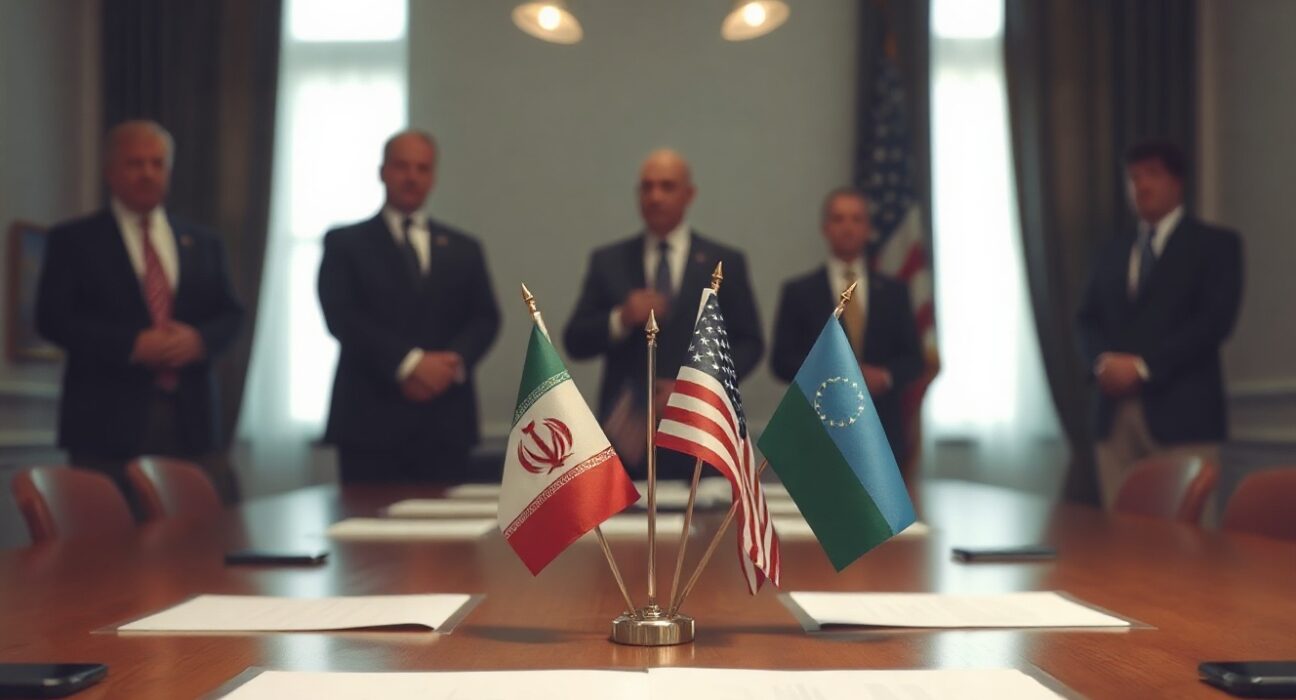
Iran’s Foreign Ministry spokesperson, Esmail Baghaei, has stated that the so-called 60-day deadline for nuclear negotiations has become “completely meaningless” following what Tehran describes as serious and extensive violations of a memorandum of understanding (MOU) signed with the United States on June 18. Baghaei emphasized that the MOU contains no clause referencing any 60-day deadline and reiterated that Iran does not formulate policy under pressure, ultimatums, or time limits.
Background of the MOU and Its Terms
The MOU, signed in June, was intended to establish a framework for negotiations on two key agenda items: sanctions relief and Iran’s nuclear program. According to Baghaei, the agreement originally set a 60-day negotiation period, with an option to extend if no agreement was reached. However, he claims that the United States violated the agreement “seriously and extensively” within weeks of signing, preventing negotiations from even getting underway.
This development underscores the fragility of diplomatic efforts between the two nations, which have been marked by decades of mistrust and periodic confrontations. The MOU was seen as a potential step toward de-escalation, but its apparent collapse raises questions about the viability of future talks.
Implications for Nuclear Diplomacy
The Iranian statement comes at a time when international attention is focused on the broader Middle East, with concerns over nuclear proliferation and regional stability. The United States and Iran have been at odds over the nuclear issue since the U.S. withdrawal from the Joint Comprehensive Plan of Action (JCPOA) in 2018. The current impasse could further complicate efforts to revive the nuclear deal or negotiate a new framework.
Baghaei’s remarks signal Tehran’s firm stance against what it perceives as coercive tactics. By rejecting the 60-day deadline, Iran is asserting its position that negotiations must be based on mutual respect and adherence to agreed terms, not unilateral ultimatums.
Why This Matters
For readers, this development is significant because it affects global energy markets, regional security, and international diplomacy. Any escalation or breakdown in talks could lead to increased tensions in the Persian Gulf, impacting oil prices and global supply chains. Additionally, it highlights the challenges of diplomatic engagement in an environment of deep-seated distrust.
The Iranian position also reflects a broader trend in international relations where nations increasingly resist perceived external pressure, emphasizing sovereignty and non-interference. This could have implications for other diplomatic negotiations worldwide.
Conclusion
Iran’s declaration that the 60-day deadline is meaningless, citing U.S. violations of the MOU, marks a critical juncture in nuclear diplomacy. With negotiations stalled, the path forward remains uncertain. Both nations have expressed willingness to engage, but the conditions for resuming talks appear contentious. The international community will be watching closely to see whether diplomatic channels can be revived or if the standoff will persist.
FAQs
Q1: What was the purpose of the June 18 MOU between Iran and the U.S.?
The MOU aimed to establish a negotiation framework on sanctions relief and Iran’s nuclear program, with an initial 60-day negotiation period and an option to extend.
Q2: Why does Iran consider the 60-day deadline meaningless?
Iran argues that the U.S. violated the MOU shortly after signing it, preventing negotiations from starting, and that the agreement itself does not contain a binding 60-day deadline.
Q3: What are the broader implications of this breakdown?
The breakdown could heighten regional tensions, affect global oil markets, and complicate efforts to revive the JCPOA or negotiate a new nuclear agreement.
Disclaimer: The information provided is not trading advice, Bitcoinworld.co.in holds no liability for any investments made based on the information provided on this page. We strongly recommend independent research and/or consultation with a qualified professional before making any investment decisions.
