

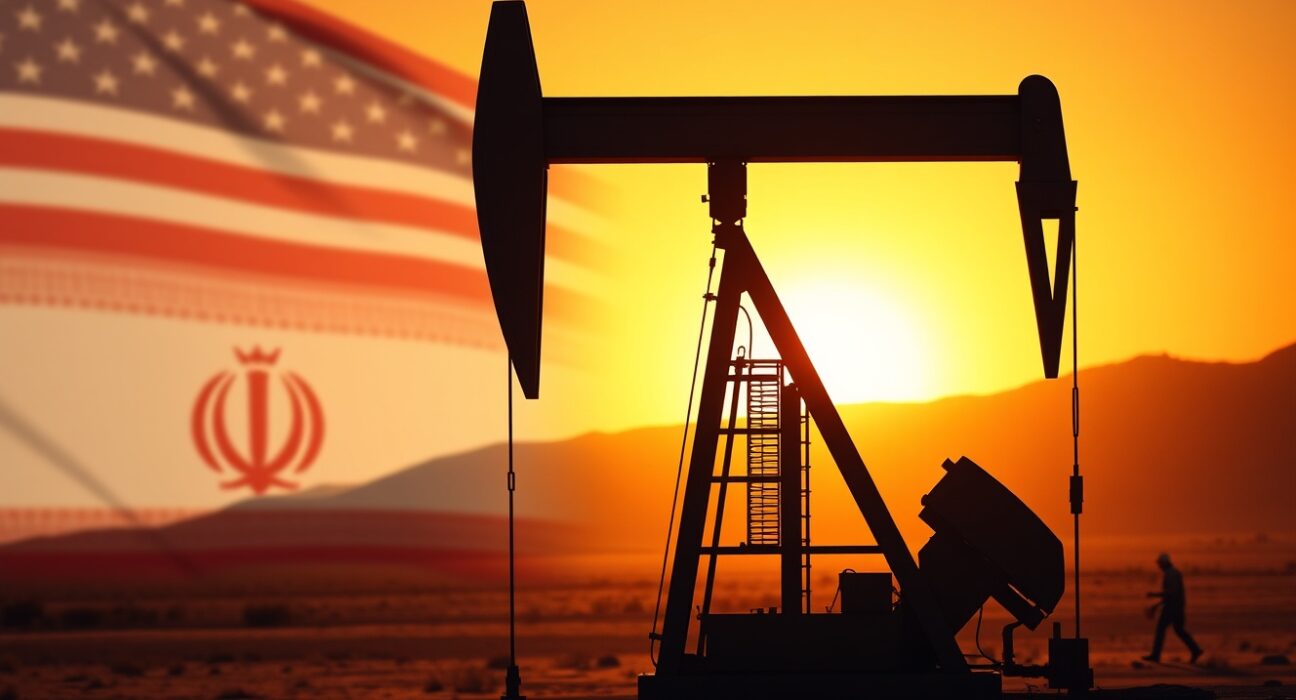
West Texas Intermediate (WTI) crude oil futures turned lower on Monday, reversing earlier gains as reports emerged that diplomatic talks between the United States and Iran have made tangible progress. The shift in sentiment highlights how geopolitical developments continue to drive short-term volatility in energy markets.
Peace Talks Advance, Oil Premiums Ease
According to sources familiar with the negotiations, the two sides have narrowed differences on key issues related to Iran’s nuclear program and economic sanctions. While no formal agreement has been announced, the mere prospect of a thaw in relations has been enough to cool the geopolitical risk premium that had been supporting oil prices in recent weeks.
WTI crude, which had climbed above $78 per barrel earlier in the session, fell back to around $76.50 by midday trading. The decline reflects market expectations that a successful deal could lead to the lifting of sanctions on Iranian oil exports, potentially adding hundreds of thousands of barrels per day to global supply.
Market Implications of a Potential Deal
Iran currently exports roughly 1.5 million barrels per day, well below its pre-sanctions capacity of over 2.5 million barrels per day. Analysts estimate that a comprehensive agreement could bring an additional 500,000 to 1 million barrels per day back to the market within six to twelve months, a development that would significantly alter the supply-demand balance.
The International Energy Agency (IEA) has previously noted that the oil market remains adequately supplied for now, but any additional supply from Iran could further ease price pressures, especially as global demand growth shows signs of slowing.
Why This Matters for Traders and Consumers
For traders, the progress in US-Iran talks introduces a new variable into an already complex market. OPEC+ production cuts, ongoing tensions in the Middle East, and shifting demand forecasts from China all compete for attention. The Iran factor adds a potential downside risk to oil prices that was less pronounced just a month ago.
For consumers, lower oil prices could translate into modest relief at the pump, though the effect may be delayed. Gasoline prices are influenced by refining capacity, seasonal demand, and regional logistics, so any impact from a potential Iran deal would take time to materialize.
Conclusion
The reversal in WTI crude prices underscores the market’s sensitivity to diplomatic developments. While the US-Iran talks are still ongoing and no final agreement has been reached, the direction of travel is clear: progress is being made. Traders and analysts will be watching closely for any official announcements that could confirm or undermine the current optimism.
FAQs
Q1: Why did WTI crude prices fall on news of US-Iran talks?
A: Markets expect that progress in talks could lead to eased sanctions on Iran, allowing more Iranian oil to enter the global market, which would increase supply and put downward pressure on prices.
Q2: How much oil could Iran add to the market if sanctions are lifted?
A: Analysts estimate Iran could increase exports by 500,000 to 1 million barrels per day within six to twelve months, depending on production capacity and infrastructure readiness.
Q3: Will lower oil prices mean cheaper gasoline?
A: Potentially, but the impact is not immediate. Gasoline prices depend on refining margins, seasonal demand, and local taxes. A sustained drop in crude oil prices would likely lead to lower pump prices over time.
Disclaimer: The information provided is not trading advice, Bitcoinworld.co.in holds no liability for any investments made based on the information provided on this page. We strongly recommend independent research and/or consultation with a qualified professional before making any investment decisions.
