

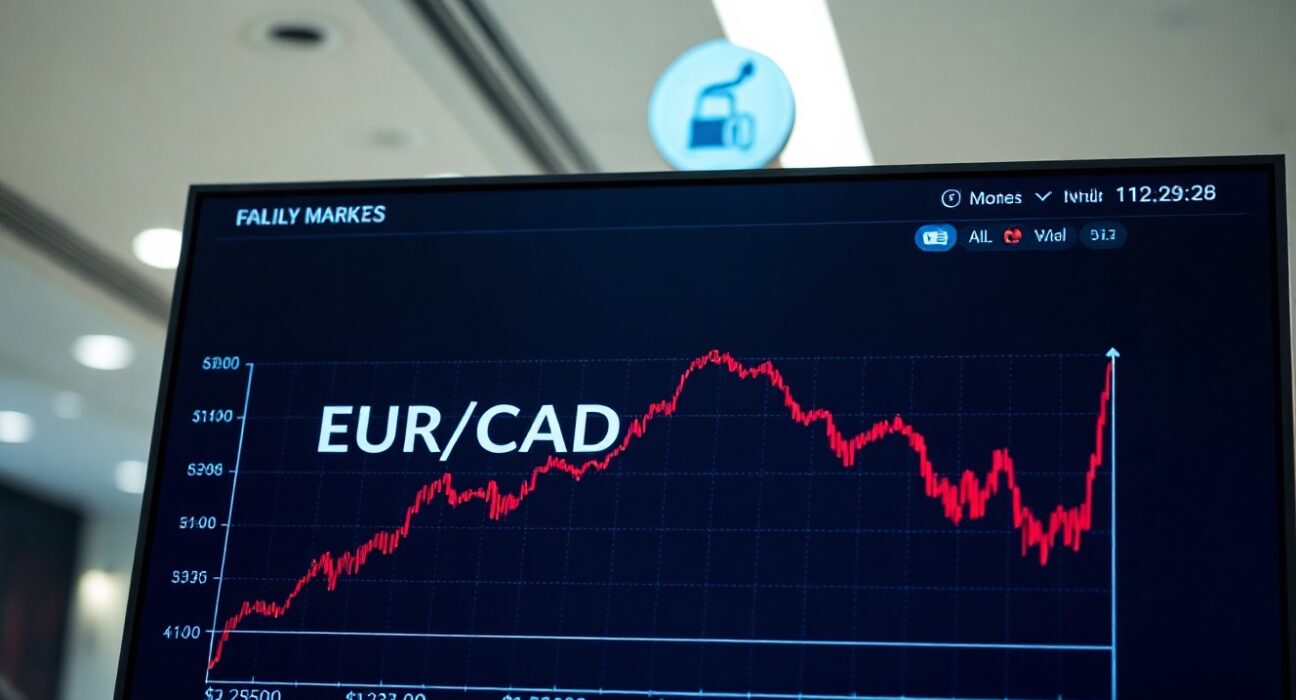
The euro has strengthened against the Canadian dollar in recent trading sessions, driven primarily by a sustained decline in global crude oil prices. As a commodity-linked currency, the Canadian dollar often moves in tandem with oil prices, and the current weakness in energy markets has put downward pressure on the loonie, allowing the euro to gain ground.
Oil Prices and the Canadian Dollar
Canada is one of the world’s largest oil producers, and its currency is highly sensitive to fluctuations in crude oil prices. When oil prices fall, the Canadian dollar typically weakens as the country’s export revenues and economic outlook dim. Recent data shows Brent crude has slipped below key support levels amid concerns over global demand and increased supply from non-OPEC producers. This has directly weighed on the CAD, creating a favorable environment for the EUR/CAD pair.
Euro Supported by Broader Market Sentiment
The euro has also found support from a slightly more optimistic tone in European economic data and a stabilization in the eurozone’s inflation outlook. While the European Central Bank remains cautious, the euro has benefited from a general improvement in risk appetite and a pullback in the US dollar. Against this backdrop, the EUR/CAD cross has moved higher, breaking through technical resistance levels.
What This Means for Traders and Businesses
For forex traders, the current trend in EUR/CAD offers potential opportunities, particularly if oil prices remain under pressure. Importers and exporters dealing in euros and Canadian dollars should also take note of the shift. European companies selling to Canadian buyers may see improved margins, while Canadian exporters to the eurozone could face headwinds. The relationship between oil and the CAD is well established, and any further decline in crude could extend the euro’s gains.
Conclusion
The euro’s recent strength against the Canadian dollar is a textbook example of how commodity price movements influence currency markets. With oil prices showing little sign of a near-term recovery, the EUR/CAD pair may continue to trade with an upward bias. However, traders should remain vigilant for any sudden shifts in energy policy, geopolitical developments, or central bank commentary that could reverse the trend.
FAQs
Q1: Why does the Canadian dollar weaken when oil prices fall?
Canada is a major oil exporter, so lower crude prices reduce export revenues and can slow economic growth, leading to a weaker Canadian dollar.
Q2: Is the euro expected to keep rising against the Canadian dollar?
It depends on oil price trends and broader market sentiment. If oil remains low, the CAD could stay under pressure, supporting the EUR/CAD pair.
Q3: How does this affect consumers?
European consumers may find Canadian goods cheaper, while Canadians buying European products could face higher costs due to the weaker loonie.
Disclaimer: The information provided is not trading advice, Bitcoinworld.co.in holds no liability for any investments made based on the information provided on this page. We strongly recommend independent research and/or consultation with a qualified professional before making any investment decisions.
