

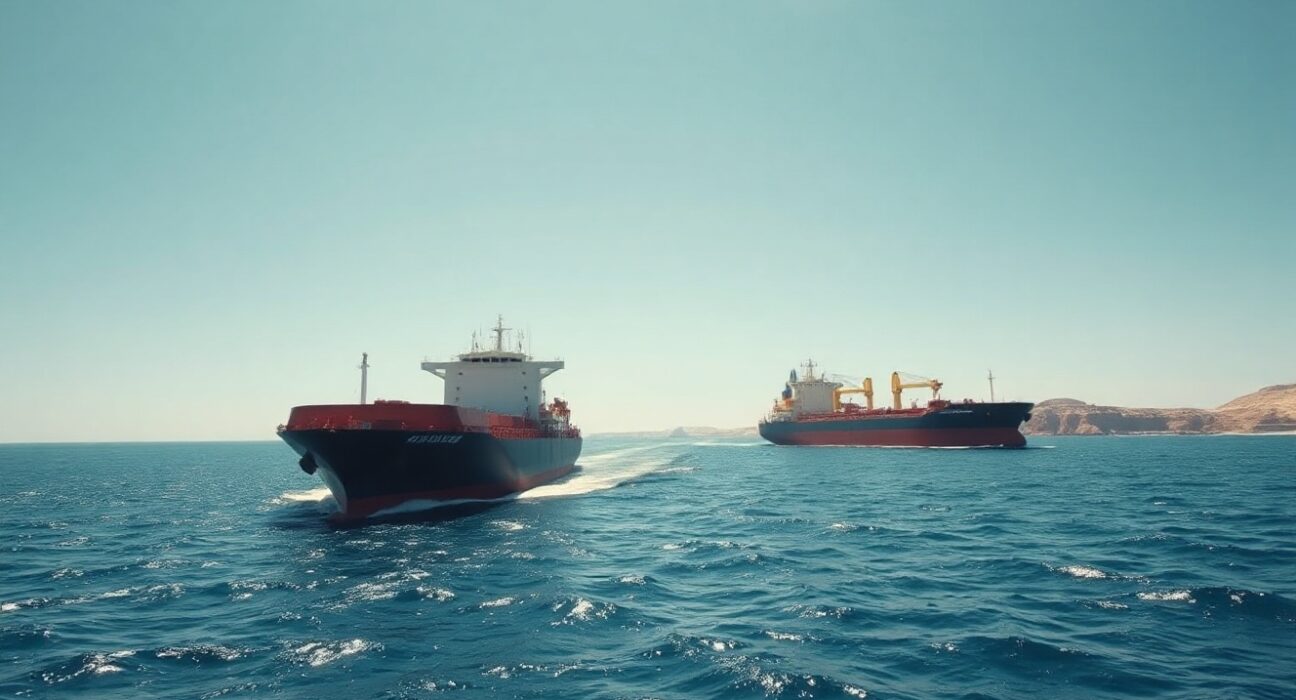
Iran has announced plans to limit the number of ships permitted to transit the Strait of Hormuz each day, with the exact quota to be adjusted dynamically based on prevailing regional conditions, according to a report from Iranian state-affiliated outlet Fars News, citing a military source. The decision introduces a new layer of uncertainty for global energy markets, as the narrow waterway serves as a critical chokepoint for approximately one-fifth of the world’s petroleum consumption.
Strategic Implications for Global Oil Flows
The Strait of Hormuz, connecting the Persian Gulf to the Gulf of Oman, is the world’s most strategically important oil transit route. Roughly 21 million barrels of crude oil and petroleum products pass through its waters daily, representing about 21% of global petroleum consumption. Any sustained restriction on vessel traffic could rapidly tighten global supply, driving up crude prices and increasing volatility in energy markets.
Iranian officials have not specified the exact daily vessel limit, nor have they clarified the criteria used to adjust the number based on the ‘prevailing situation.’ This ambiguity leaves shipping companies, insurers, and oil traders in a state of heightened alert, particularly given the broader context of ongoing tensions between Iran and Western powers over nuclear negotiations and sanctions enforcement.
Historical Precedent and Market Reactions
This is not the first time Iran has leveraged its geographic position to signal control over the Strait. In previous periods of heightened geopolitical tension, including during the Iran-Iraq War in the 1980s and following the U.S. withdrawal from the Joint Comprehensive Plan of Action (JCPOA) in 2018, Iran has made similar threats or implemented temporary restrictions. However, a formal daily quota system represents a more structured approach, potentially allowing Iran to calibrate pressure without triggering a full-scale confrontation.
Market analysts are closely watching for signs of disruption. Early indications suggest that shipping insurance premiums for vessels transiting the region have already begun to rise. Crude oil futures may see increased speculative buying as traders price in the risk of supply interruptions. The extent of the impact will depend heavily on how strictly the quota is enforced and whether it applies uniformly to all vessels or selectively based on nationality or cargo type.
What This Means for Global Energy Security
For importing nations heavily dependent on Persian Gulf oil, including Japan, India, South Korea, and China, the announcement raises immediate concerns about energy security. Strategic petroleum reserves may be drawn upon if disruptions materialize, and alternative supply routes, such as the UAE’s Habshan-Fujairah pipeline, which bypasses the Strait, could see increased utilization. However, pipeline capacity is limited and cannot fully replace the volume of tanker traffic.
The situation also places additional pressure on diplomatic channels. The United States and its allies have historically maintained a naval presence in the region to ensure freedom of navigation. Any escalation could prompt a coordinated international response, including potential convoy systems or heightened naval patrols.
Conclusion
Iran’s decision to impose a daily vessel limit on the Strait of Hormuz, with quotas adjusted based on real-time conditions, introduces a new variable into an already complex geopolitical and economic equation. While the immediate impact on oil flows remains uncertain, the announcement underscores the enduring strategic vulnerability of global energy supply chains. Traders, policymakers, and shipping operators will be closely monitoring implementation details in the coming days to assess the true scope of the restriction.
FAQs
Q1: How much of the world’s oil passes through the Strait of Hormuz?
Approximately 21 million barrels per day, or about 21% of global petroleum consumption, transits the Strait of Hormuz, making it the most important oil chokepoint in the world.
Q2: What does ‘adjusted based on the prevailing situation’ mean?
Iran has not defined the specific conditions that would trigger changes to the daily vessel quota. The phrase suggests a dynamic policy that could be tightened or loosened in response to regional security developments, diplomatic negotiations, or economic pressures.
Q3: Are there alternative routes for oil exports from the Persian Gulf?
Yes, the UAE operates the Habshan-Fujairah pipeline, which can transport around 1.5 million barrels per day from the Persian Gulf to the Gulf of Oman, bypassing the Strait. However, this capacity is far below the total volume that typically transits the waterway, limiting its ability to fully offset disruptions.
Disclaimer: The information provided is not trading advice, Bitcoinworld.co.in holds no liability for any investments made based on the information provided on this page. We strongly recommend independent research and/or consultation with a qualified professional before making any investment decisions.
