

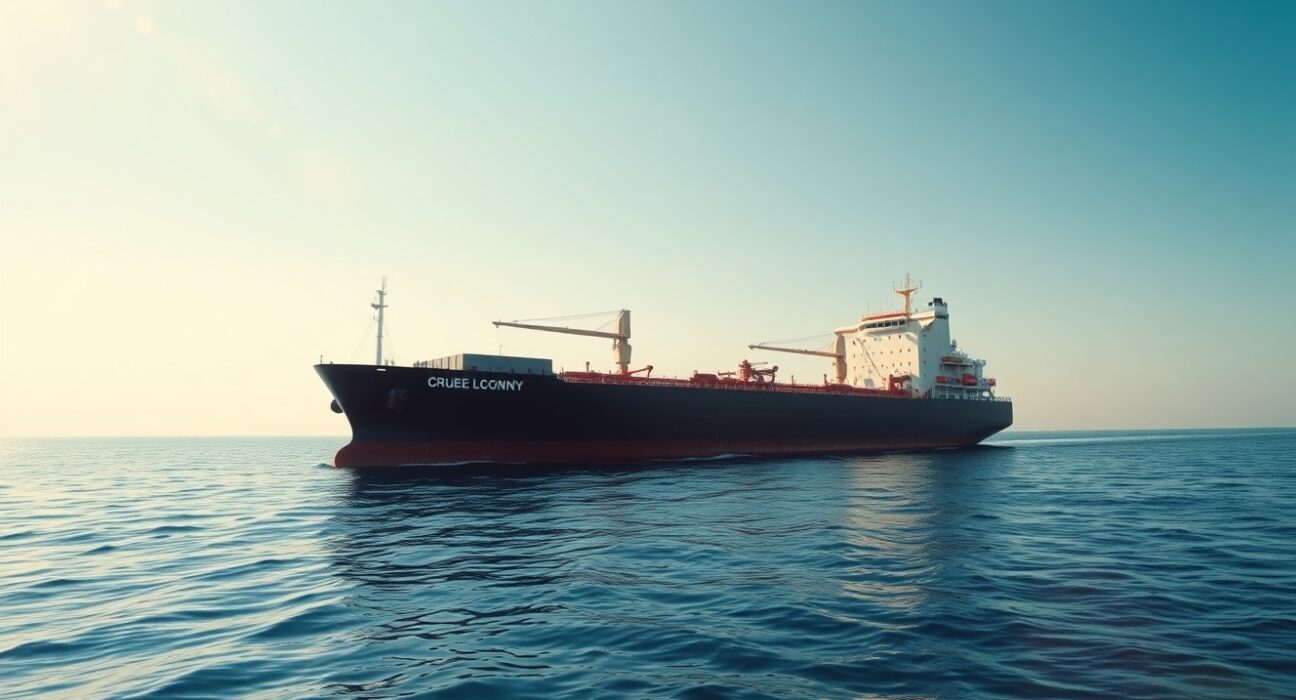
Analysts at Rabobank have highlighted a softening trajectory for both Brent and West Texas Intermediate (WTI) crude oil benchmarks following the reopening of the Strait of Hormuz, a critical maritime chokepoint for global oil shipments. The development eases immediate supply disruption risks that had supported prices in recent weeks.
Rabobank’s assessment of easing supply risks
In a note released to clients, Rabobank’s commodity research team pointed to the reopening of the strait as a key factor reducing geopolitical premiums embedded in crude prices. The Strait of Hormuz, through which approximately 20% of the world’s oil passes, had been partially disrupted amid heightened regional tensions. With shipping lanes now returning to normal operations, the bank expects a gradual decline in Brent and WTI prices over the near term, barring any fresh geopolitical shocks.
Market context and price implications
The reassessment comes after a period of elevated volatility in energy markets. Brent crude had briefly pushed above $85 per barrel on fears of a prolonged closure, while WTI traded in the high $70s. Rabobank’s analysts suggest that the removal of the immediate disruption risk could see Brent settle in a $78–$82 range and WTI in the $73–$77 range in the coming weeks, assuming no major changes to OPEC+ production policy or global demand trends.
What this means for traders and consumers
For traders, the softer path implies reduced upside momentum and a potential shift toward short-term bearish positioning. For consumers, particularly in import-dependent economies, lower crude prices could translate into modest relief at the pump, though refining margins and local taxes remain significant variables. The broader implication is that geopolitical risk premiums are now being priced out, returning focus to fundamentals such as inventory levels and economic growth forecasts.
Conclusion
Rabobank’s analysis underscores how quickly supply-side risks can recede when geopolitical tensions de-escalate. While the outlook for Brent and WTI is now softer, the bank cautions that the situation remains fluid and that any renewed instability in the region could reverse the current trend. For now, the reopening of the Strait of Hormuz provides a clearer, less volatile path for crude oil markets.
FAQs
Q1: Why does the reopening of the Strait of Hormuz affect oil prices?
The strait is a vital transit route for crude tankers. When it is disrupted, markets price in a supply shortage risk, pushing prices up. Reopening removes that risk, leading to lower prices.
Q2: What are Rabobank’s price targets for Brent and WTI?
Rabobank suggests Brent could trade in a $78–$82 range and WTI in a $73–$77 range in the near term, assuming no new disruptions.
Q3: Could oil prices rise again despite the reopening?
Yes. If geopolitical tensions flare up again, or if OPEC+ unexpectedly cuts production, prices could rebound. The current softer path is conditional on continued stability in the region.
Disclaimer: The information provided is not trading advice, Bitcoinworld.co.in holds no liability for any investments made based on the information provided on this page. We strongly recommend independent research and/or consultation with a qualified professional before making any investment decisions.
