

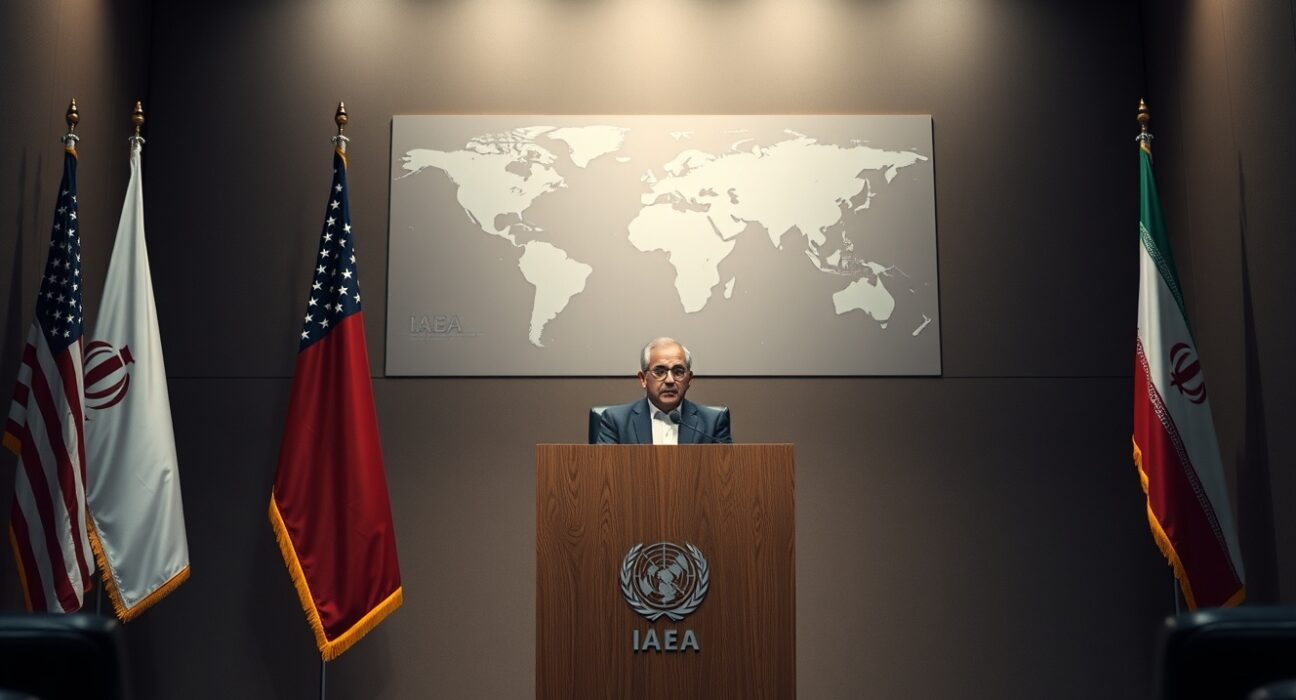
President Donald Trump announced on Tuesday that Iran has agreed to the highest level of nuclear inspections, a development that could reshape the international community’s approach to nonproliferation in the Middle East. The statement, delivered from the White House, marks a significant diplomatic shift following years of heightened tensions between Washington and Tehran.
Details of the Inspection Agreement
According to President Trump, the agreement commits Iran to allow inspectors from the International Atomic Energy Agency (IAEA) unprecedented access to nuclear facilities, including those previously off-limits. The inspections are described as the “highest level” and are expected to continue “long into the future,” though specific timelines and the full scope of the accord have not yet been released by the administration.
This announcement comes amid ongoing negotiations and backchannel discussions that have largely remained out of the public eye. The White House has not confirmed whether the agreement is a formal treaty, an executive arrangement, or a temporary understanding. However, the president’s characterization suggests a major concession from Tehran, which has historically resisted intrusive monitoring.
Historical Context and Implications
The Iran nuclear file has been a central point of contention in US foreign policy for decades. The 2015 Joint Comprehensive Plan of Action (JCPOA), negotiated under the Obama administration, placed limits on Iran’s uranium enrichment in exchange for sanctions relief. President Trump withdrew the US from that deal in 2018, citing its insufficient inspection mechanisms and sunset clauses.
Since then, Iran has expanded its nuclear activities, enriching uranium to near-weapons-grade levels and restricting IAEA access to key sites. The new agreement, if implemented, would represent a reversal of that trend and could serve as a foundation for broader diplomatic engagement.
What This Means for Global Nonproliferation
Experts note that the highest level of inspections, often referred to as the Additional Protocol, allows IAEA inspectors short-notice access to any declared or undeclared site. This significantly reduces the risk of covert nuclear weapons development. If Iran adheres to this standard, it could rebuild trust with the international community and potentially lead to the lifting of certain economic sanctions.
However, the durability of the agreement remains uncertain. Past diplomatic breakthroughs have faltered due to political changes in both countries and regional tensions. The absence of a formalized, verifiable mechanism raises questions about enforcement and compliance.
Conclusion
President Trump’s announcement that Iran has agreed to the highest level of nuclear inspections represents a potentially pivotal moment in nonproliferation efforts. While the full details and verification mechanisms are yet to be disclosed, the development signals a willingness from Tehran to engage on one of the most contentious issues in international security. Readers should monitor official statements from the IAEA and the US State Department for confirmed implementation timelines and scope.
FAQs
Q1: What does the “highest level” of nuclear inspections mean?
The highest level refers to the IAEA’s Additional Protocol, which allows inspectors short-notice access to all nuclear-related sites, including undeclared facilities, to verify that nuclear materials are not being diverted for weapons purposes.
Q2: Is this agreement legally binding?
As of the announcement, it is unclear whether the agreement is a formal treaty requiring Senate ratification, an executive agreement, or a temporary understanding. Legal status will affect its long-term enforceability.
Q3: How does this differ from the 2015 Iran nuclear deal?
The 2015 JCPOA included limited inspections with sunset clauses. This new agreement reportedly includes more intrusive, indefinite inspection rights, addressing a key criticism of the previous deal.
Disclaimer: The information provided is not trading advice, Bitcoinworld.co.in holds no liability for any investments made based on the information provided on this page. We strongly recommend independent research and/or consultation with a qualified professional before making any investment decisions.
