

Iran’s Foreign Ministry spokesman, Esmail Baghaei, stated on Tuesday that there are currently no negotiations between Tehran and Washington regarding the Strait of Hormuz, a critical chokepoint for global oil shipments.
Baghaei’s Statement and Context
Speaking at his weekly press briefing, Baghaei addressed recent speculation about potential talks, clarifying that no diplomatic channel is active on the issue. “There are no talks with the United States regarding Hormuz at this time,” he said, according to state media. The statement comes amid heightened tensions in the region, following a series of incidents involving commercial vessels near the strait.
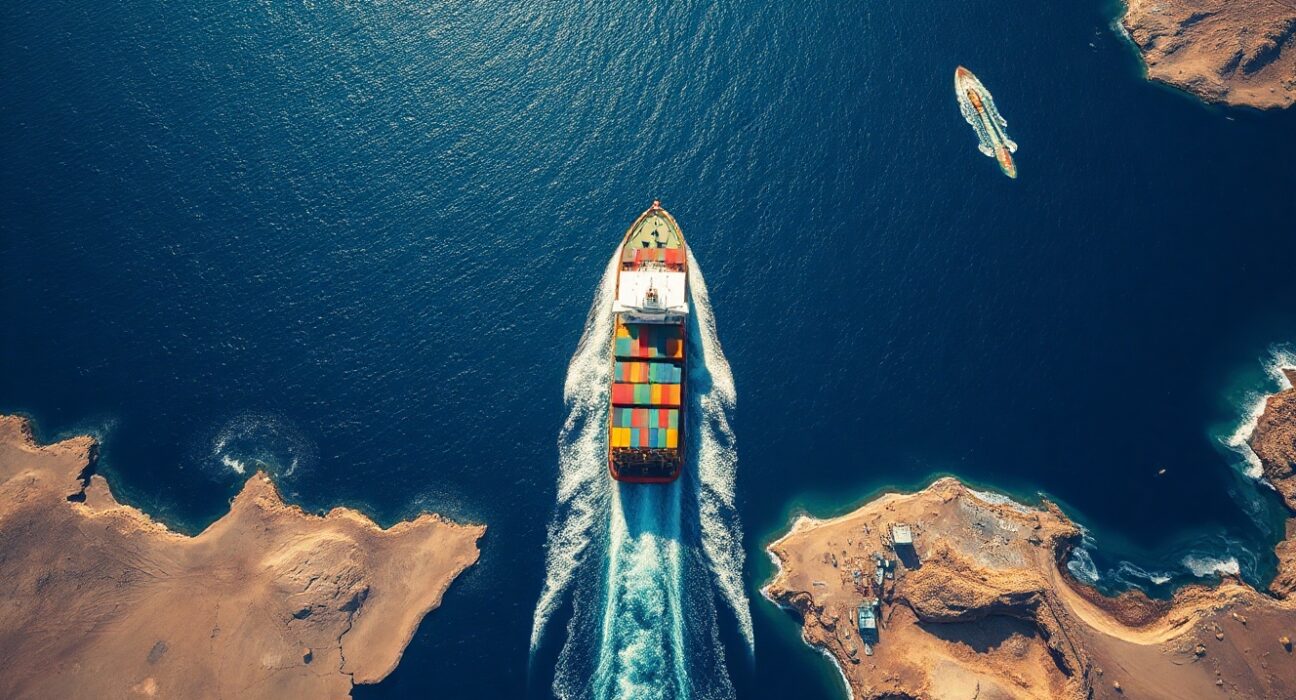
The Strait of Hormuz, located between Oman and Iran, sees about 20% of the world’s oil pass through its waters daily. Any disruption there has immediate effects on global energy prices and supply chains. Iran has previously threatened to close the strait in response to sanctions or military threats, though it has not acted on those threats in recent years.
Why This Matters Now
The lack of talks on Hormuz is significant because the United States has been leading diplomatic efforts to de-escalate tensions in the Persian Gulf. In 2023, Washington and Tehran engaged in indirect negotiations that resulted in a prisoner swap and the unfreezing of Iranian assets. Since then, no formal channel on maritime security has been established.
Baghaei’s remarks also signal that Iran is not currently willing to discuss its military posture near the strait, which includes fast-attack boats and anti-ship missiles. The U.S. Navy’s Fifth Fleet, based in Bahrain, conducts regular patrols in the area to ensure freedom of navigation.
Regional and Global Implications
For global markets, the absence of talks means the risk of a confrontation remains. Insurance rates for tankers transiting the strait have fluctuated in recent years, reflecting ongoing concerns. Energy analysts note that any incident, even accidental, could spike oil prices.
For Iran, the stance aligns with its broader policy of not engaging with the U.S. while sanctions remain in place. Tehran has repeatedly said that negotiations must include the lifting of sanctions and guarantees that the U.S. will not renege on commitments, as it did in 2018 when Washington withdrew from the nuclear deal.
Conclusion
Iran’s confirmation that no talks are underway on Hormuz underscores the fragile state of diplomacy in the region. While both sides have shown willingness to engage on specific issues, a broader dialogue on maritime security remains elusive. The situation calls for continued monitoring, as any miscalculation could have far-reaching consequences for global energy markets and regional stability.
FAQs
Q1: What is the Strait of Hormuz and why is it important?
The Strait of Hormuz is a narrow waterway between Iran and Oman, connecting the Persian Gulf with the Gulf of Oman. It is the world’s most important oil transit chokepoint, with about 20 million barrels of oil passing through daily.
Q2: Has Iran ever blocked the Strait of Hormuz?
Iran has threatened to close the strait in response to sanctions or military threats, but it has not implemented a full blockade. In the 1980s, during the Iran-Iraq War, there were attacks on shipping, but the strait remained open.
Q3: Are there any ongoing negotiations between Iran and the U.S. on other issues?
As of early 2025, there are no active negotiations on nuclear or regional issues. The last significant talks were in 2023, which led to a prisoner exchange and the release of $6 billion in Iranian funds held in South Korea. Those talks have not resumed.
Disclaimer: The information provided is not trading advice, Bitcoinworld.co.in holds no liability for any investments made based on the information provided on this page. We strongly recommend independent research and/or consultation with a qualified professional before making any investment decisions.
