

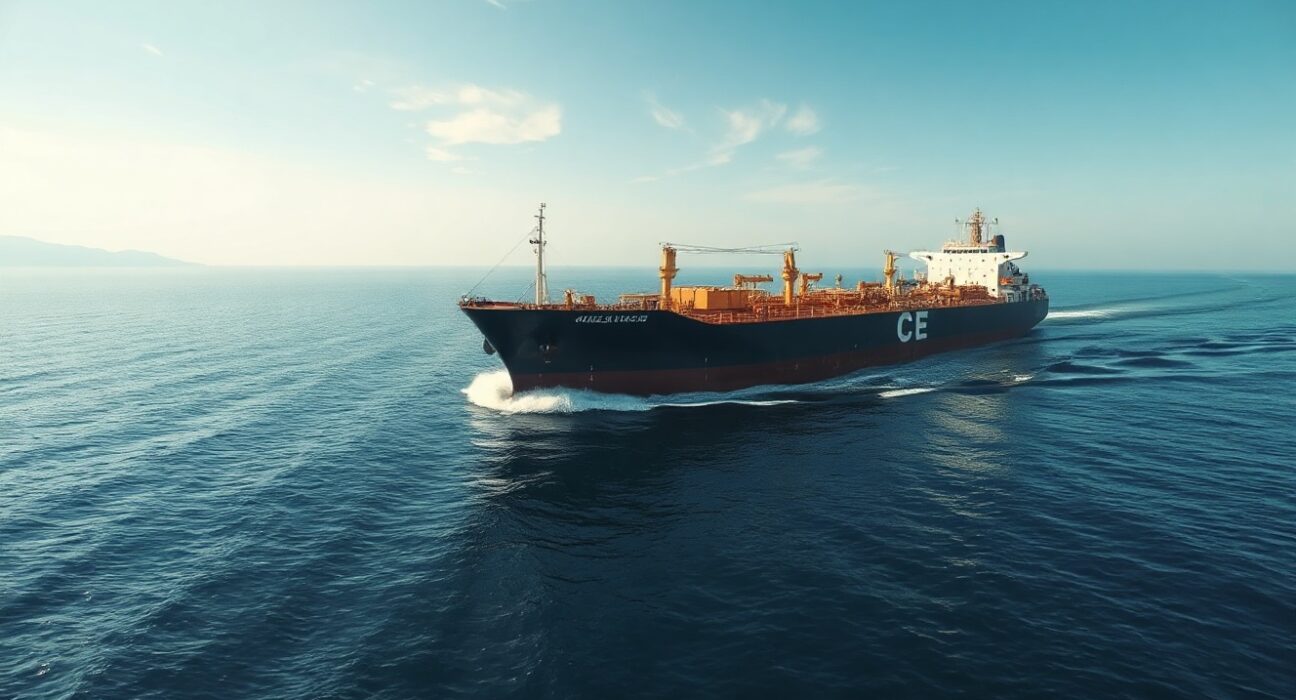
Red Sea shipping disruptions are fundamentally reshaping global oil flows, according to a recent analysis by Societe Generale, as tankers reroute around the Cape of Good Hope, altering trade patterns and raising costs.
How Red Sea disruptions are altering oil trade routes
The attacks on commercial vessels in the Red Sea have forced many oil tankers to avoid the Suez Canal, the fastest route between the Indian Ocean and the Mediterranean. Instead, they are taking the longer journey around Africa’s southern tip, adding weeks to transit times and increasing fuel consumption and insurance costs.
Societe Generale’s research highlights that this rerouting is not just a temporary logistical hurdle but a structural shift in how oil is transported globally. The Red Sea normally handles about 10% of global seaborne oil trade, and its disruption has led to a reconfiguration of supply chains, with more cargo flowing via the Cape of Good Hope and alternative pipelines.
Implications for oil prices and supply chains
The longer routes have tightened tanker availability, pushing up freight rates and contributing to volatility in oil prices. While the immediate impact on crude prices has been moderate, the sustained nature of the disruptions could lead to higher costs for consumers and businesses if they persist.
Energy analysts note that the shift also affects the types of crude being traded, as European buyers may increasingly look to the Atlantic Basin, while Asian importers might rely more on Middle Eastern and Russian supplies via other routes. This rebalancing has implications for regional pricing benchmarks and energy security.
Why this matters for global energy markets
The Red Sea crisis underscores the fragility of global energy supply chains. For investors, companies, and policymakers, understanding these flow changes is crucial for assessing risk and planning for potential disruptions. The situation also highlights the importance of alternative routes and the strategic role of pipelines in mitigating supply shocks.
Conclusion
As of late 2024, the Red Sea disruptions are not merely a temporary issue but a catalyst for lasting changes in global oil logistics. Societe Generale’s analysis provides a clear picture of how these shifts are unfolding, offering valuable insights for market participants navigating an increasingly complex energy landscape.
FAQs
Q1: What is the Red Sea disruption?
Attacks on commercial vessels in the Red Sea have led many shipping companies, including oil tankers, to avoid the Suez Canal and reroute via the Cape of Good Hope, causing delays and higher costs.
Q2: How does this affect oil prices?
The rerouting increases shipping times and costs, tightening tanker supply and adding to oil price volatility. The impact on crude prices has been moderate so far, but sustained disruptions could push costs higher.
Q3: What are the long-term implications?
The disruptions are reshaping global oil trade patterns, potentially leading to a more fragmented market with regional pricing differences and a greater reliance on alternative routes and pipelines.
Disclaimer: The information provided is not trading advice, Bitcoinworld.co.in holds no liability for any investments made based on the information provided on this page. We strongly recommend independent research and/or consultation with a qualified professional before making any investment decisions.
