

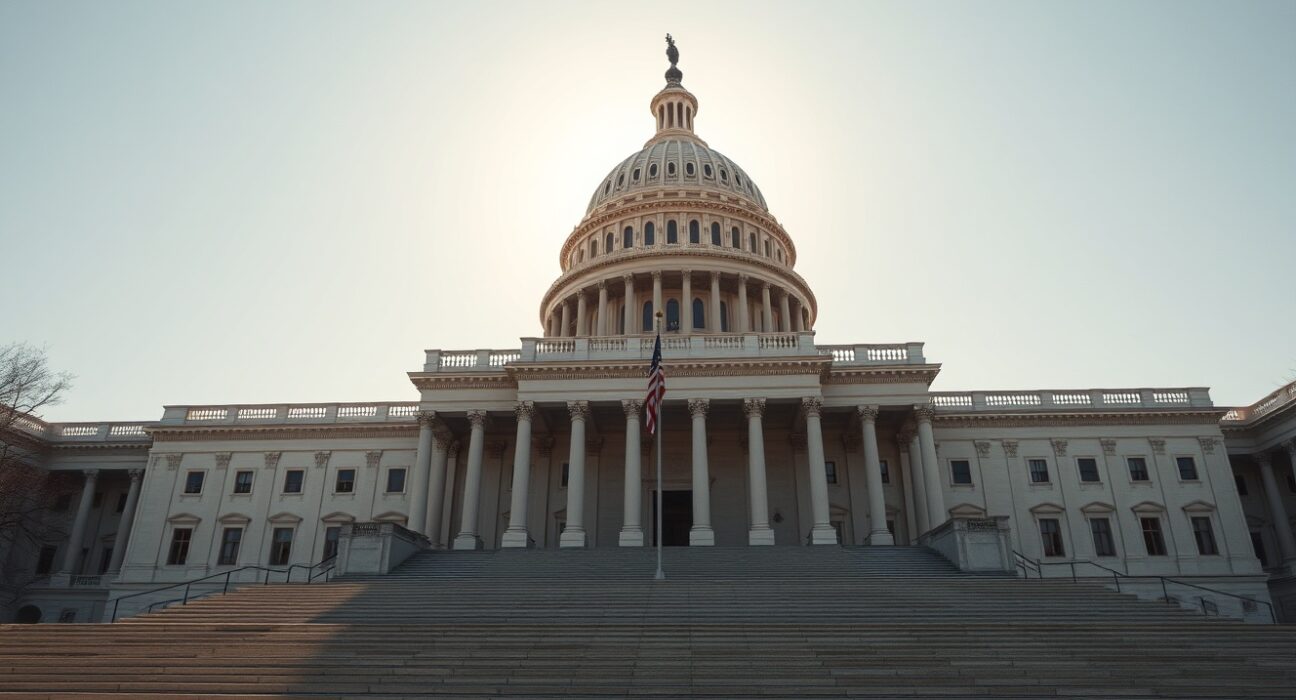
The U.S. House of Representatives has passed legislation that would prohibit the Federal Reserve from issuing a central bank digital currency (CBDC) until 2030, following similar action taken earlier by the Senate. The bill now heads to the president’s desk for final approval.
Legislative Momentum Against a Digital Dollar
The bill, which passed with bipartisan support in the House, represents the most significant federal action to date aimed at blocking the development of a U.S. CBDC. Proponents argue that a digital dollar could threaten financial privacy, expand government surveillance, and destabilize the banking system. Critics of the legislation, however, warn that it could leave the United States behind as other major economies, including China and the European Union, advance their own digital currency projects.
What the Bill Does and Does Not Do
The legislation specifically bars the Federal Reserve from issuing any CBDC directly to individuals or through financial intermediaries until January 1, 2030. It does not prevent the Fed from researching or testing digital currency technology in controlled environments. The bill also does not affect existing private-sector stablecoins or other cryptocurrencies, which remain under separate regulatory frameworks.
Political and Industry Reactions
Supporters, including several Republican lawmakers and privacy advocacy groups, hailed the vote as a win for individual liberty and financial autonomy. “This bill ensures that Americans’ financial transactions remain private and free from government oversight,” said one sponsor. Meanwhile, digital asset industry groups expressed cautious support, noting that the ban provides regulatory clarity while allowing time for more deliberate policymaking.
Opponents, including some Democratic lawmakers and central bank digital currency advocates, argued that the moratorium could stifle innovation and weaken the dollar’s global reserve status. The Federal Reserve has not taken a formal position on the bill but has previously stated that it would not issue a CBDC without explicit congressional authorization.
Implications for the U.S. Financial System
If signed into law, the CBDC ban would effectively pause one of the most debated monetary policy initiatives in decades. The United States currently has no timeline for a digital dollar, unlike China’s digital yuan, which is already in widespread pilot testing, or the European Central Bank’s digital euro project, which is in its preparation phase. The moratorium could also influence how other nations approach CBDC development, particularly those watching U.S. regulatory trends.
Conclusion
The House vote marks a decisive moment in the ongoing debate over the future of money in the United States. While the bill’s path to enactment is not guaranteed, its passage reflects deep-seated concerns about privacy, government power, and the role of central banks in the digital age. For now, the digital dollar remains on hold — at least until the next decade.
FAQs
Q1: What is a CBDC?
A central bank digital currency (CBDC) is a digital form of a country’s fiat currency, issued and regulated by the central bank. Unlike cryptocurrencies, a CBDC is legal tender and backed by the full faith of the government.
Q2: Why does the bill ban CBDC issuance until 2030?
Lawmakers cited concerns over financial privacy, potential government surveillance, and the risk of disintermediating commercial banks. The moratorium is intended to allow for more thorough study and public debate before any potential rollout.
Q3: Does this bill affect Bitcoin or other cryptocurrencies?
No. The bill specifically targets CBDCs issued by the Federal Reserve. Private cryptocurrencies, stablecoins, and other digital assets are regulated under separate existing laws and are not impacted by this legislation.
Frequently Asked Questions
What exactly does this bill do?
It prohibits the Federal Reserve from issuing a central bank digital currency (CBDC) to individuals or through financial intermediaries until January 1, 2030.
Does this bill ban all digital currencies in the U.S.?
No, it does not affect private-sector stablecoins, other cryptocurrencies, or the Fed’s ability to research digital currency technology in controlled environments.
Why do supporters want to block a CBDC until 2030?
They argue a digital dollar could threaten financial privacy, expand government surveillance, and destabilize the banking system.
What are the main arguments against this moratorium?
Critics warn it could stifle innovation and weaken the U.S. dollar’s global reserve status while other economies like China and the EU advance their own digital currencies.
Has the bill become law yet?
Not yet; it passed the House and Senate and now heads to the president’s desk for final approval.
Disclaimer: The information provided is not trading advice, Bitcoinworld.co.in holds no liability for any investments made based on the information provided on this page. We strongly recommend independent research and/or consultation with a qualified professional before making any investment decisions.
